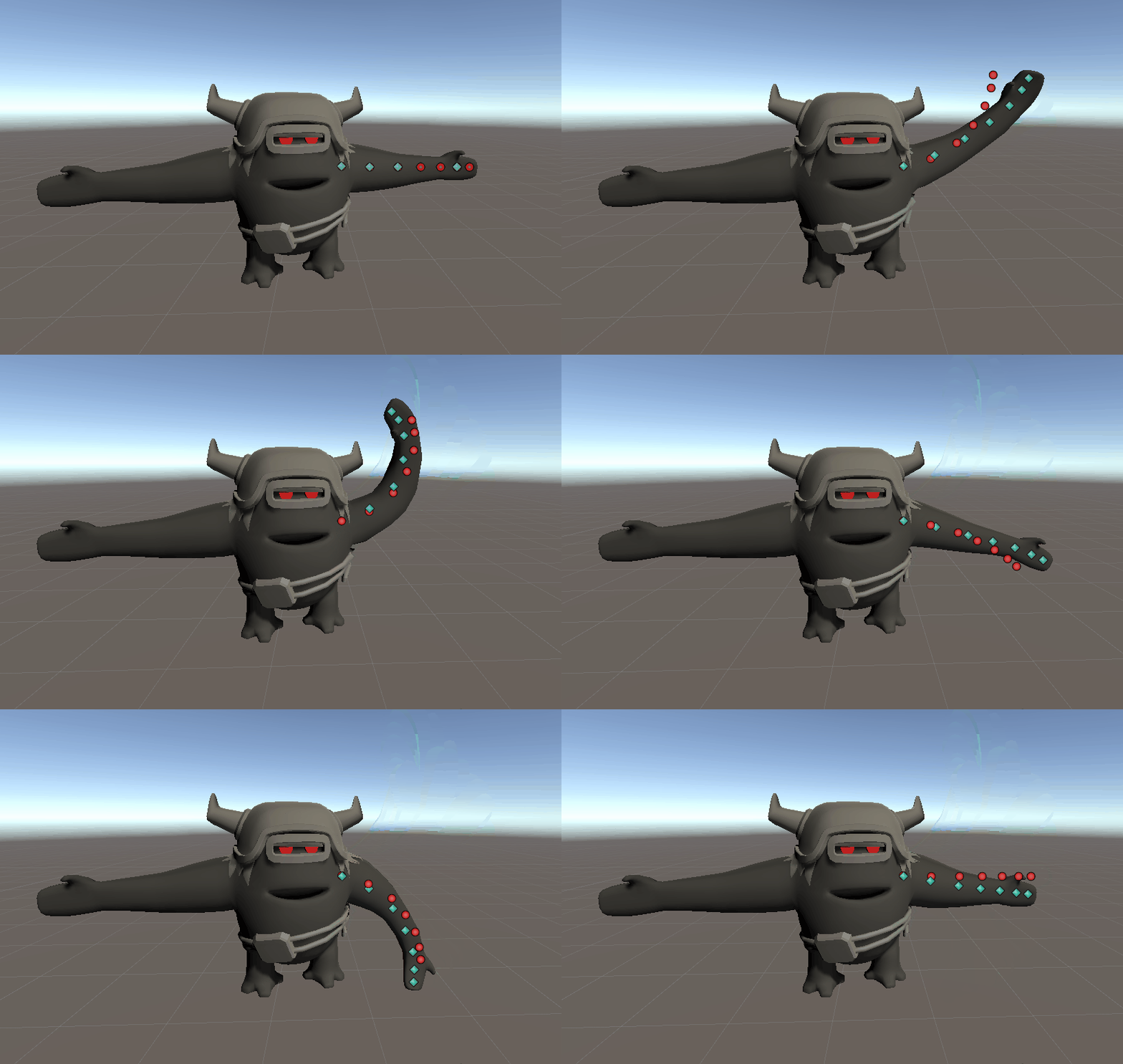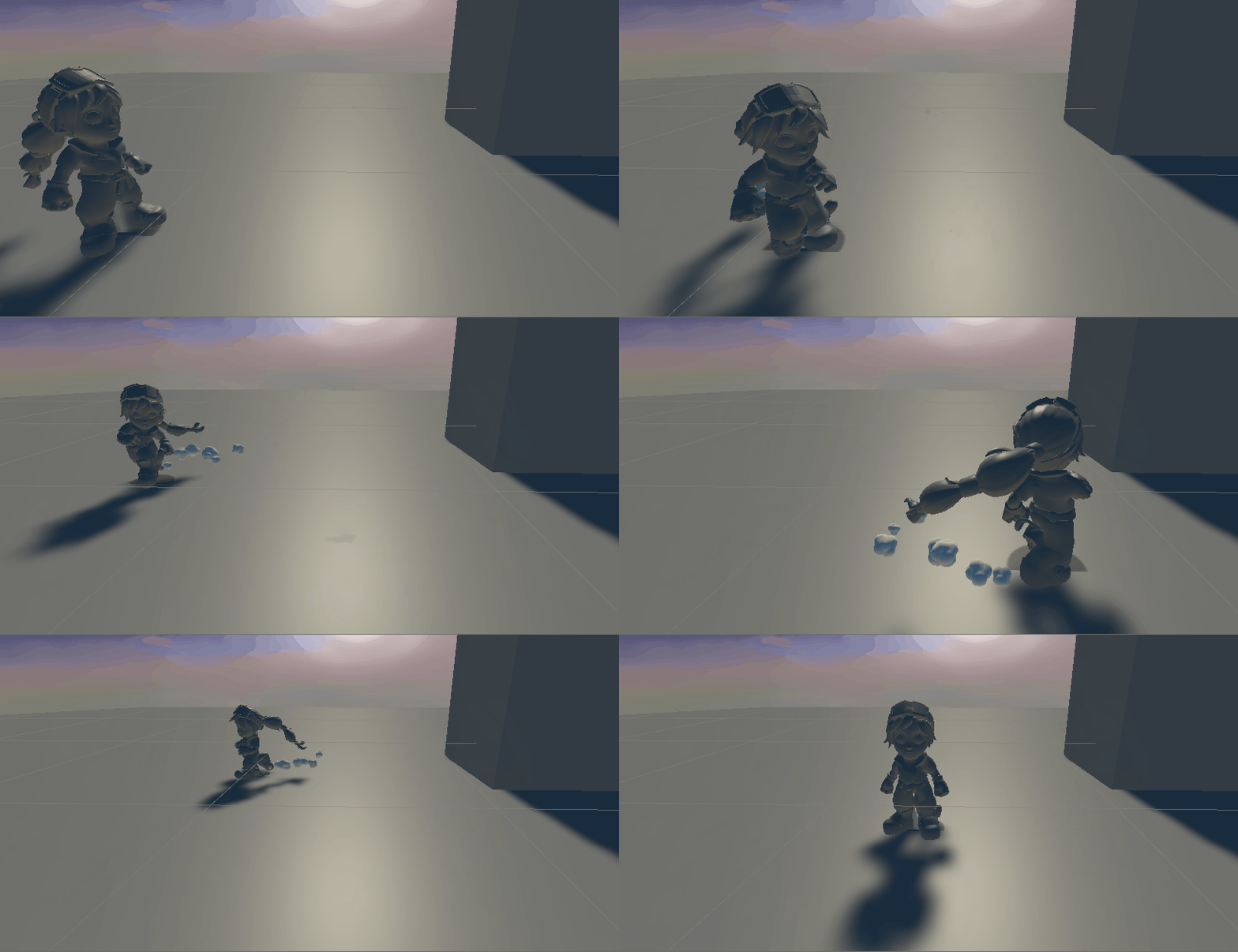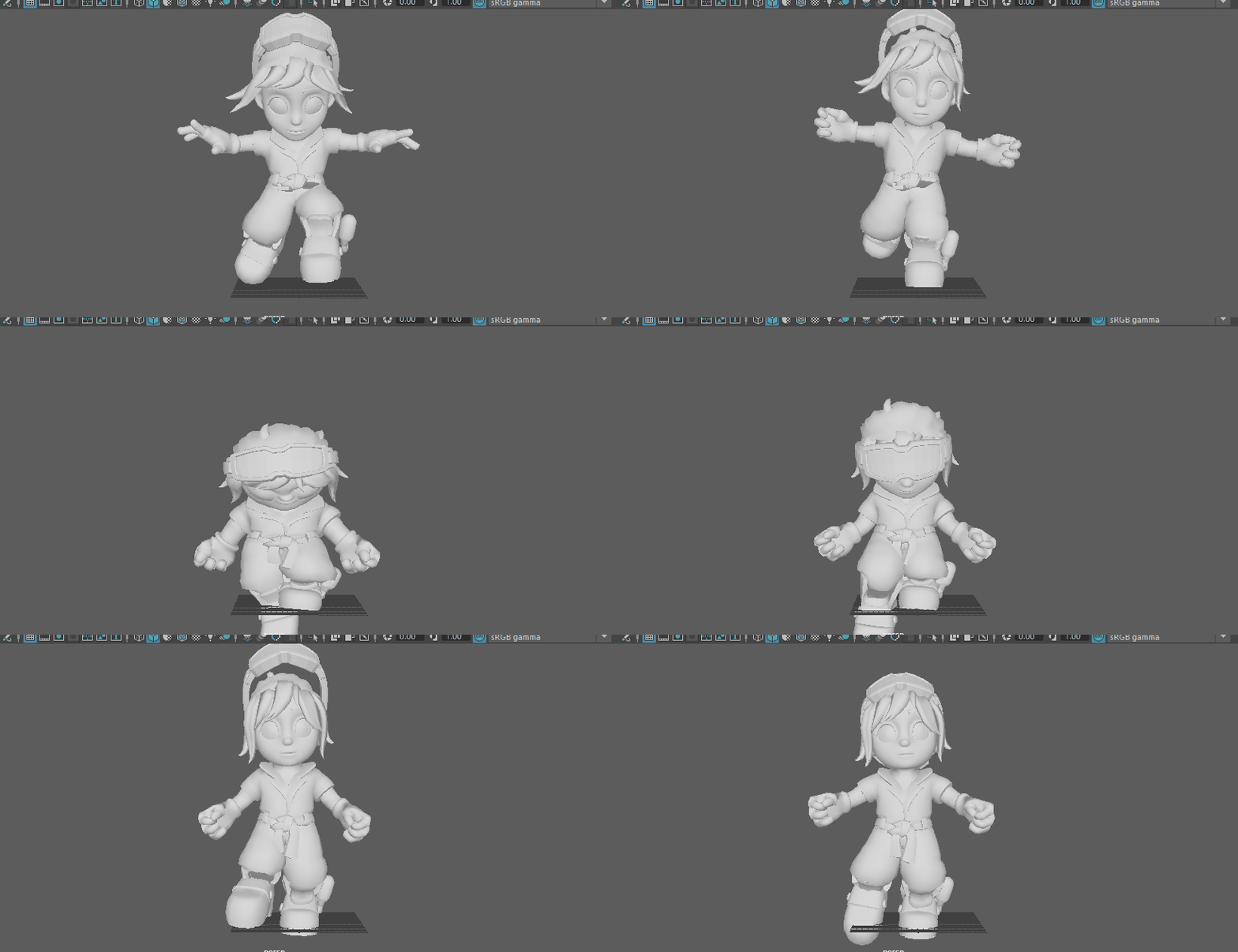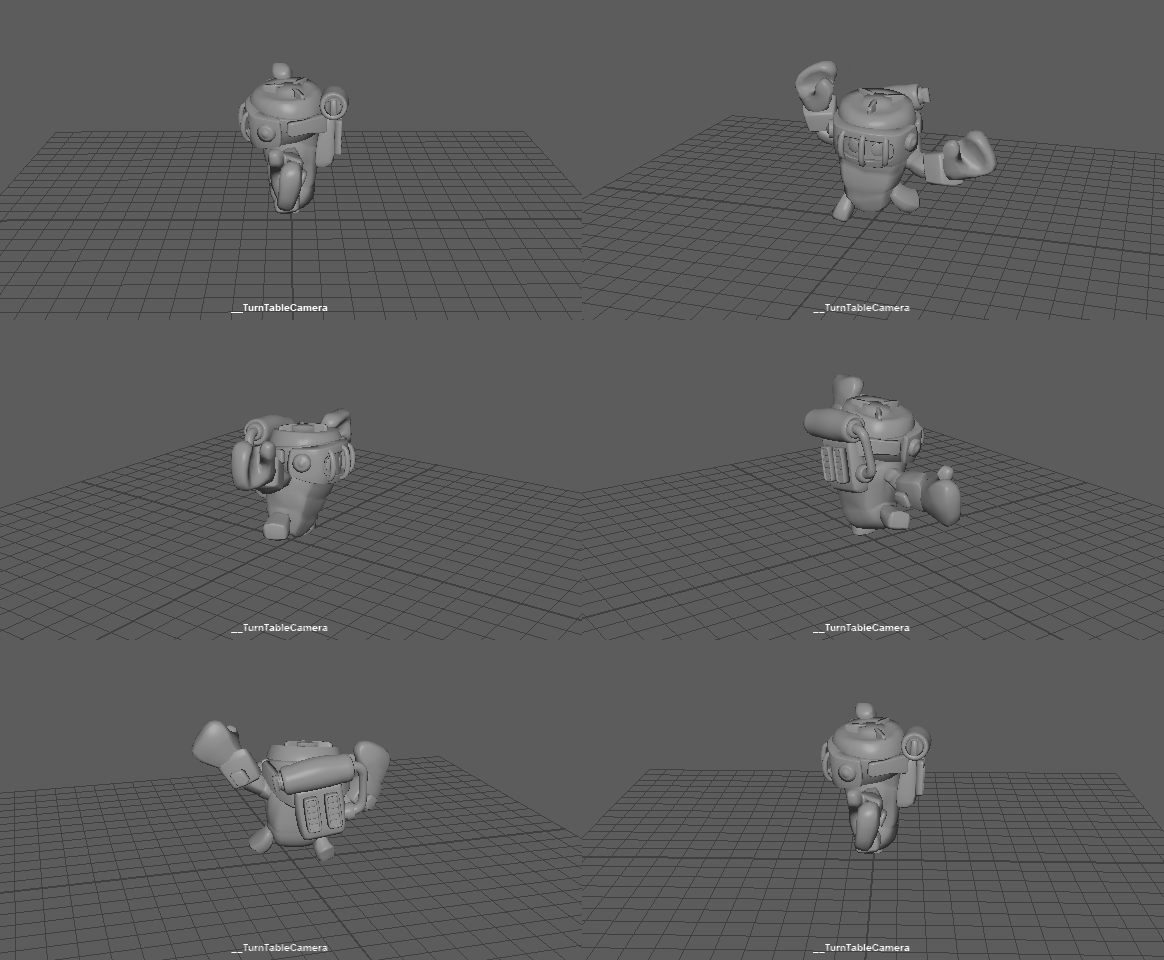
Projects — Senior Technical Artist, Lead Technical Artist, and Technical Director

Ian Woskey — Senior Technical Artist
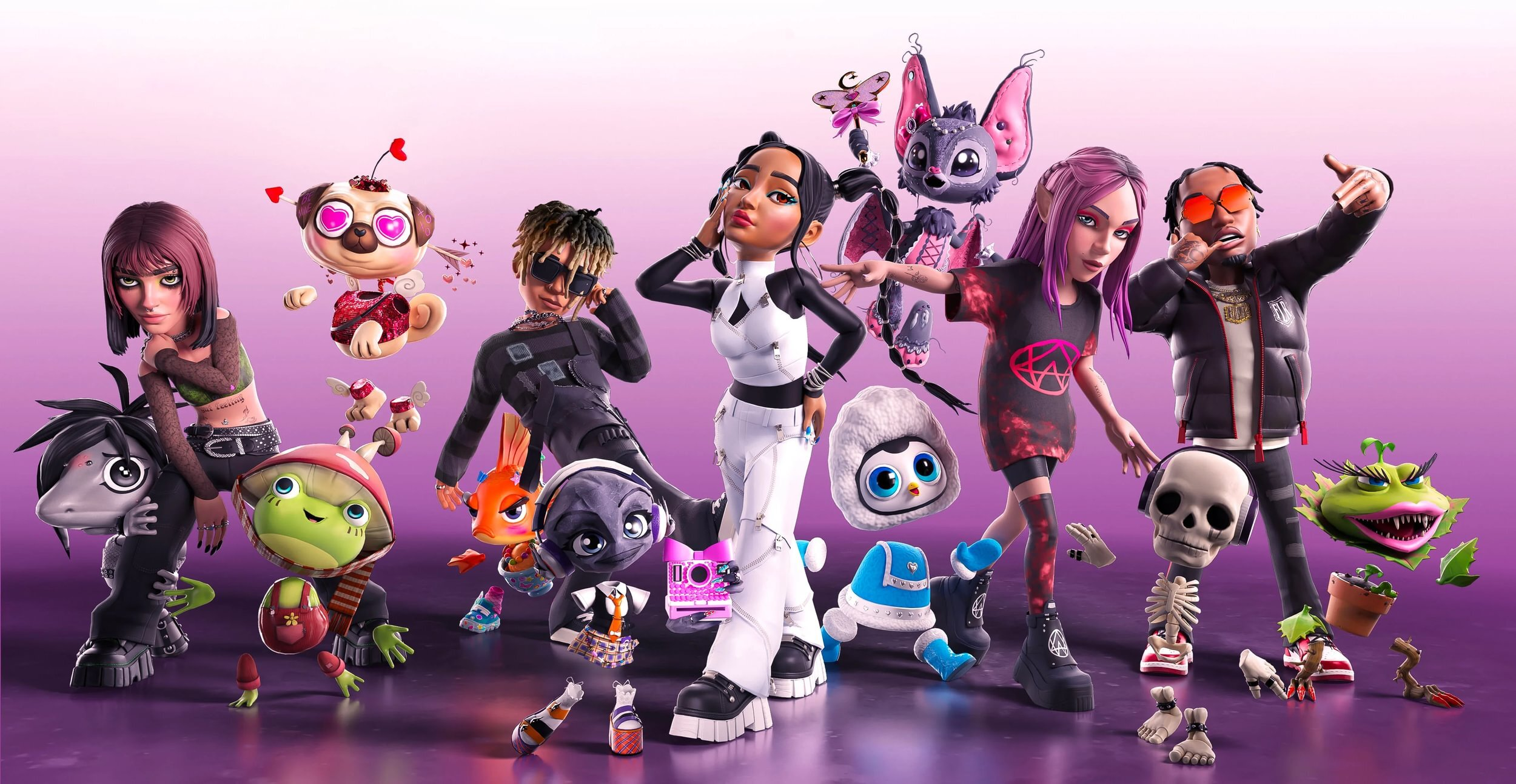
Genies — Senior Technical Artist, AI facial auto-rigger and character pipelines

Genies

Senior Technical Artist - Genies - 2021-2026

Overview

I started at Genies in 2021 as the second person in an Avatar Tech R&D department of two. We grew into a small, scrappy team ready to take on any challenge. My years at Genies were deeply academic; constantly pushing my limits and learning new things.

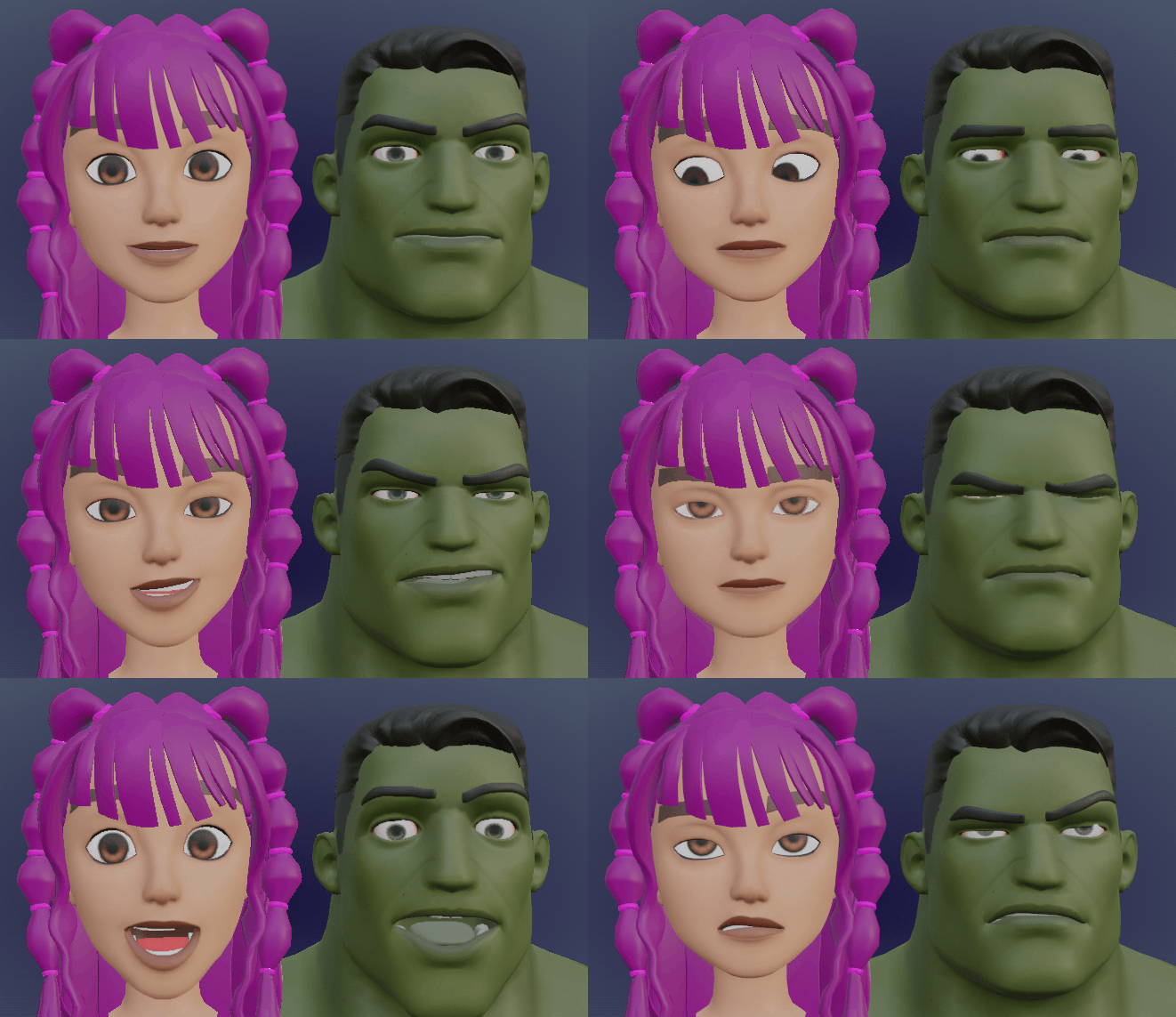
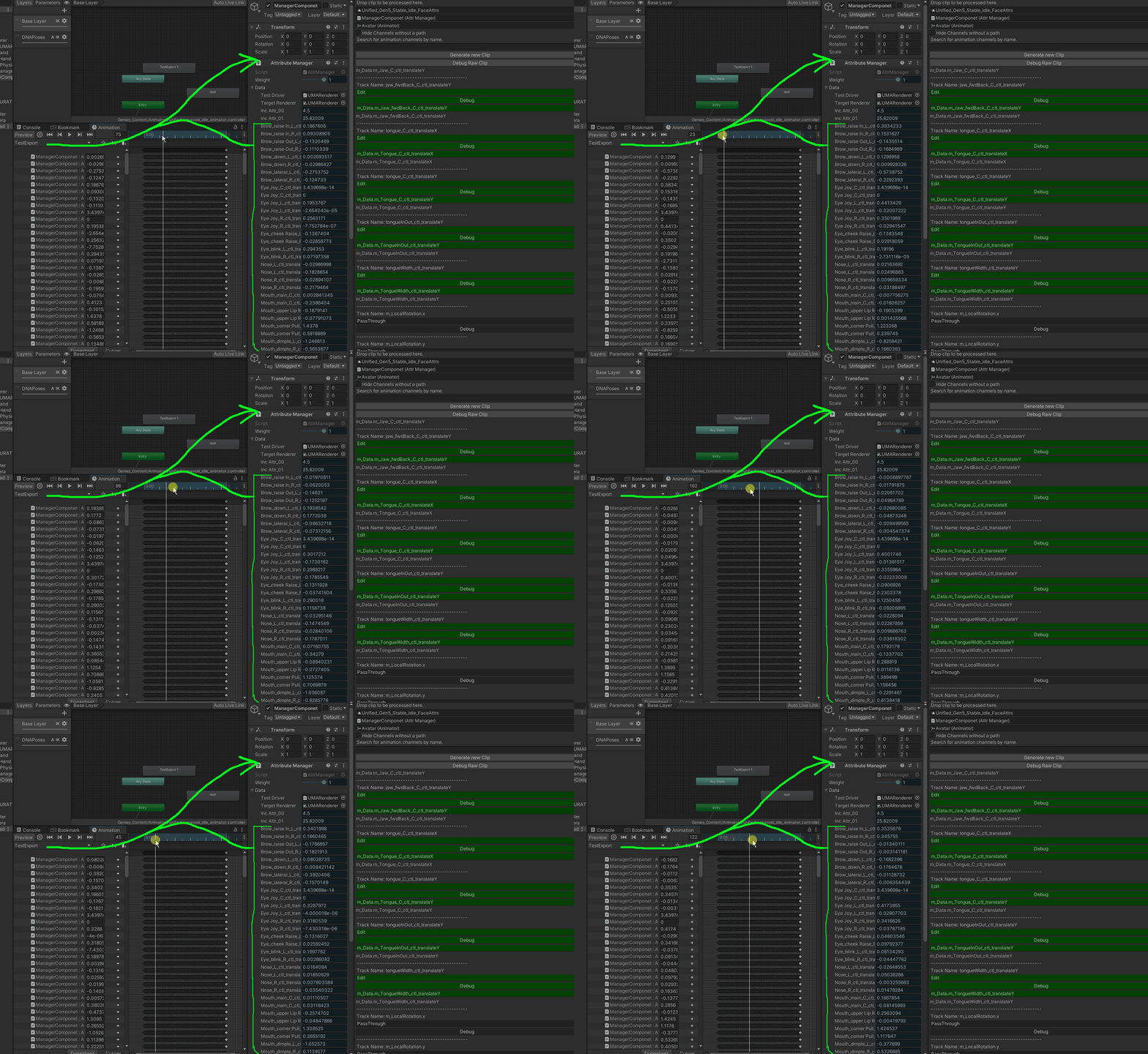
Much of my work over the last three years grew from a simple idea: can we take facial animation channels and retarget them as needed? Can brow and mouth animations drive standardized expression channels on animal ears? Can we retarget eye channels to multiple eyes?

This question launched my work at Genies in two directions: generative character rigging, and generative animation via LLM tagging. On the rigging side, I went from defining our face-rigging pipelines to building an AI-driven facial auto-rigger, and eventually owned synthetic character data generation, powering both the auto-rigger and generative character mesh creation. On the animation side, I went from evangelizing the utility of simple, category-based animation channels to building Unity animation systems designed to catch LLM tags and drive procedural animation.

Generative Characters

Face Rig Pipeline

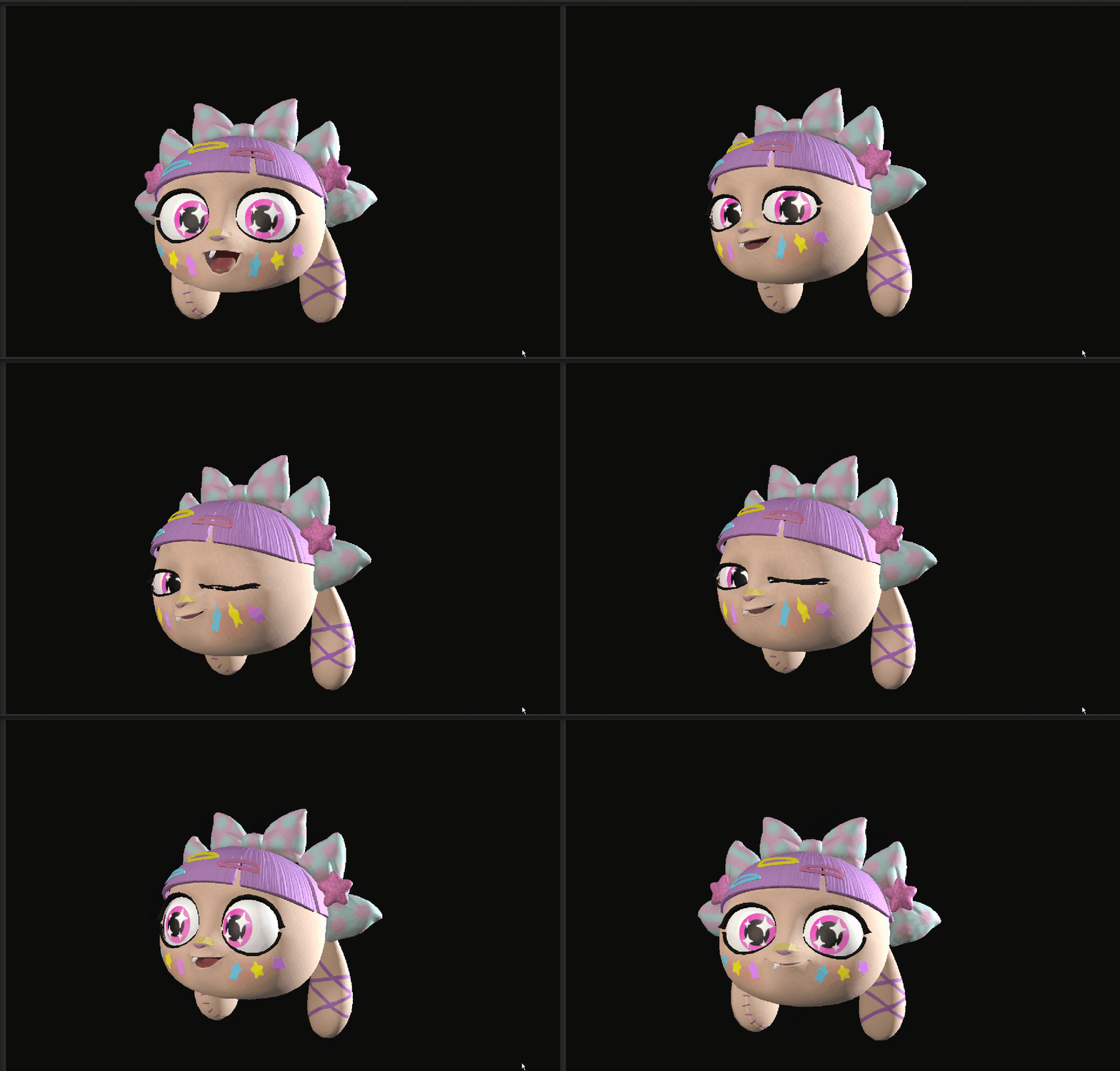
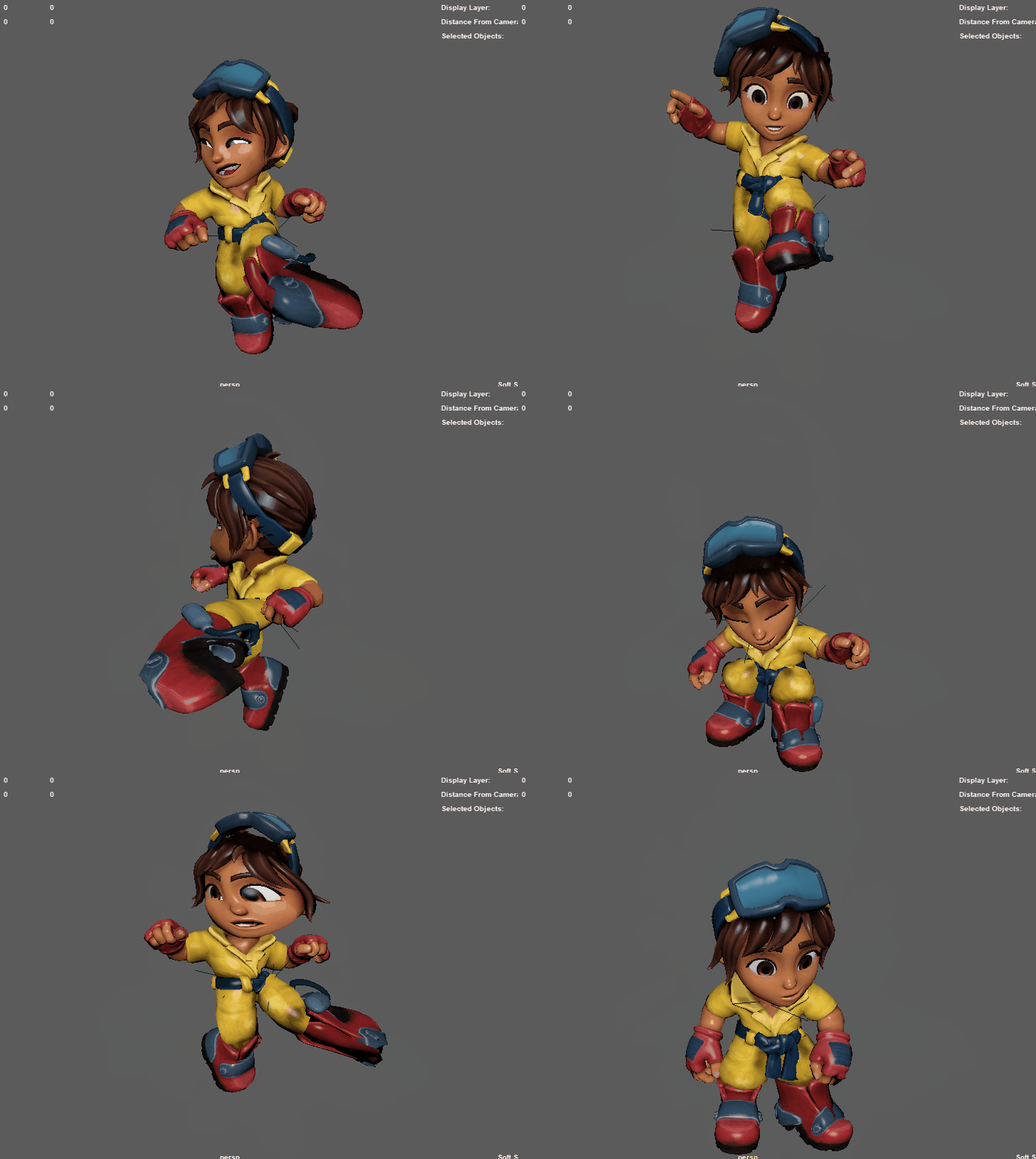
After building a system in Unity that let us parse out facial animation channels as described above, I launched a campaign to expand the team's capacity to rig non-standard faces for ARKit. I adopted Face-It, mastered it, then trained our artists to use it — greatly improving the pace of "Doll" character production (short, cartoony-themed characters).
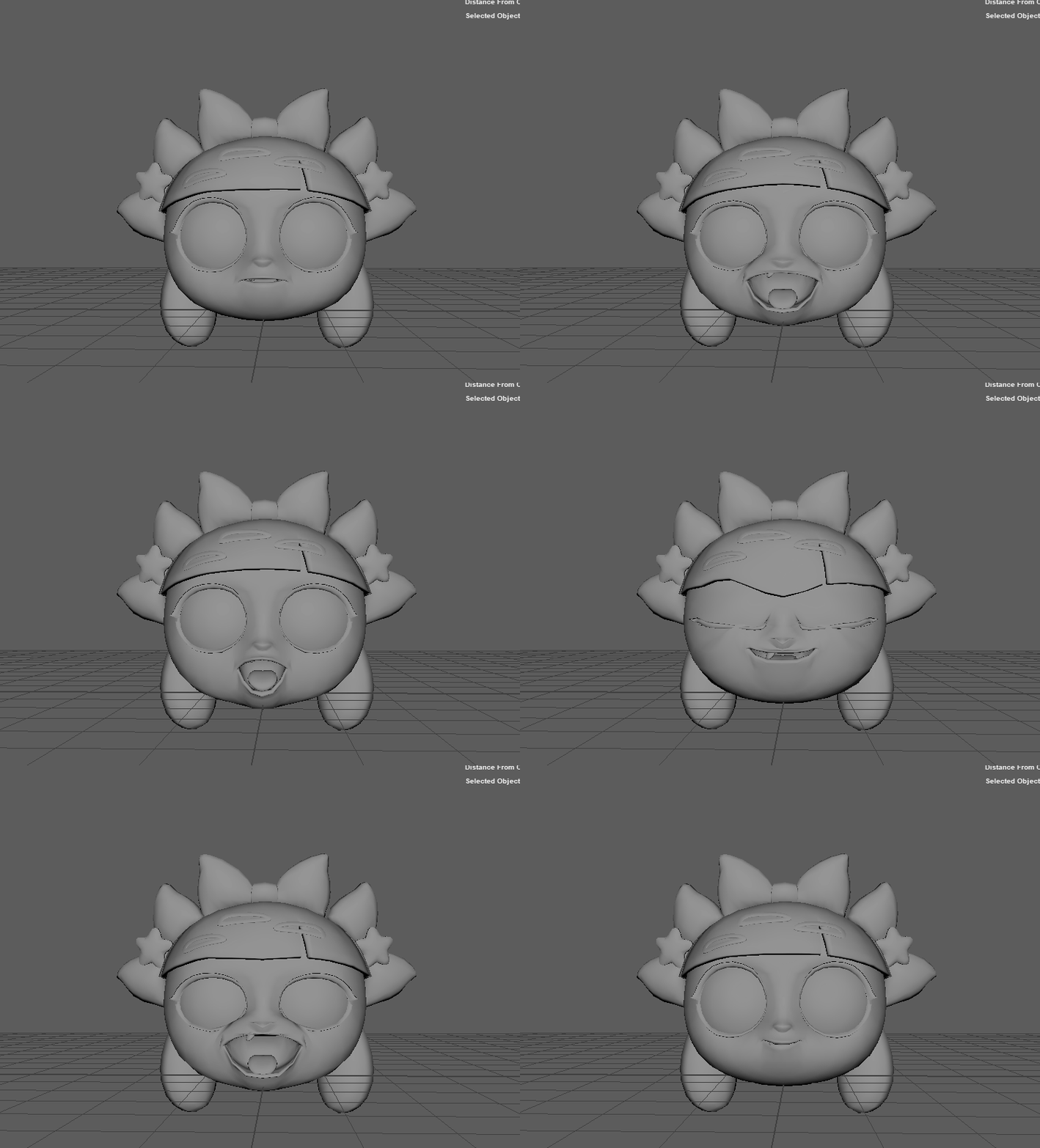
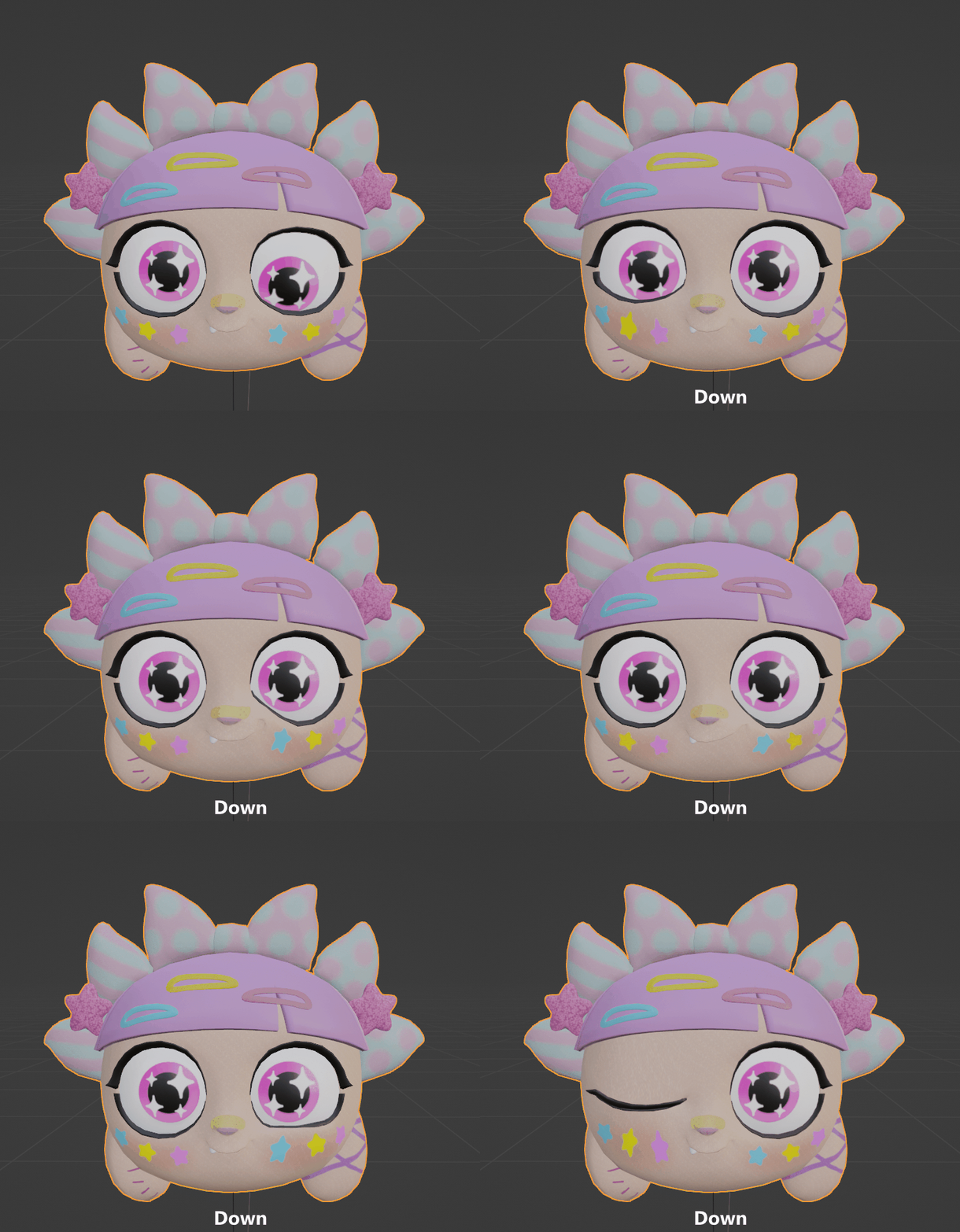
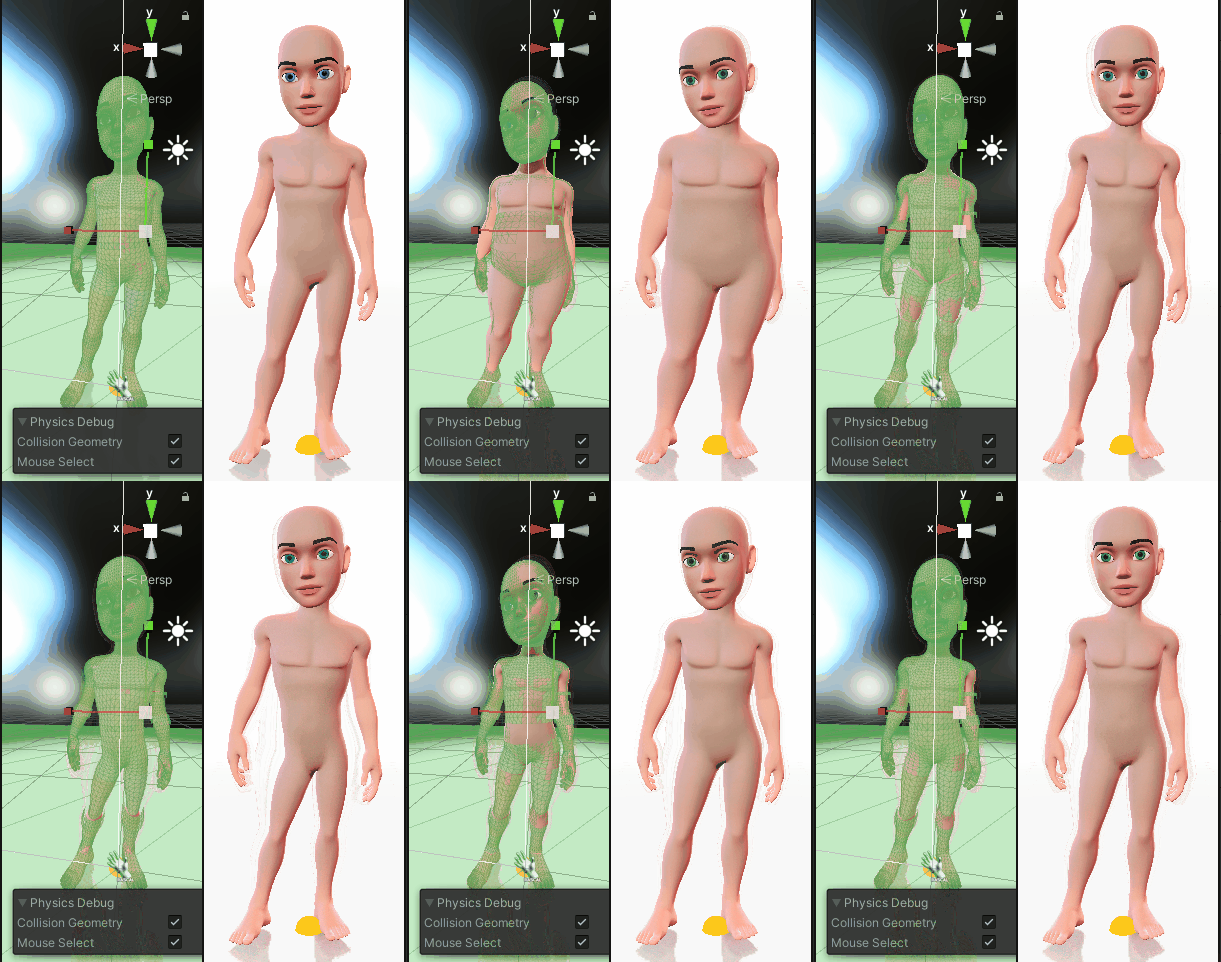
AI Facial Auto-Rigger
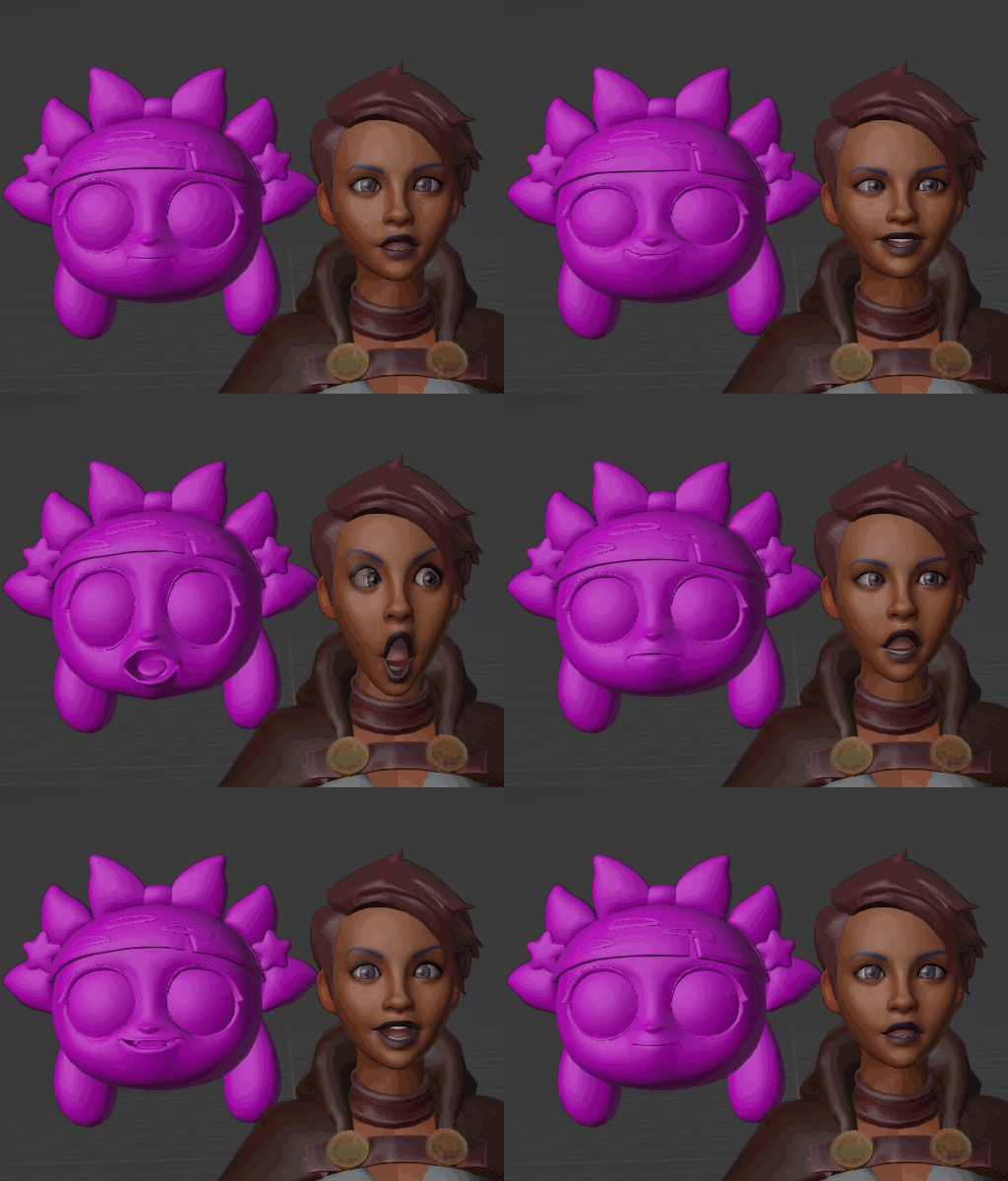
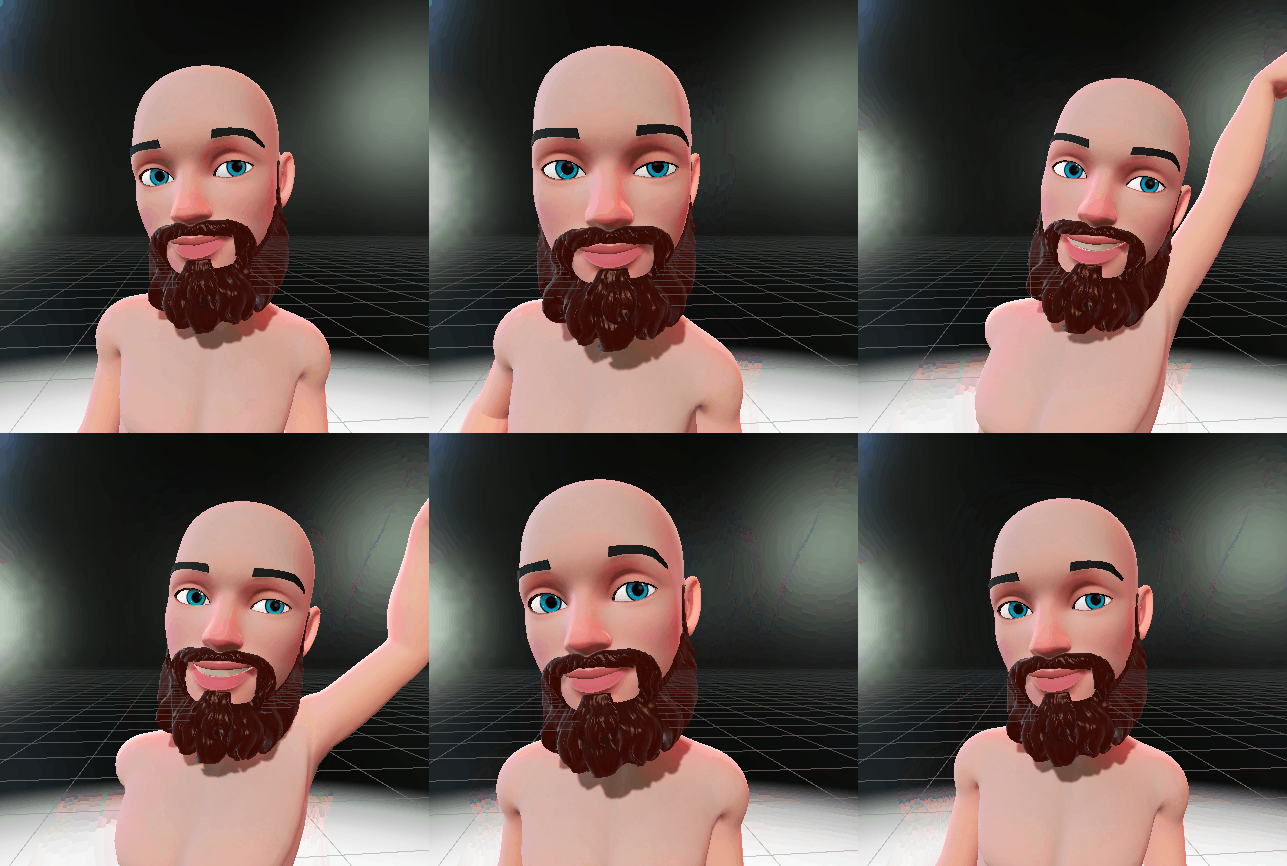
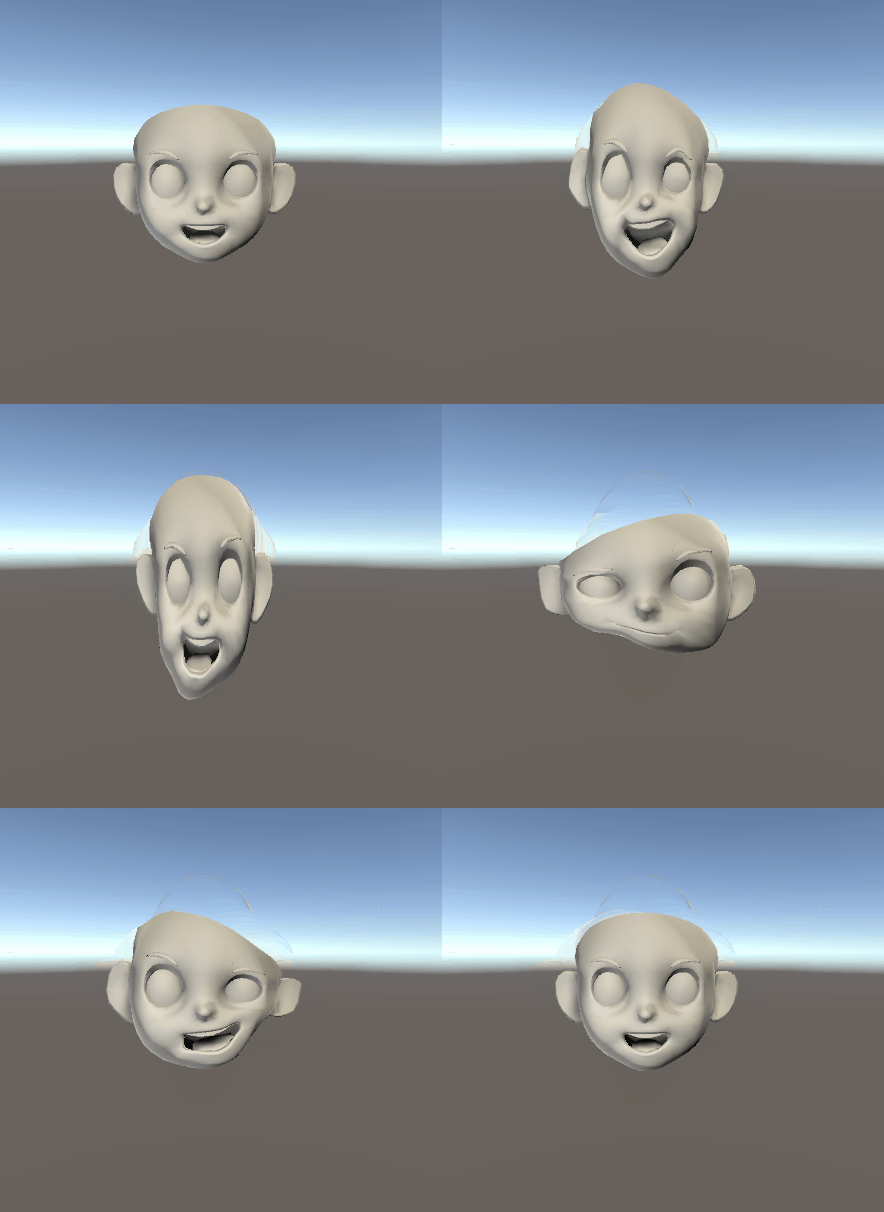
AI facial auto-rigger result

In 2023, generative AI was becoming more than a buzzword. As our ML team expanded, I began building an AI-driven facial auto-rigger around a simple prompt: given OpenCV-style landmarks projected onto a 3D character face, could that face be procedurally rigged to 80–90% fidelity? Fidelity here didn't mean speeding up an artist's work — it meant production-ready blendshape rigs that performed perfectly with zero white-glove tweaks.

The theory was simple: wrap an existing ARKit face topology to the novel head using the landmark data, scale the deltas to fit the new proportions, transfer the blendshapes, done. In practice, that wrap-and-transfer approach only got us to about 60% fidelity — most facial features needed real development to get right, largely through masking systems that prevented feature bleed by correctly splitting and isolating the eyes, lids, lips, brows, teeth, tongue, eyelashes, and any other separate mesh on the face.
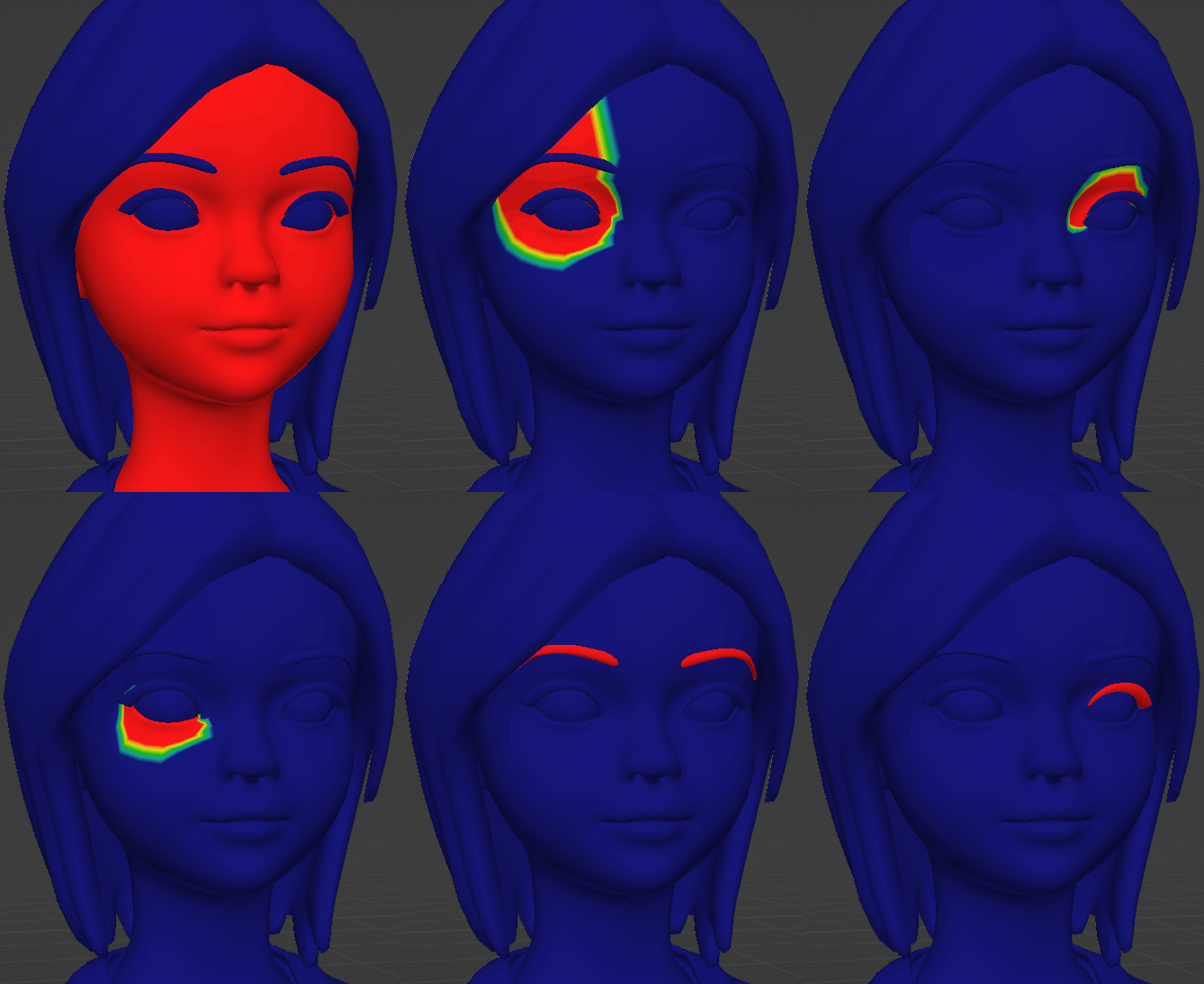
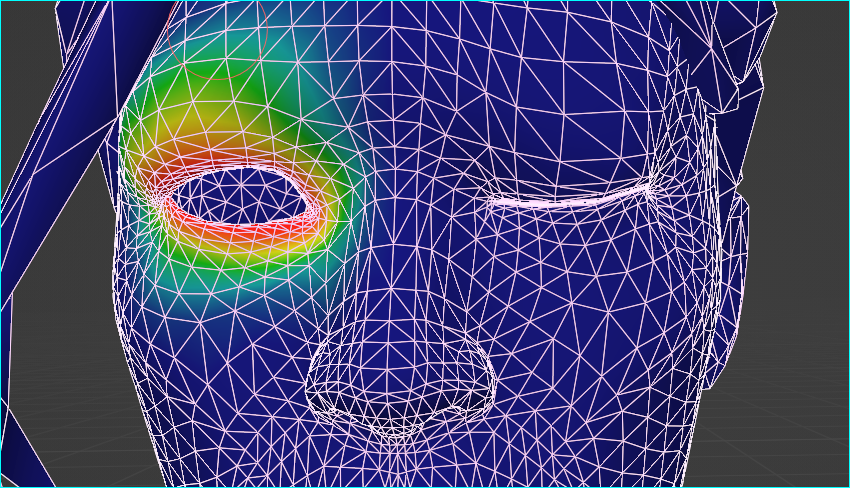
Splitting upper and lower lips made opening a mouth fairly easy. Closing an eye convincingly, with no visible seam, was a much harder problem. After several iterations, I landed on a process that averaged landmark positions into a center line, curved that line to match natural eye proportions, skinned joints along the lids using those landmarks, rotated the lids together at the seam, and used the eyeball mesh itself to gently repel the lids and prevent interpenetration.
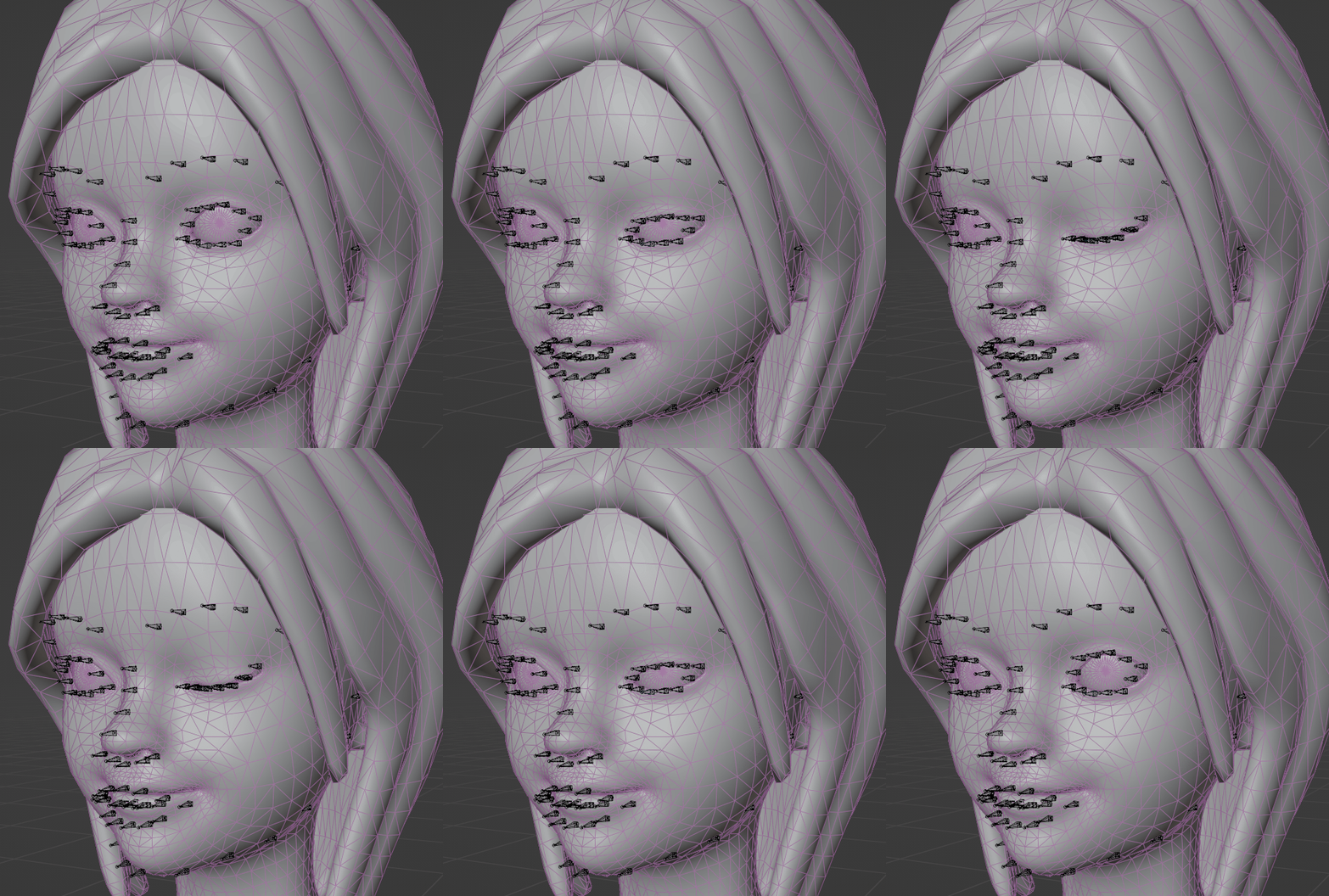
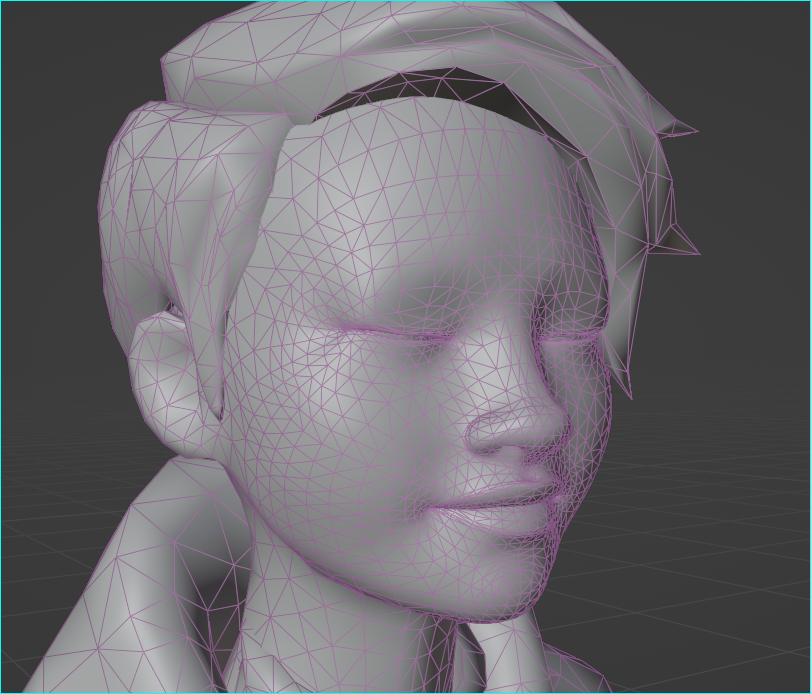
Landmark Dataset

An OpenCV-style facial landmark model drove the auto-rigger, with its points serving as the foundation for all downstream rigging. I worked closely with the head of ML to identify where that model needed to improve, and with no staff devoted to synthetic data, I built a local image-generation pipeline myself — bulk re-imagining a pool of head renders and turning my own feature requests directly into training data.
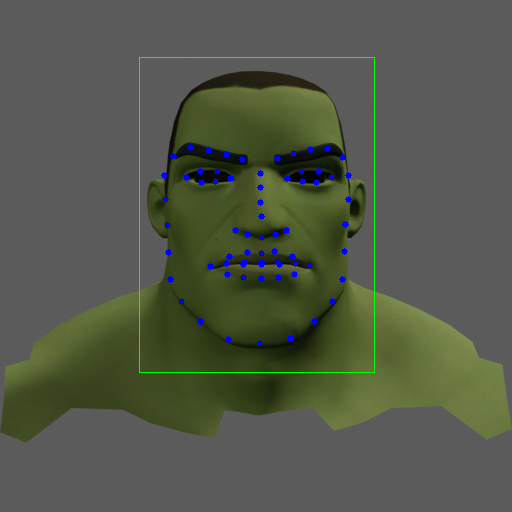
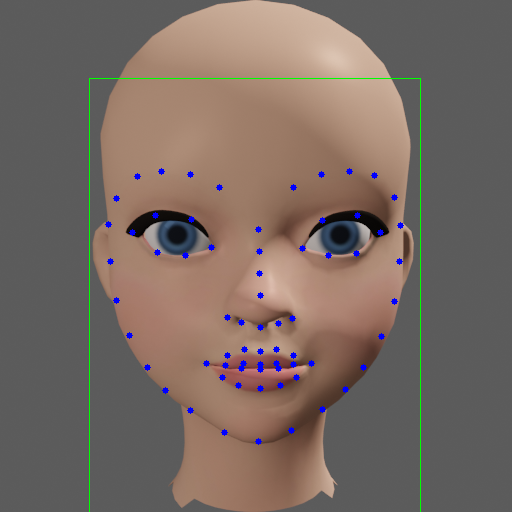
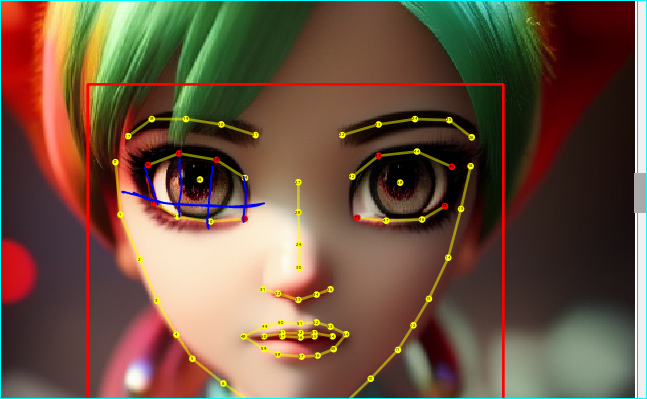
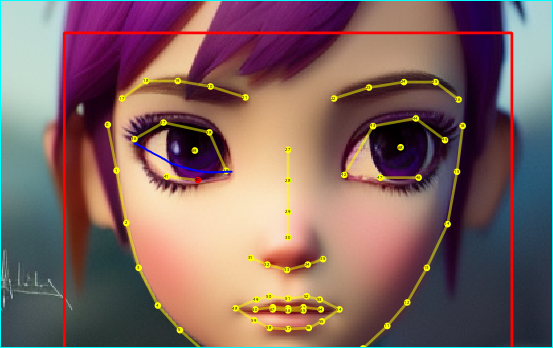
The clearest example came as our target cohort expanded toward cartoony faces with larger eyes, which demanded new eye landmarks. I designed a solution that split the eye corner into two landmarks: for humanoid faces, the two points simply overlapped, preserving backward compatibility, while for cartoony eyes they separated to give better surface coverage and higher-fidelity blink shapes. As a key benefit, the gap between those two landmarks became a simple, AI-determined boolean the auto-rigger could use to detect whether a given eye was realistic or cartoony. I then built the datasets to train the model on this new feature.
Synthetic Character Generation

From here, I owned synthetic character asset generation and led the Tech Art department's efforts to supply datasets for the ML team. I refactored and expanded our modular hair system, built a Houdini pipeline for our first wave of face-generation and segmentation datasets, and created a Blender facial variation tool that generated attractive head variants to improve our auto-gen character pipeline.

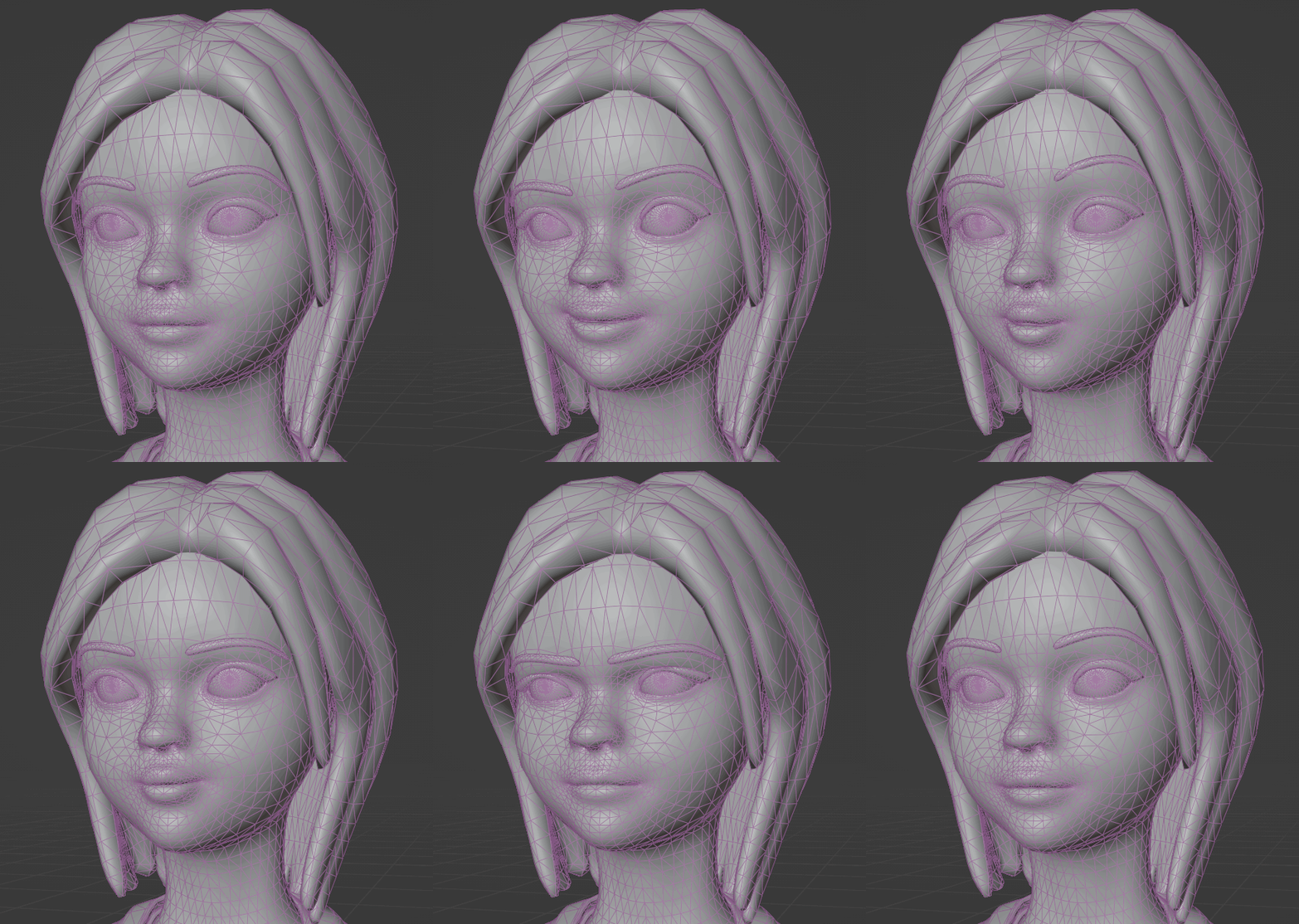
The variation tool was the standout piece. It took our base Genie head and, through a mix of blendshapes and facial deformation joints, generated variations directly on the timeline, with real-time texture projection and mesh updates so I could scrub and QC each result instantly.

A web GUI drove the system, letting me define variation points, generation targets, and procedural constraints, then save them as reusable profiles to sculpt output toward specific facial cohorts. A snapshot system let me export or load heads as JSON metadata, which served two purposes: bulk-exporting good and bad examples for an LLM to find correlations and recommend guardrails, and feeding standout heads into an "attraction system" that averaged nearby high-performing heads into a weighted delta, nudging new variations toward attractiveness automatically.
Generative Animations

Coming Soon!

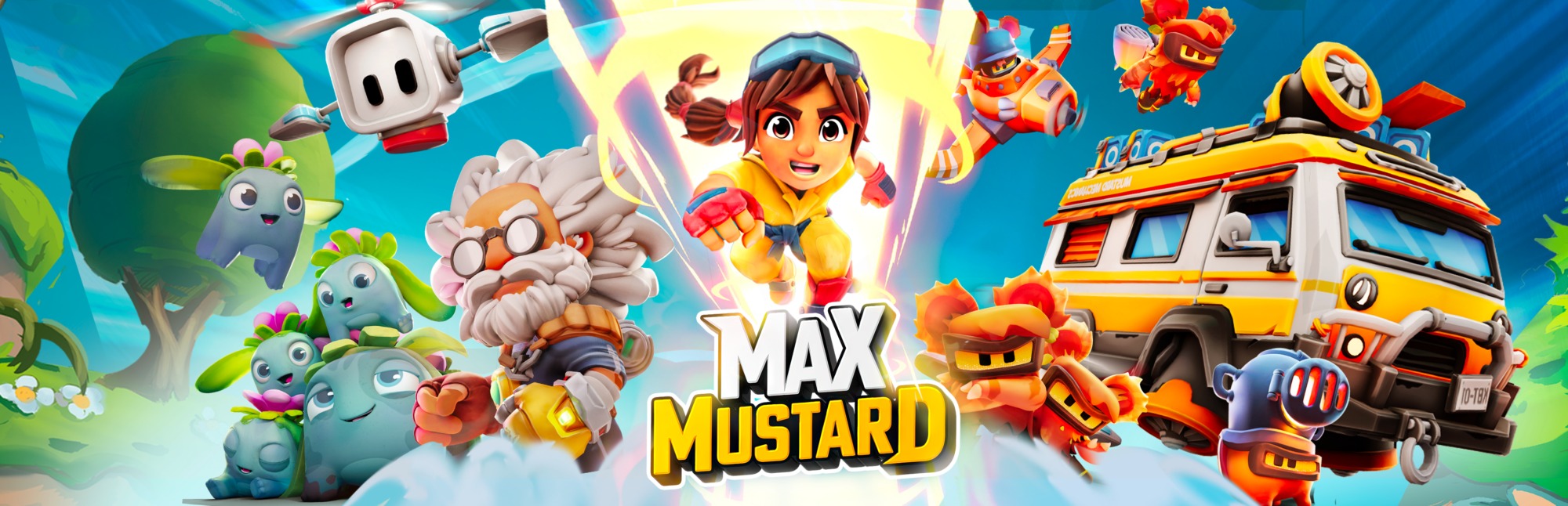
Max Mustard — Senior Technical Animator, squash-and-stretch character animation VR

Max Mustard

Senior Technical Animator - Toast - 2021-2023

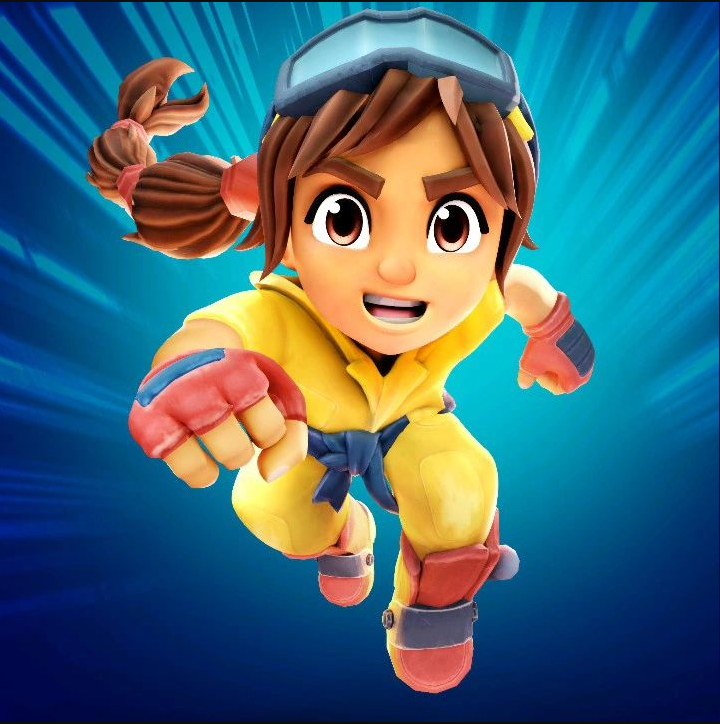
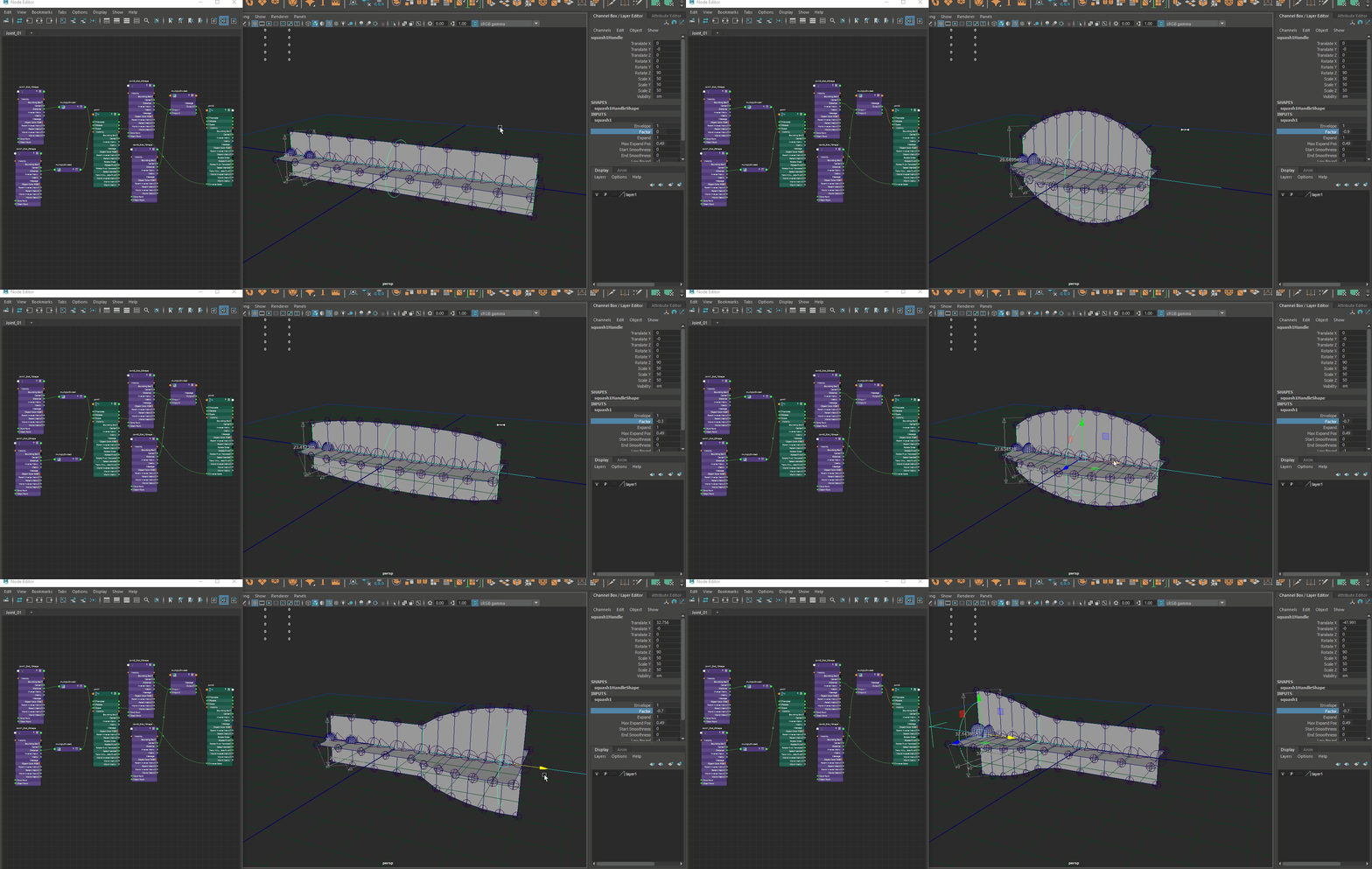
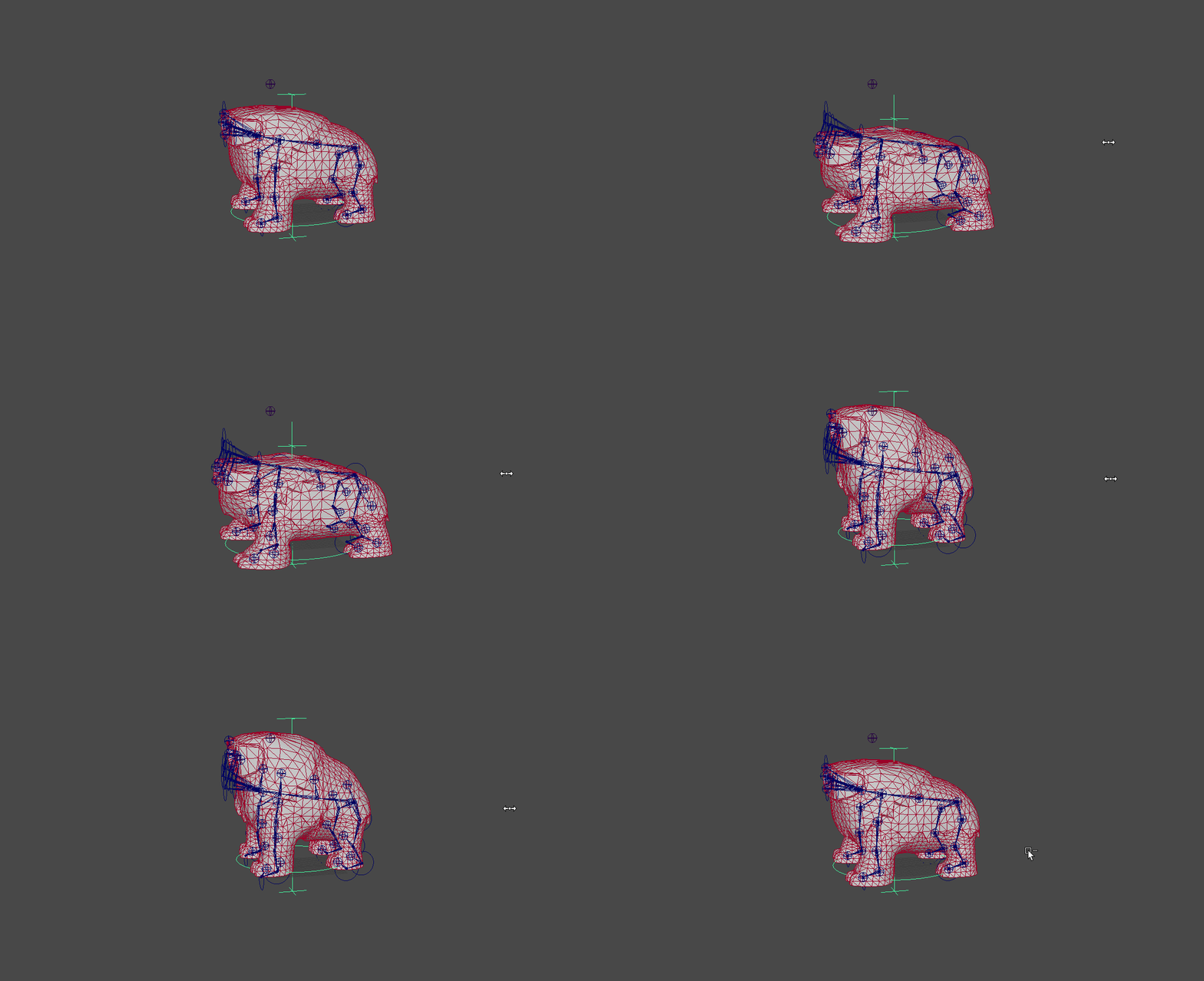
Initially a short-term Unity Tech Artist contract, I carved out a much bigger role on the project. I took charge of character rigging and animation, leveraging my squash-and-stretch auto-rigging system, and grew into a principal-level role running the animation department, owning the Jira board, tasking, tool management, and team training. All told, we shipped 15+ characters, each with fluid, delightful animation.

Squash and Stretch

Coming Soon!

Leading the Way

Coming Soon!

Mobile game — Technical Artist character and pipeline work

Mobile Game

Tech Artist - Bitloft - 2019

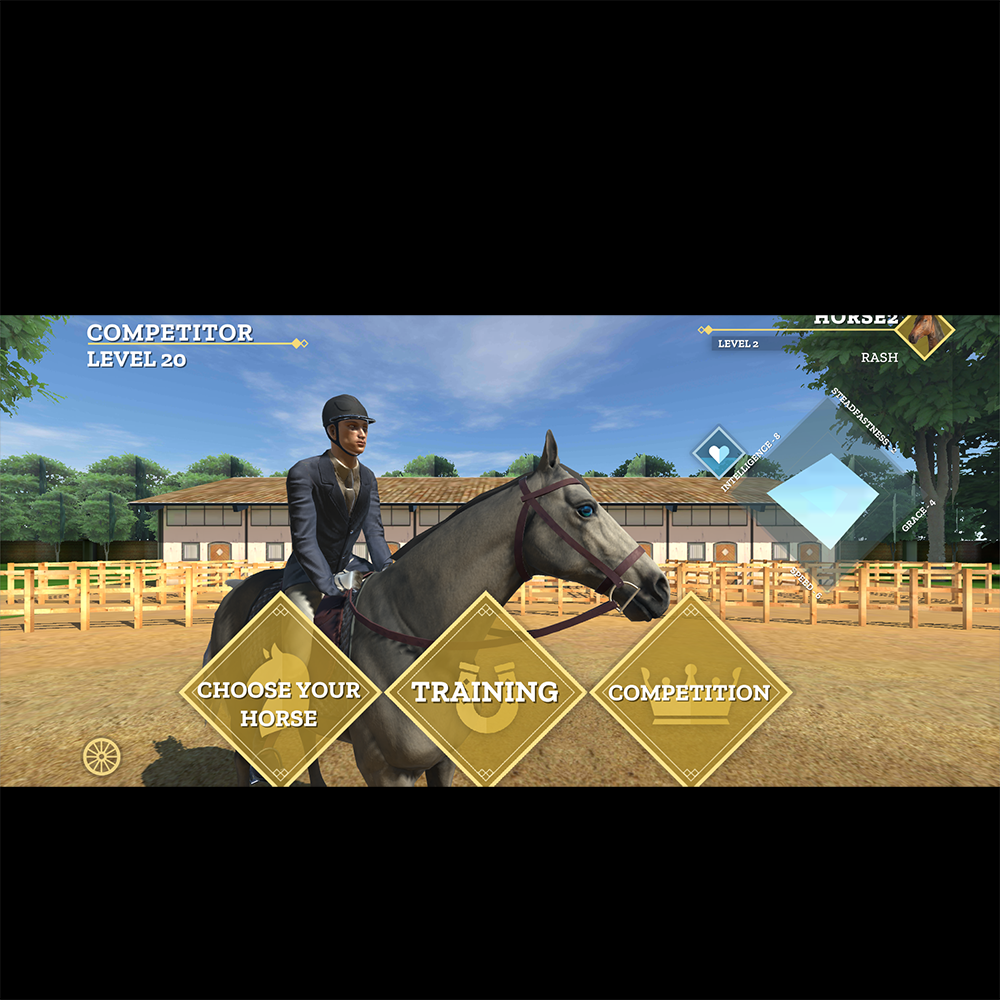
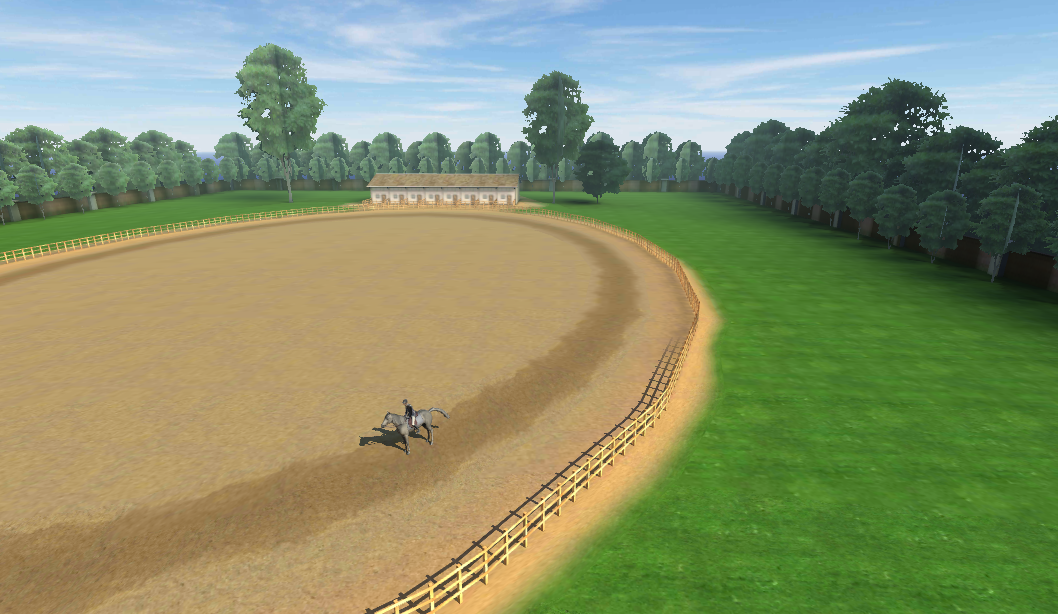
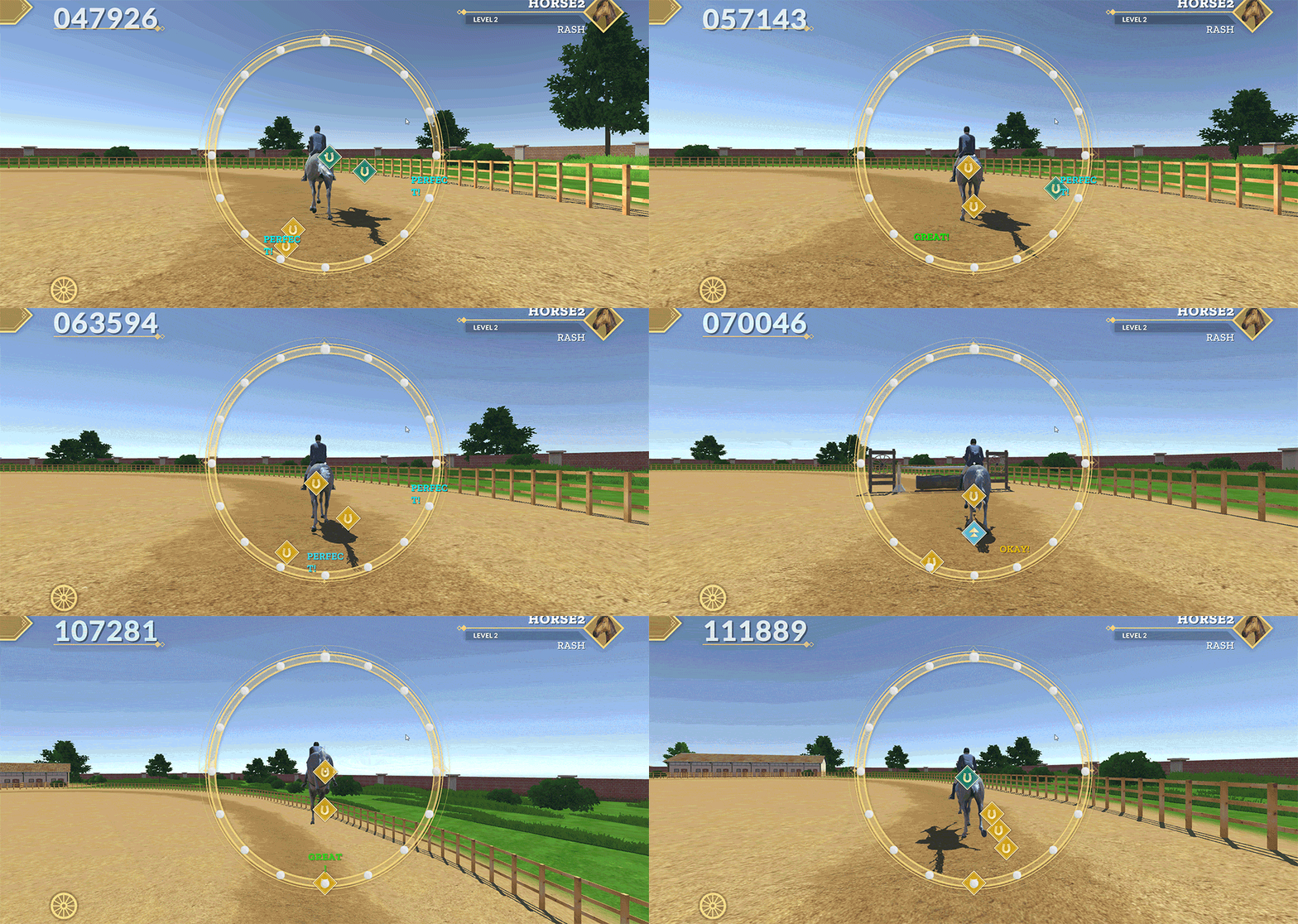
In 2019 I worked as a Technical Artist at Bitloft studio. One of the projects I worked on was a mobile horse riding game. Due to the small team size of 10 and rapid production schedule of 3 months I was afforded the privilege of wearing many wide ranging hats.

Lighting Artist:

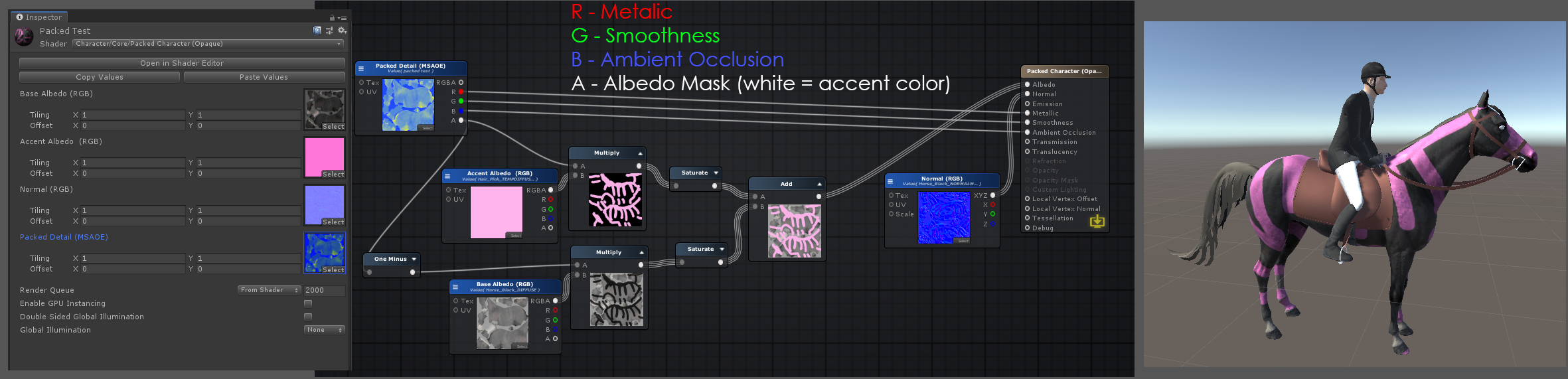
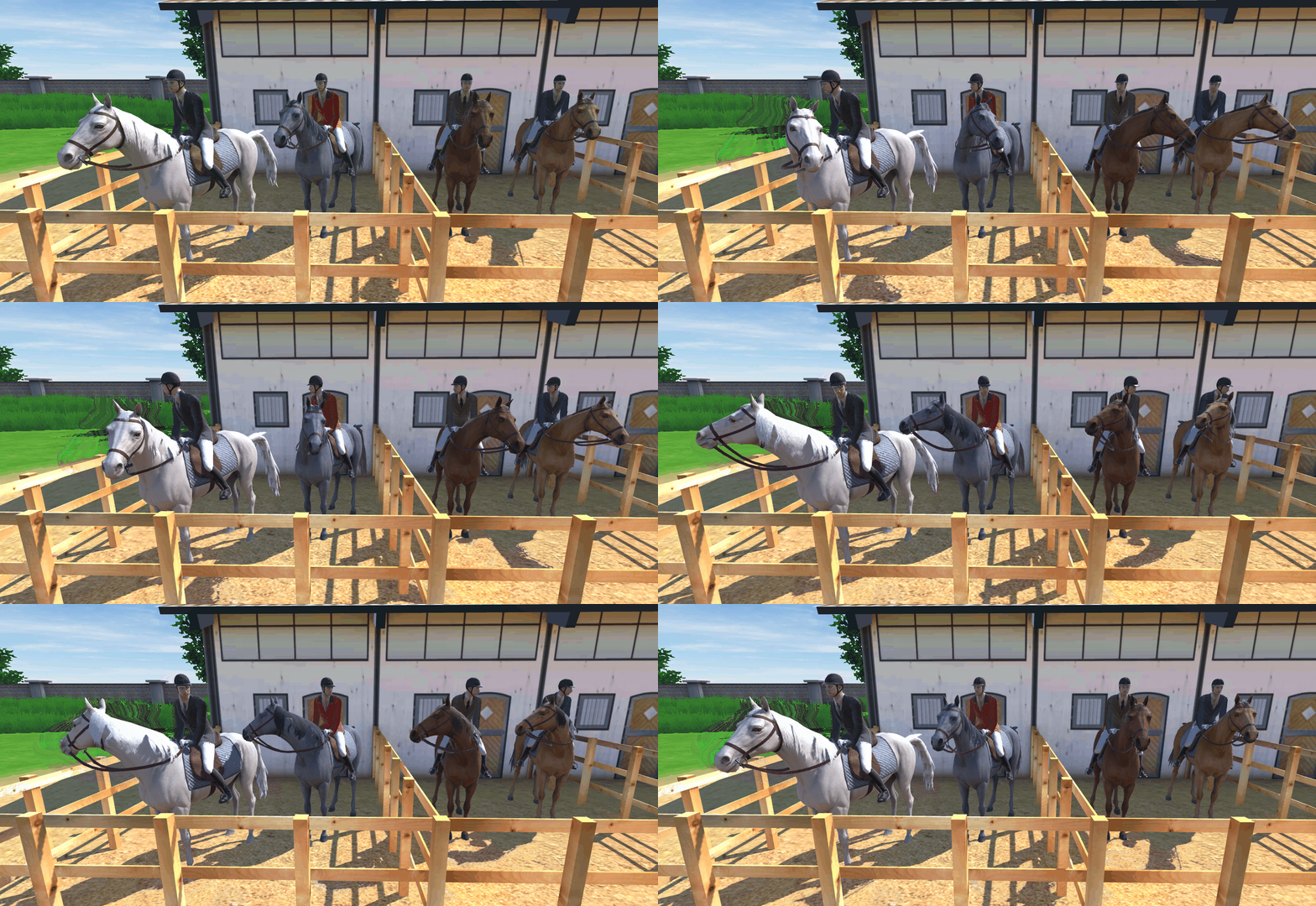
Throughout production I set up and updated lighting. This included developing shaders, optimizing light bake memory size, and profiling performance.

    Performance profiling, Target Device testing, Project builds:

    With the engineering team stretched thin I took on the responsibility of setting up project builds and producing weekly review builds. I used these builds to profile performance on our target mobile device.

    Oversaw visual and technical direction for environment and character art:

    One of my key art asset production responsibilities was to set strategies for identifying and meeting performance goals. Without a dedicated art director I also worked to ensure stylistic consistency across our assets and scenes while working with the environment and character artists on optimization strategies.

    Team Coordination:

    Wearing so many hats on this project meant I was constantly coordinating with most of the team members and maintained an eagle eye view of the production. I was able to leverage this to assist management. As production ramped up my performance earned me the privilege of being included in virtually all meetings to guide sprint planning, coordinate asset timelines, and identify when inter-disciplinary meetings were needed, then schedule and lead those meetings.

    Player character integration, animation, and VFX:

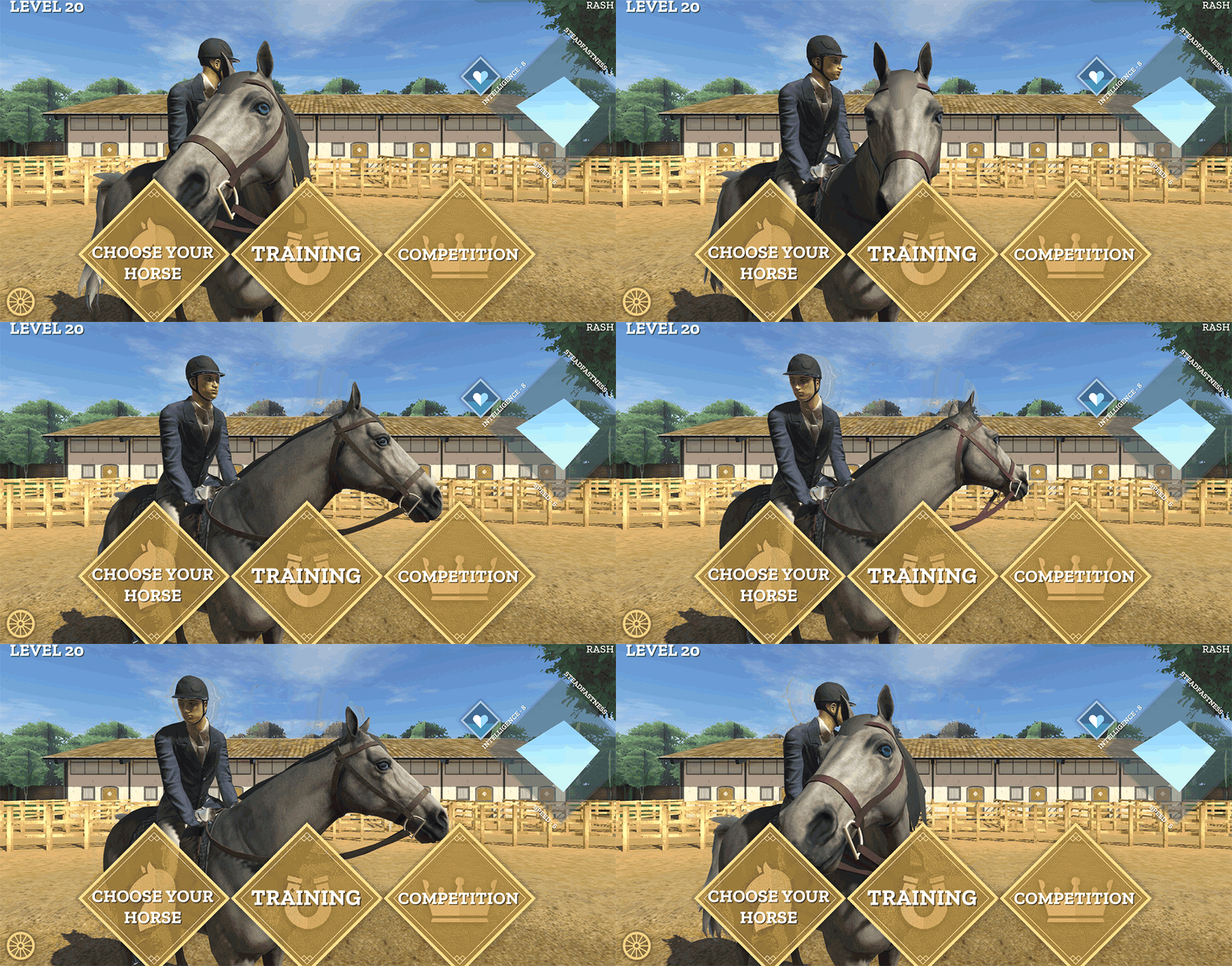
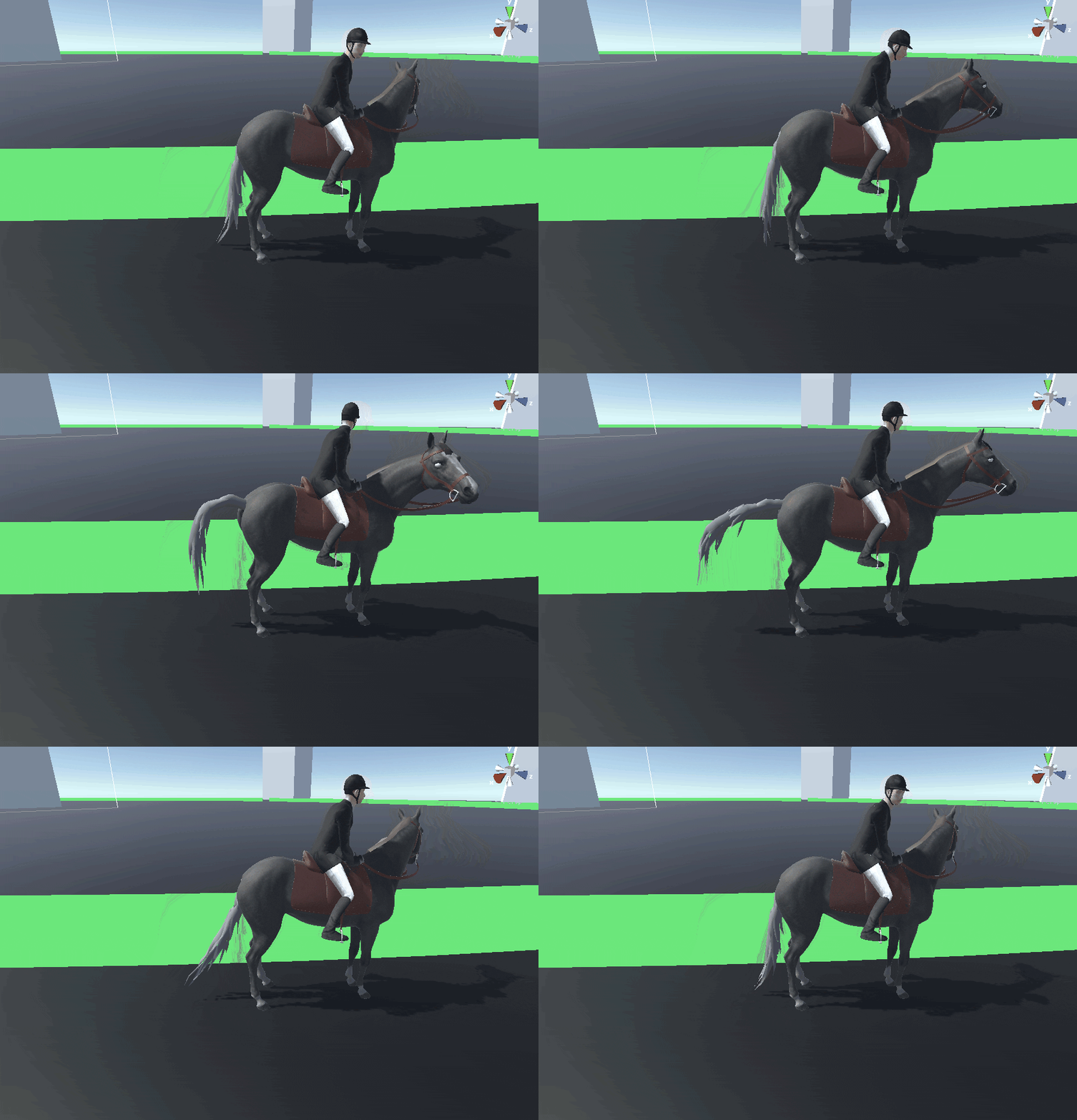
    As the technical artist it was my job to be the glue between art, design, and engineering. One of my production responsibilities was integrating the player character art assets into the player controller. To do this I built a mechanim blend tree that leveraged the player controller script to drive animations. In addition to implementing the animations handed off by the character artist, I created and implemented reaction animations for various mechanics such as a headbutt animation to communicate play errors and leaning blend poses for turning.

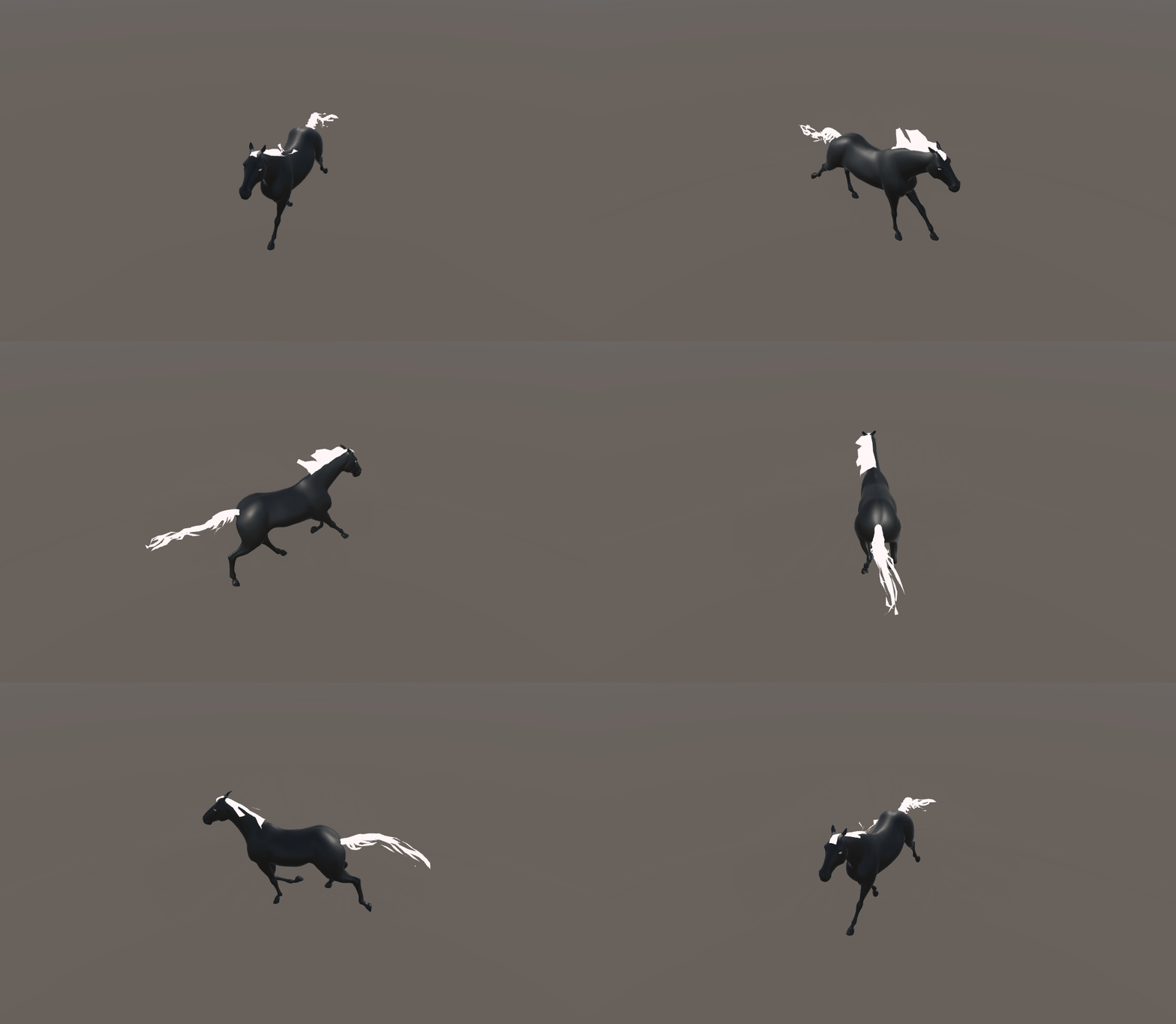
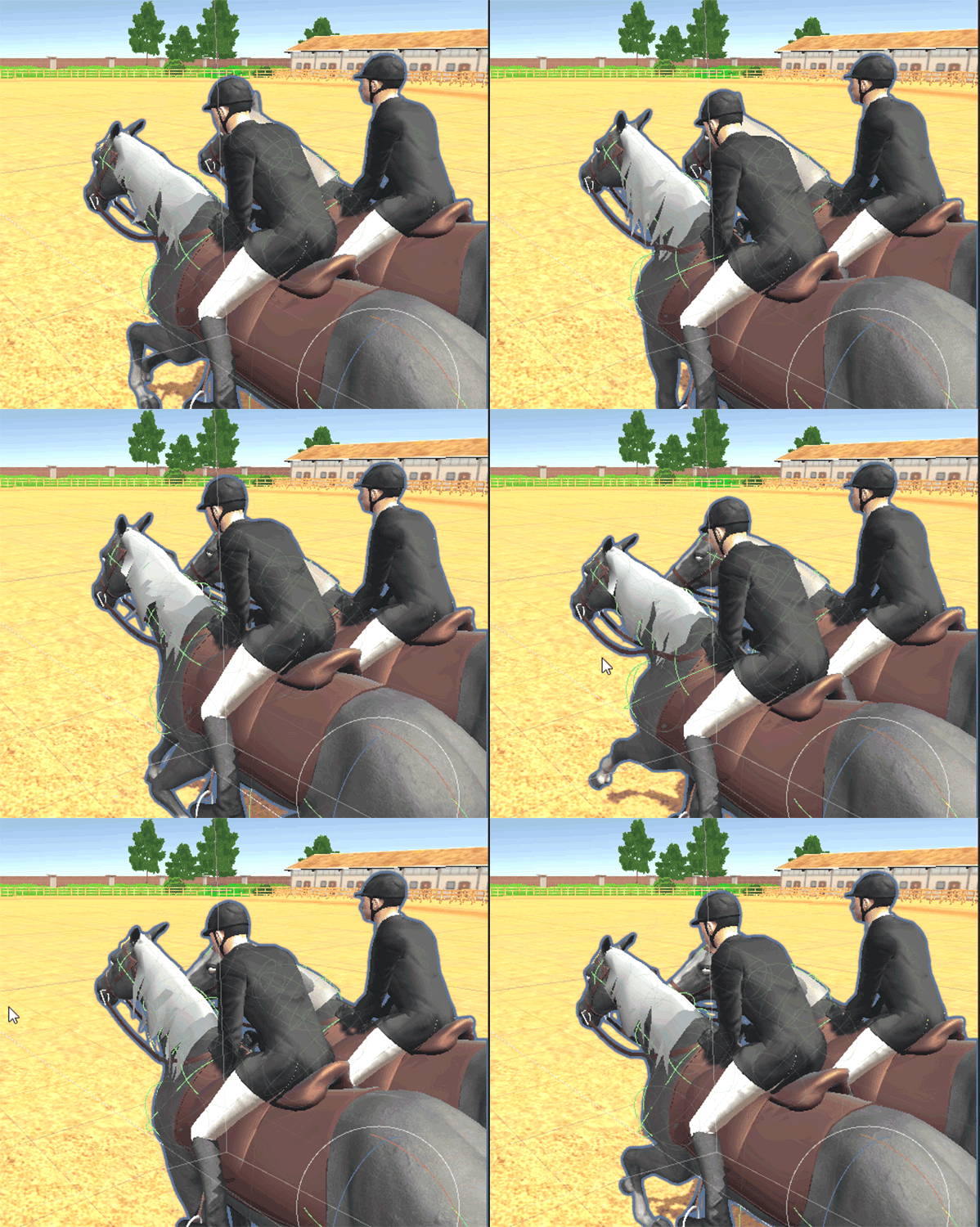
  • I set up procedural animations for the horse hair and tail, using a hybrid approach blending joint animations, dynamic bones, and cloth simulation to create a system that was performant, controllable, and procedural.

    I prototyped shaders and implemented assets for the character customization systems.

The Crystal Core — Technical Artist game project

The Crystal Core

Tech Artist - Bitloft - 2019

The Crystal Core is an educational game developed by Bitloft game studio. The purpose of this title is to create and maintain a gamified platform for students to undergo high school courses for credit.

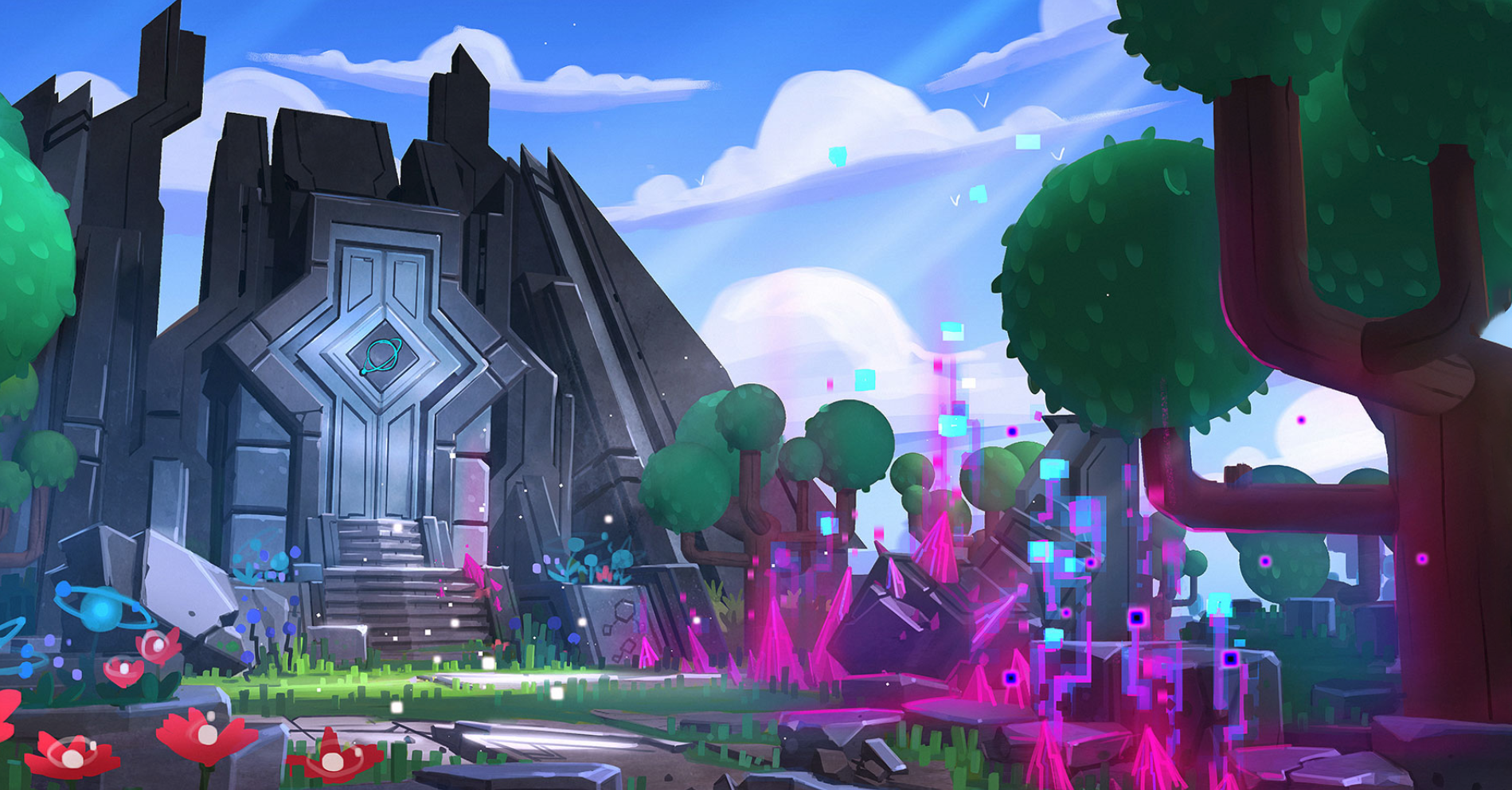
In 2019 I worked as a Technical Artist at Bitloft studio. I performed my duties remotely and maintained consistent and productive communication with the team. A large portion of my work on The Crystal Core has been centered around the creation of shader effects for characters, and subsequently scripting tools and drafting clear documentation to streamline the installation of those effects. My responsibilities also include but are not limited to, training team members on the use of our version control tools, participating in interviews as the tech art department representative, and implementing character assets into unity and our existing systems. I always keep performance, visual quality, and the needs of other team members in mind.

VFX Work

Fire Bird Effect

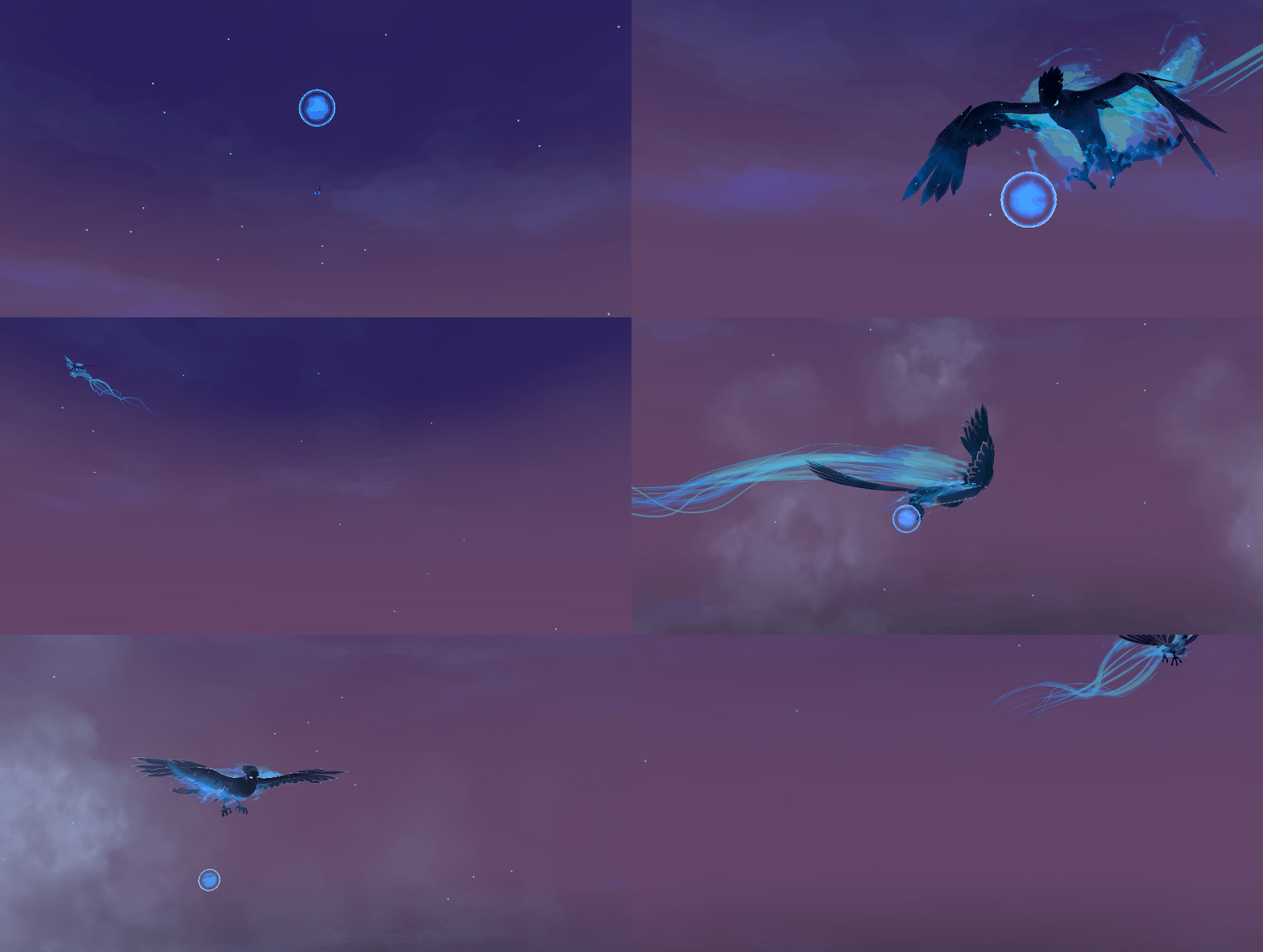
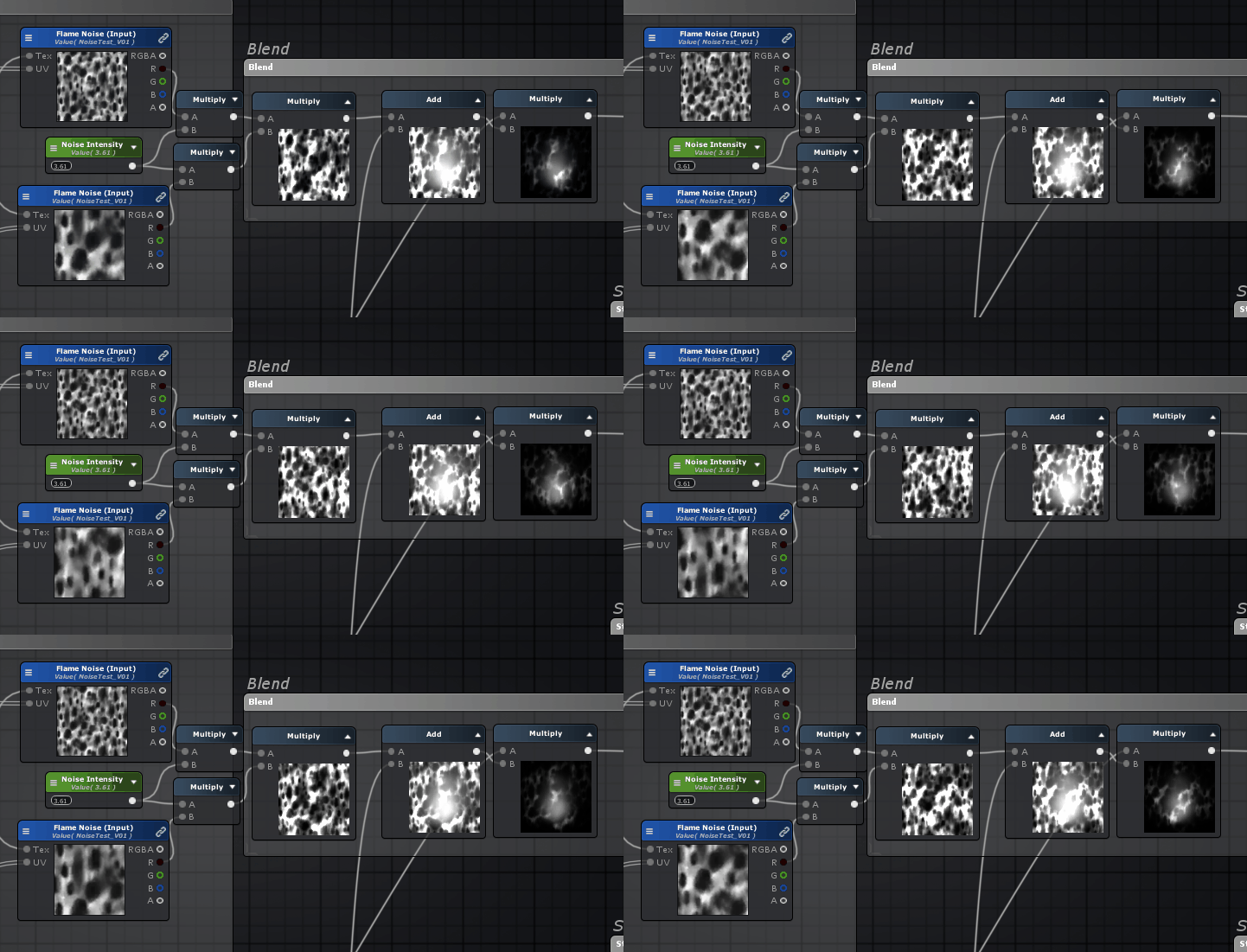
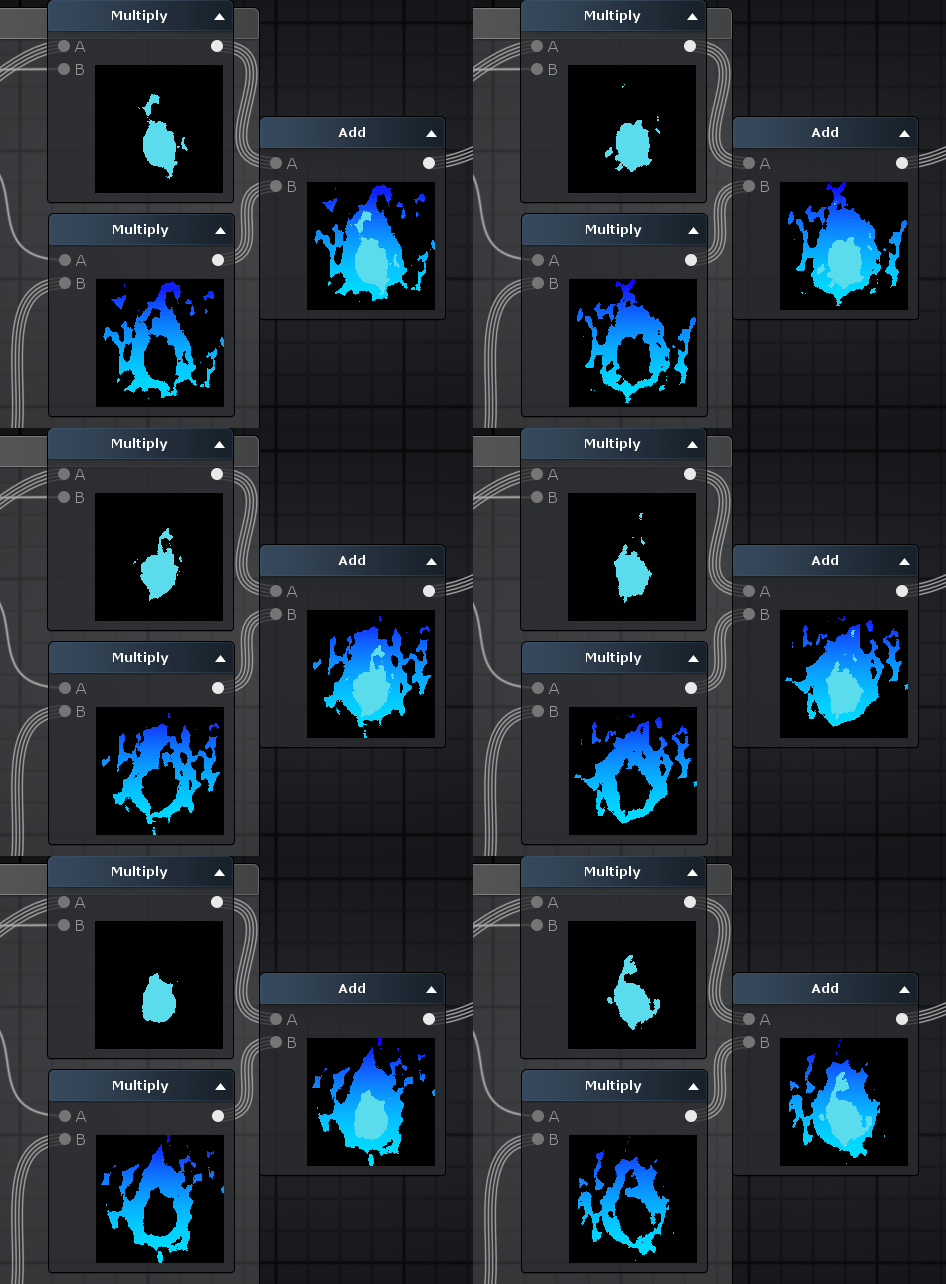
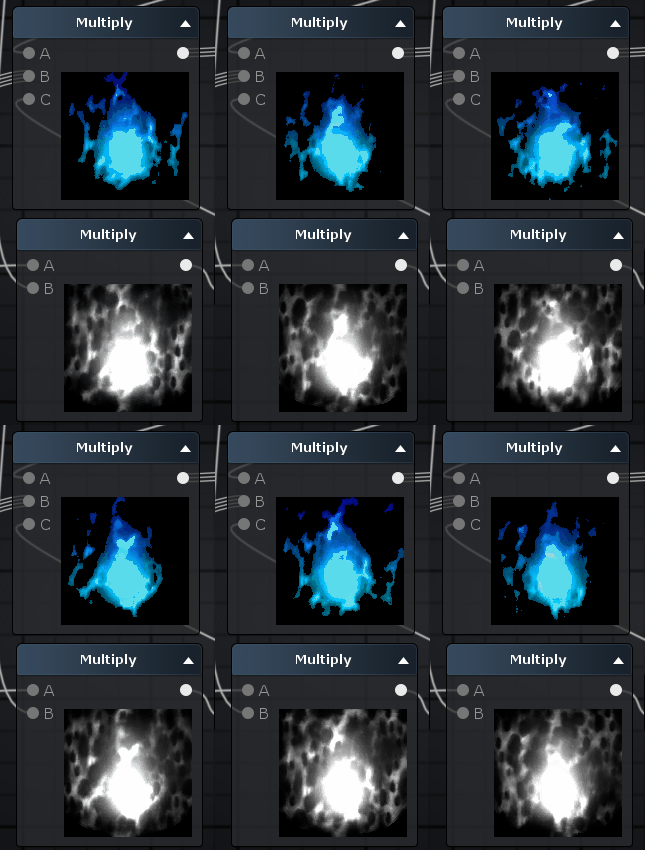
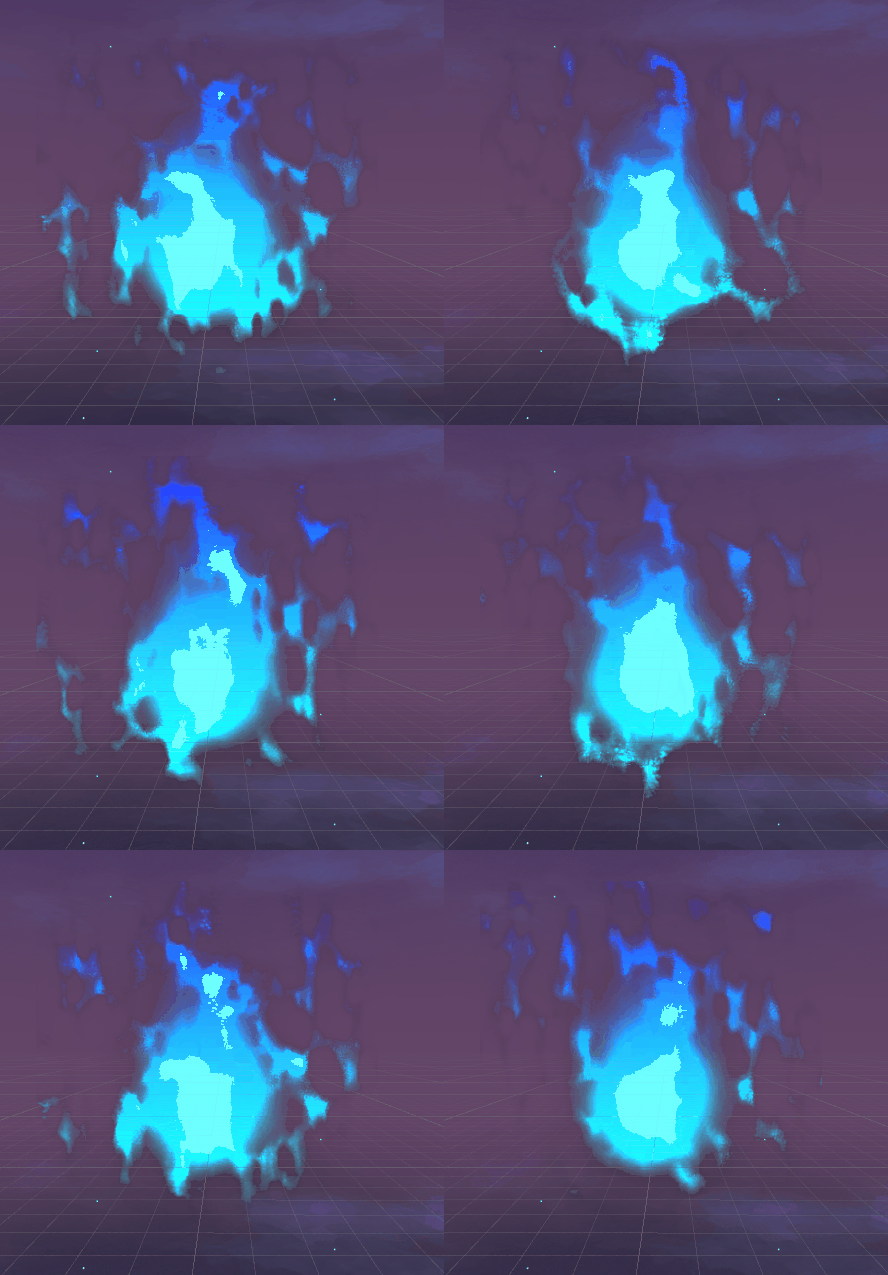
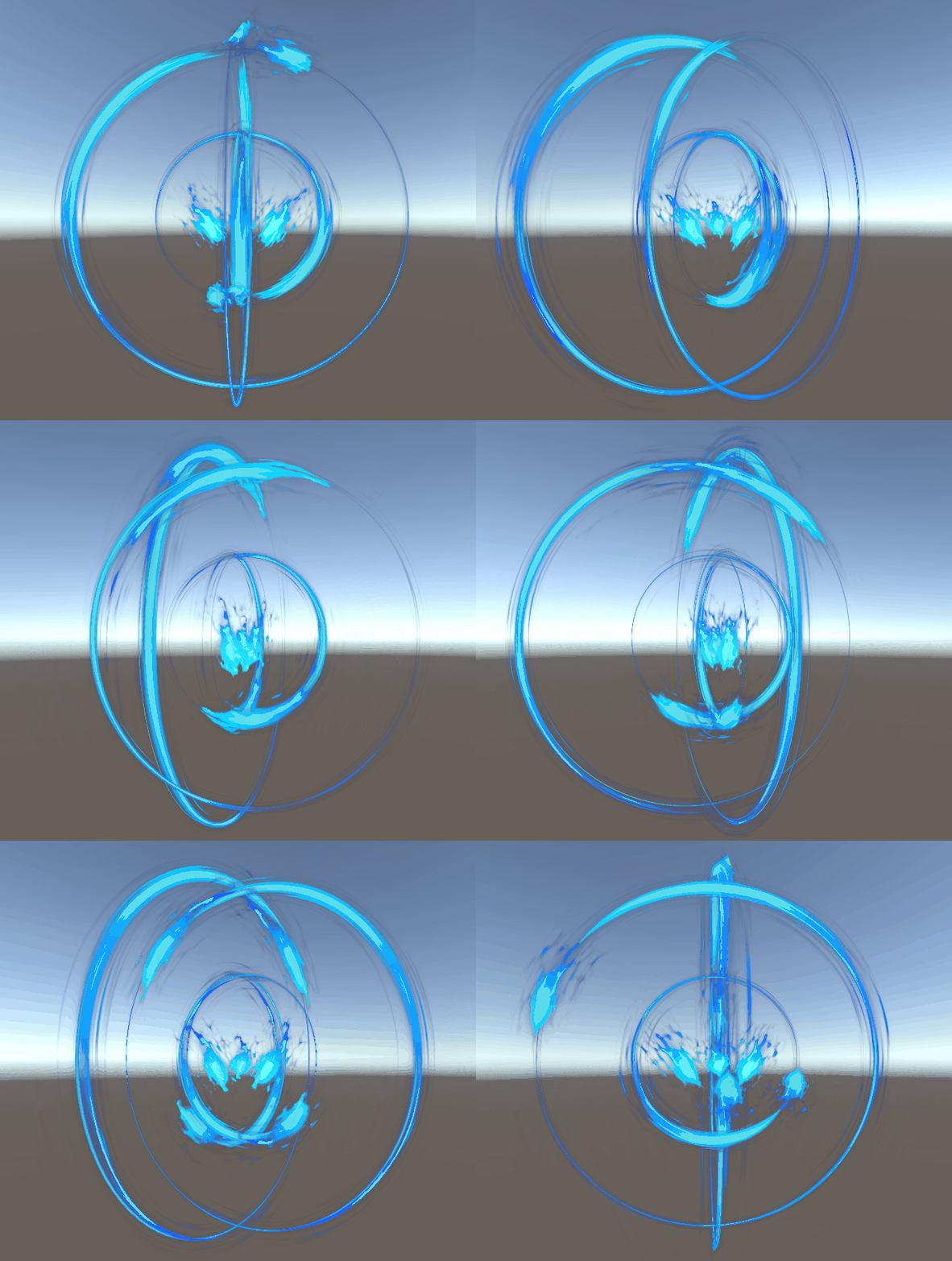
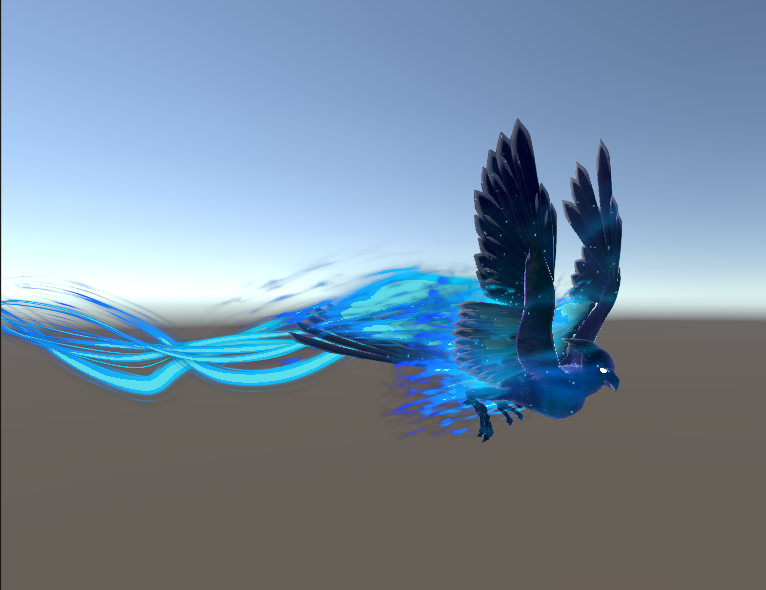
This fire effect was my first venture into using amplify shader editor for rapid shader creation. I consulted with the art director and lead character artist to dial this effect in just how they wanted it. The core of this shader is a simple performant effect using scrolling hand drawn noise. This effect went on to be the core of my latter sfx projects at Bitloft.

  • Trap Effect

    This effect is virtually identical to the concept art I received at the start of the design process. I create and documented a streamlined pipeline for the design team to install and animate this effect in game.

  • Vanish Effect

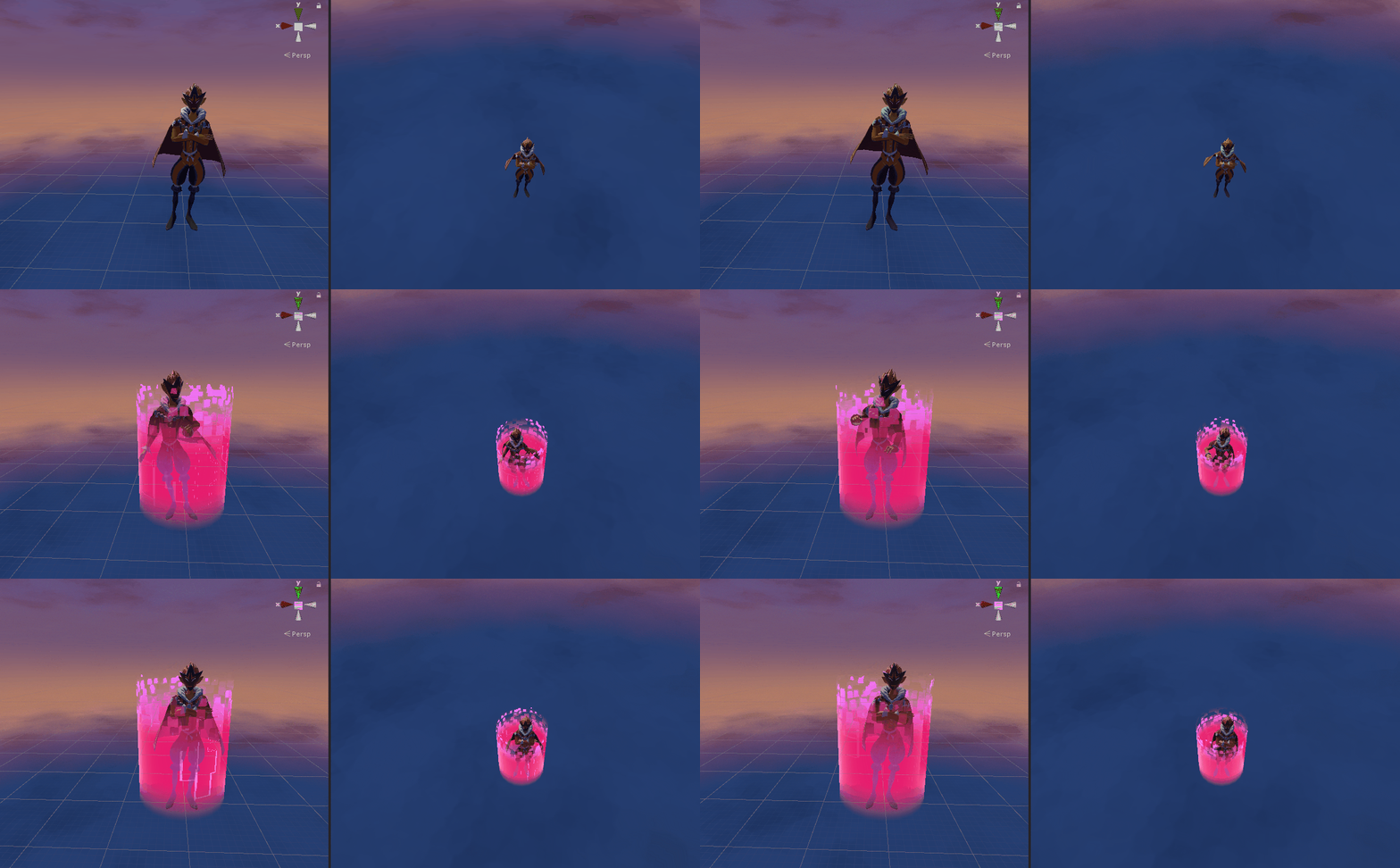
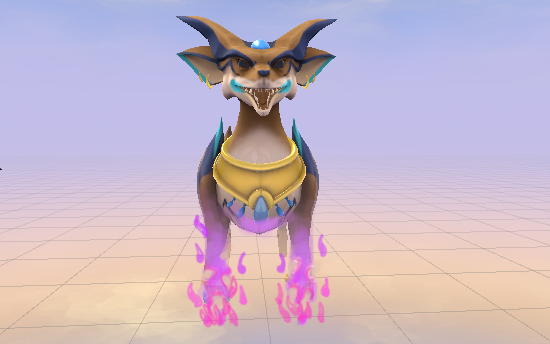
    This particle effect was largely self directed. At first management wanted a quick fix for a small problem; an effect was needed to cover over enemy characters being removed after being defeated. As a member of the tech department I was privy to many interdepartmental concerns and tasks. I noticed that many departments needed various objects in game to disappear in a stylistically consistent way. I had just finished the trap effect and documentation and saw an opportunity to take what I had learned to the next level. I proposed an all purpose vanish effect with a user friendly installation pipeline to management and got approval for the task. Over the next 3 weeks I conceptualized, designed, and implemented that system and effect.

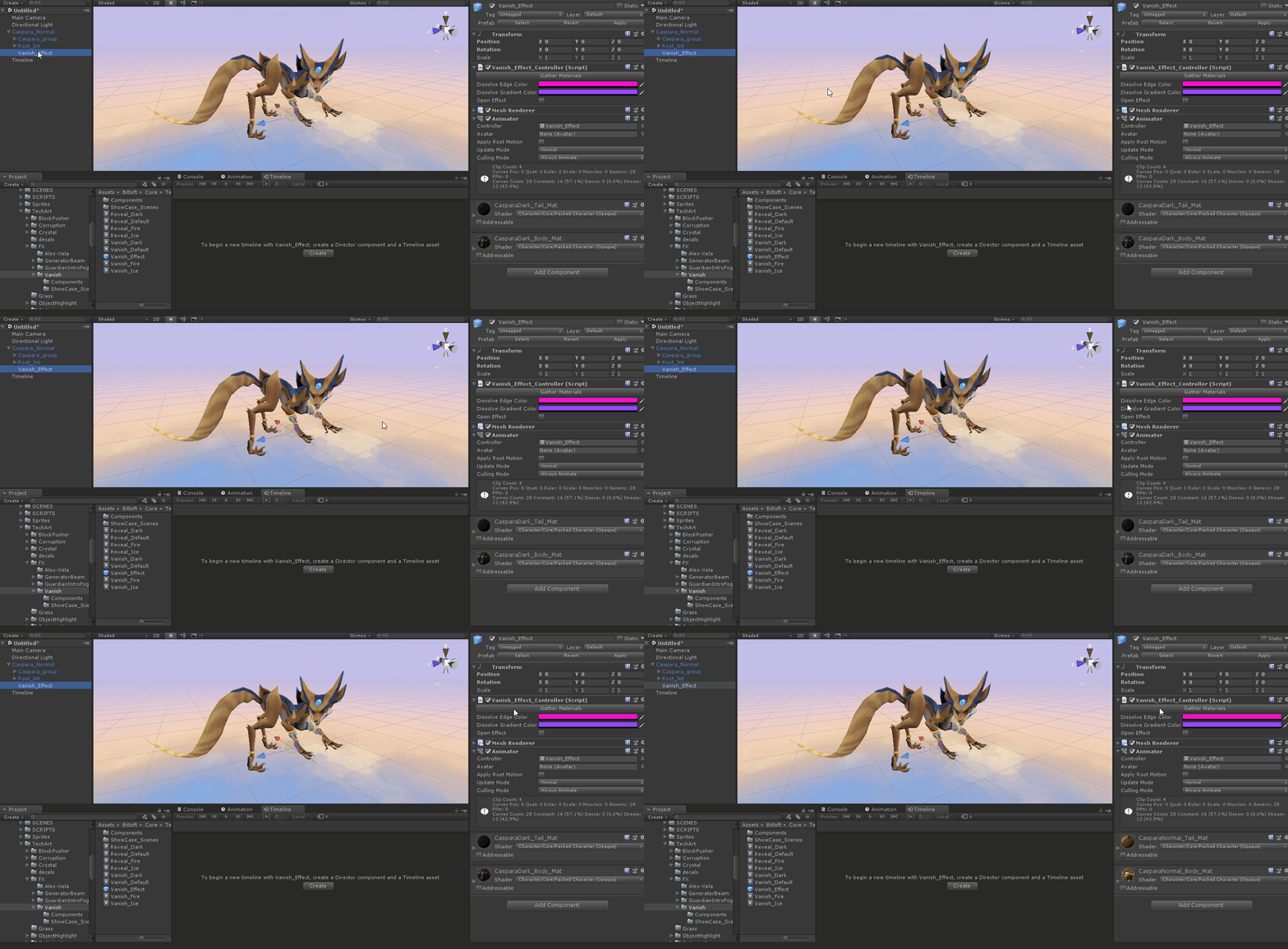
  • Instalation: GUI Buton

    To keep the effect performant I decided to go with a shader based effect similar to what I had created previously. This presented a serious difficulty, my custom shader needed to be swapped on and off the character at runtime. I created a script with a custom inspector GUI that allowed this effect to be applied to any object in the game; logging the current material configuration of the object with a single button press.

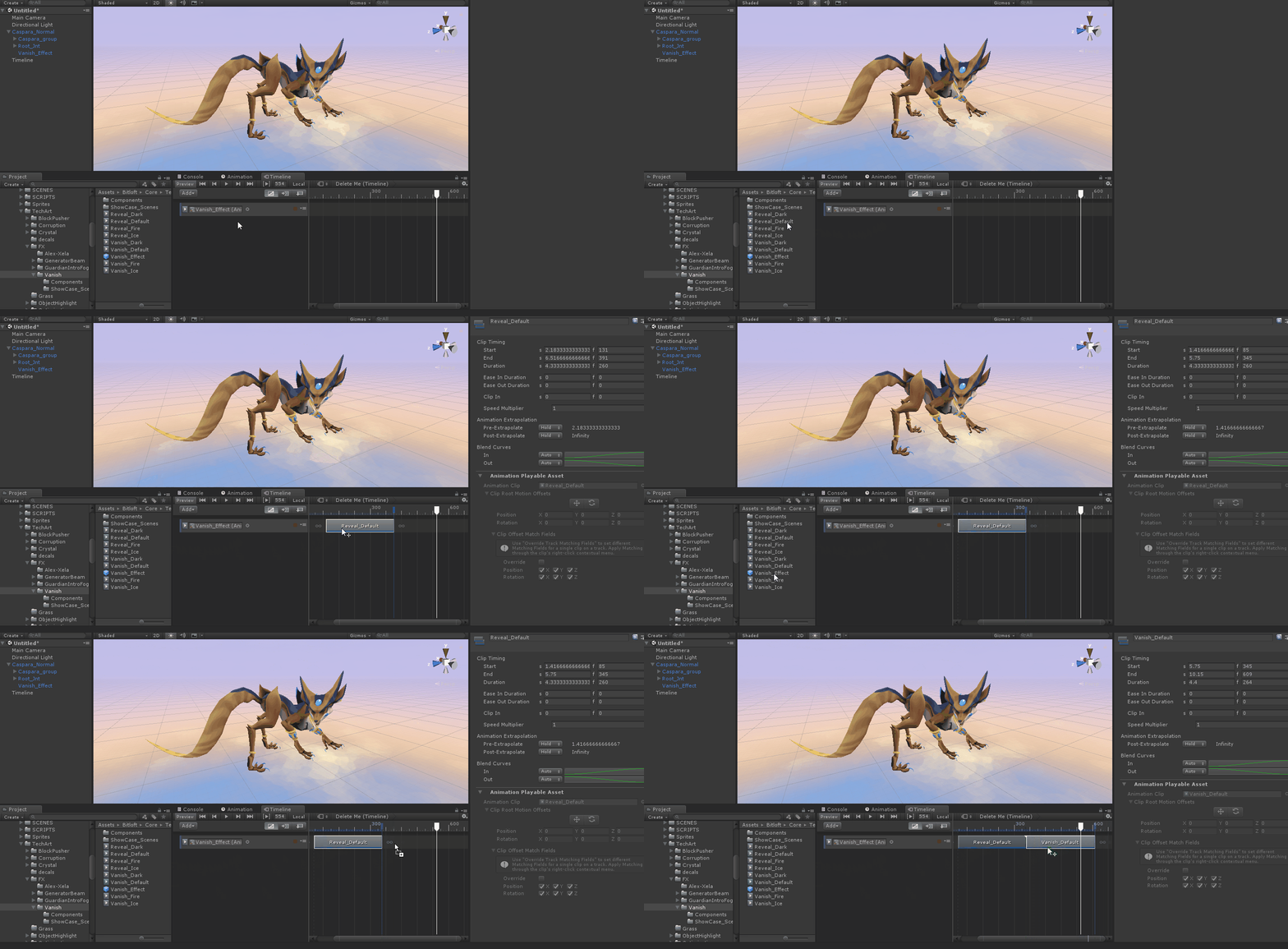
  • Instalation: Timeline

    Once the object was set up, Designers could drag and drop predone animation clips into timeline to animate the effect. These clips used animation events to swap my custom shader in and then revert the material to the original shader, while also animating visual parameters of the effect. All told setting up any object to use this effect takes 4 simple steps. I produced documentation with clear demonstration gifs, some pictured here, as a resource to our design team.

  • Tool Creation Work

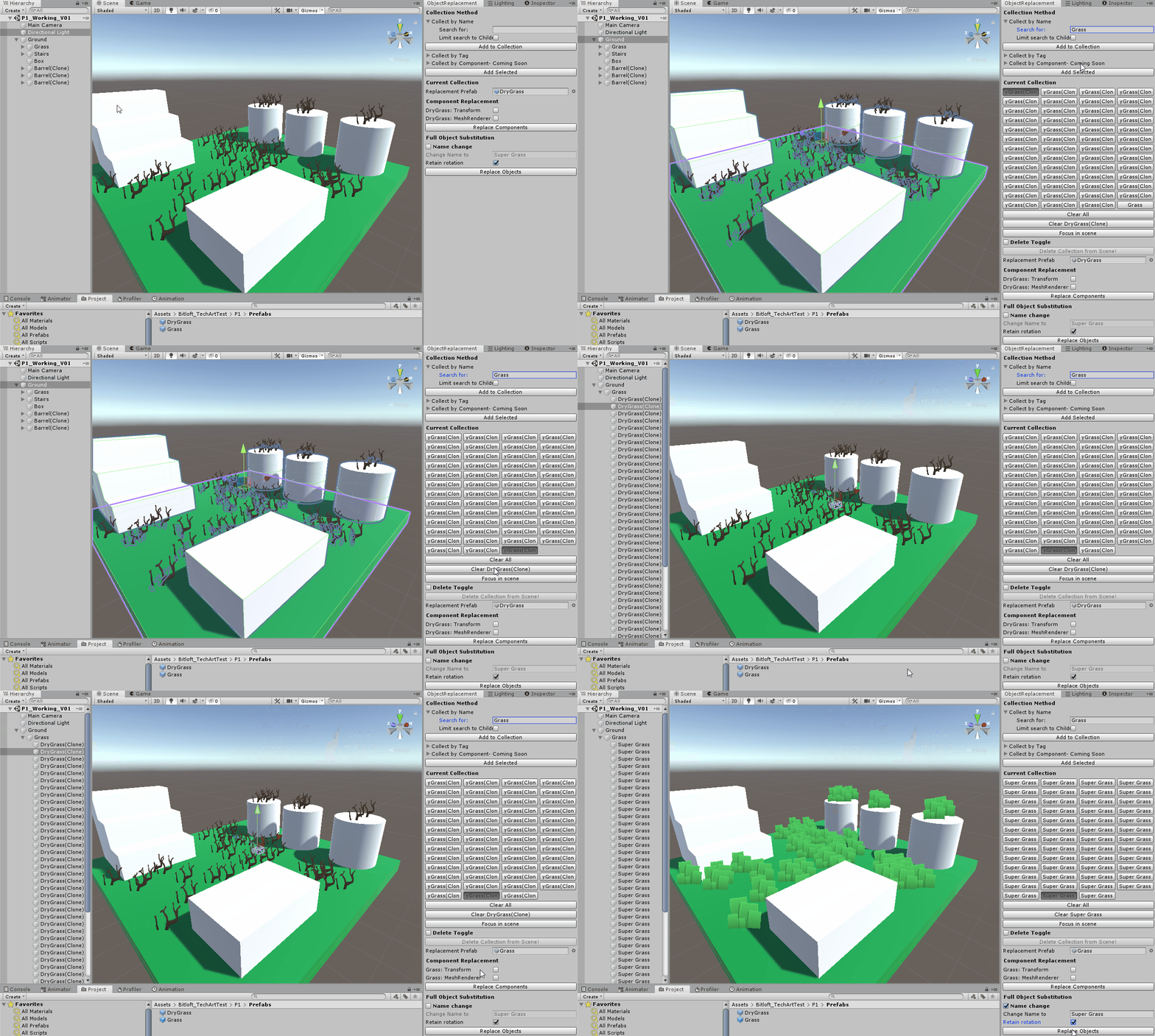
    Batch Object/Componenent Replacement Tool

    The Crystal Core has hundreds of levels, each set dressed with hundreds of objects. As environment assets were updated it became necessary to bulk replace objects in instances where updating existing prefabs was not an option. To this end for my art test during the interview process I was tasked with creating a tool to assist set dressers in batching the replacement of objects.

  • Projected Floor shader

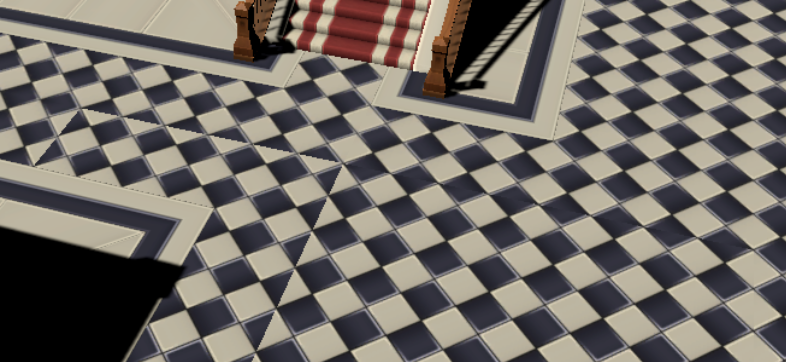
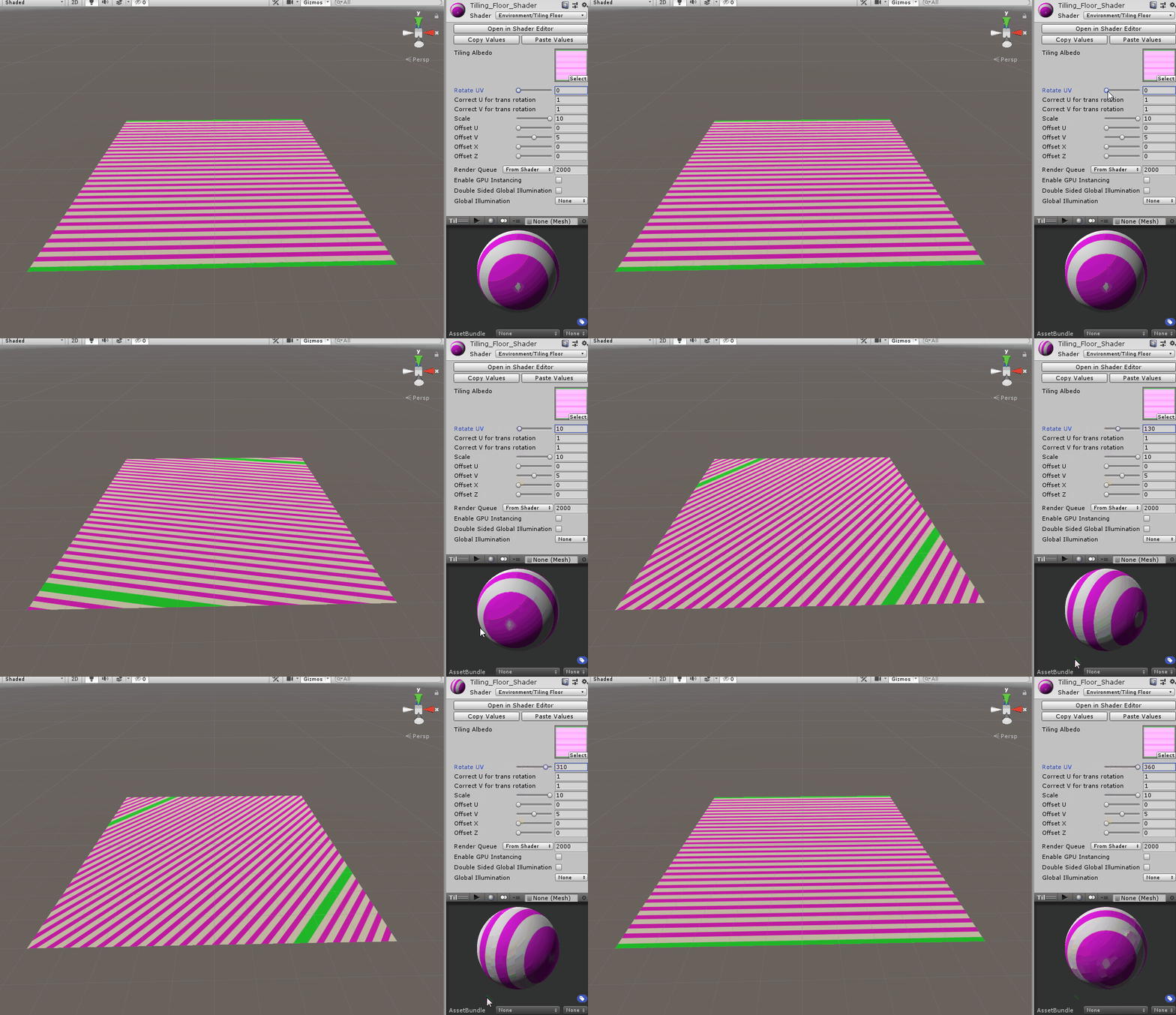
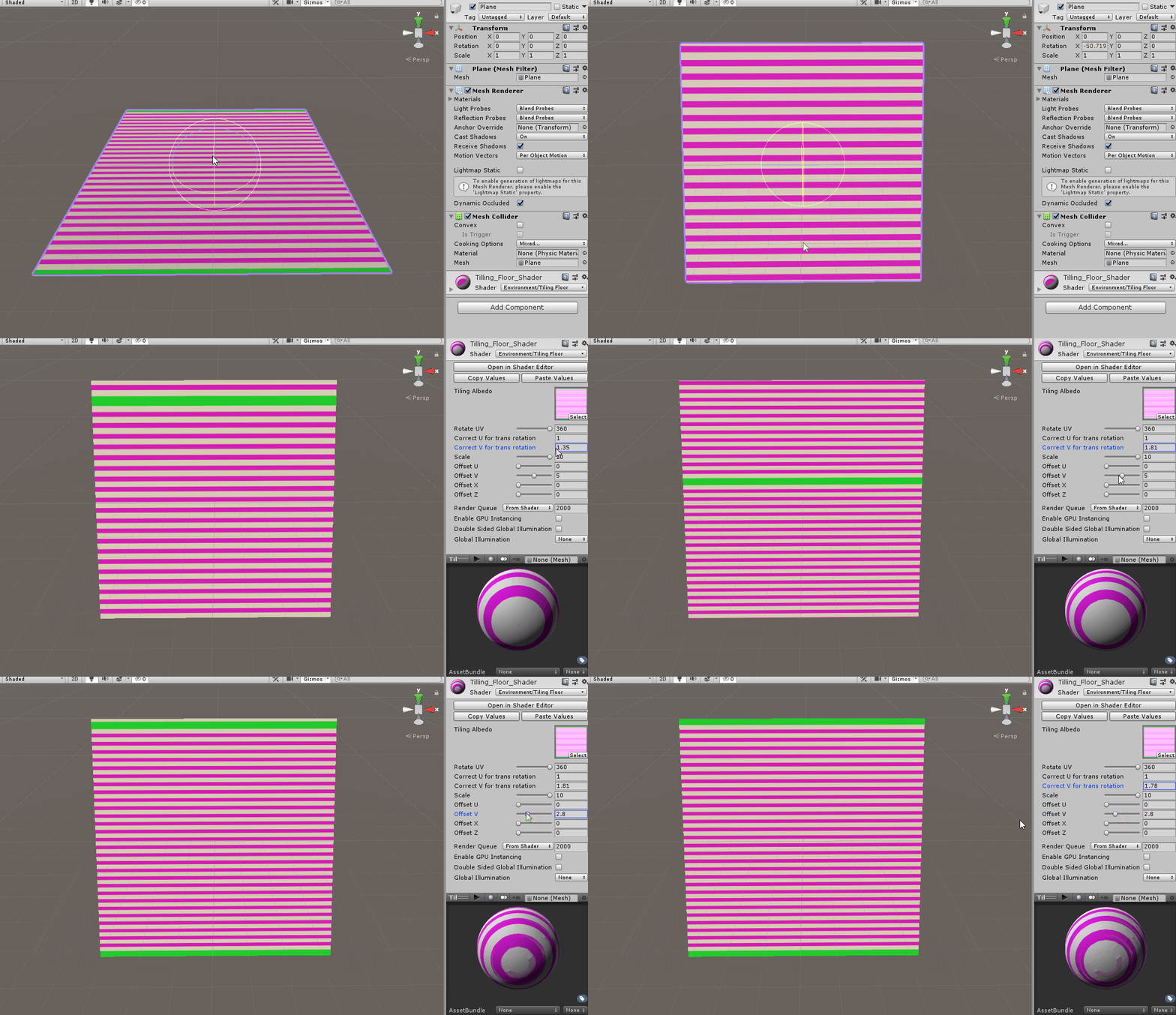
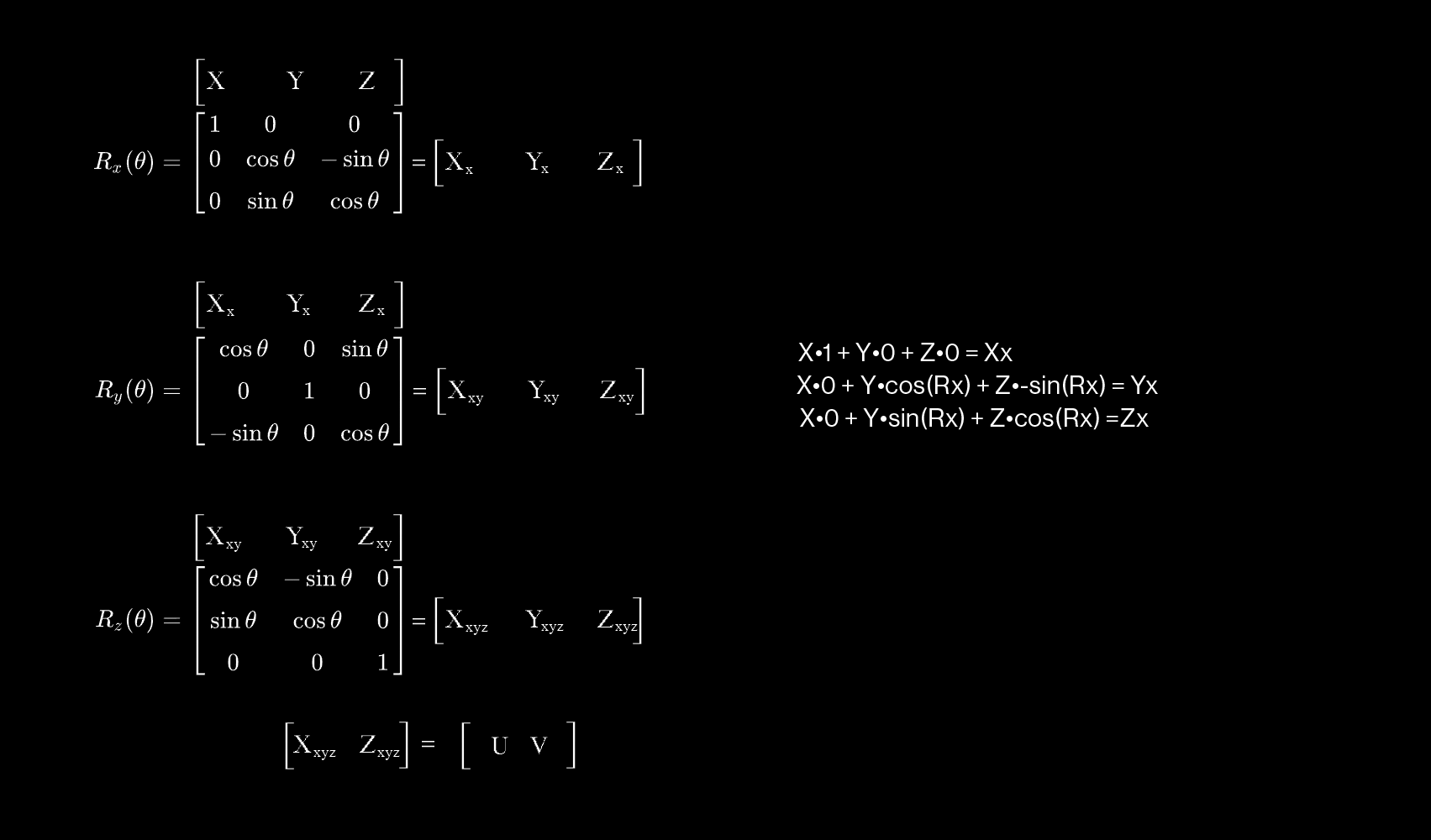
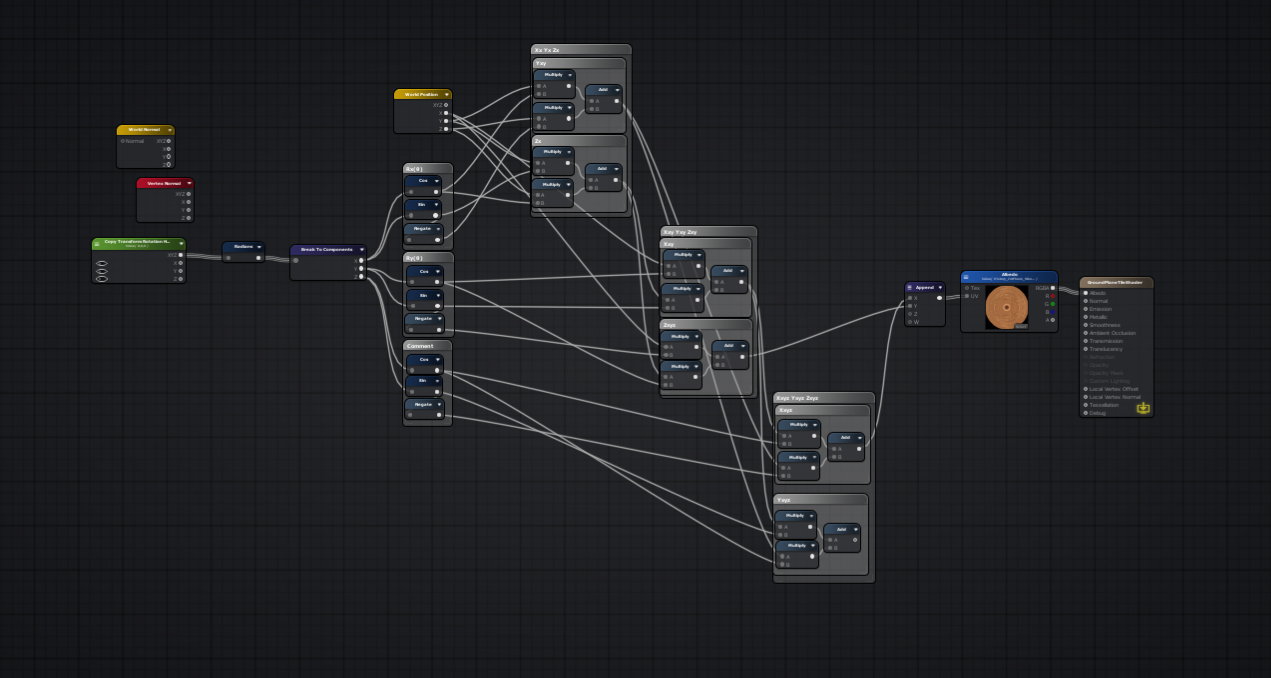
    Early on at Bitloft I was tasked with creating a shader to speed up the environment teams pipeline for creating ground assets. The pipeline in place relied on UVing a large amount of path objects. To speed things up I was tasked with creating a Shader that could seamlessly texture segmented ground objects without UVs. This required a shader that projected textures in world space and allowed the projection to be rotated in 3 dimensions.

  • To accomplish this I refactored an existing rotation matrix equation, then built that equaiton into a shader graph.

    Environment artists could set the rotation of the shader on a per material basis in the inspector.

Drexel University Digital Media — technical art and game design

Drexel University Adjunct Professor

2017 - 2018

Starting in winter 2017 through this year I worked as an adjunct professor in the Game Design and Production department at Drexel University. My classes ranged from introduction to game design to an AI studio, experimental game design and coding for games. All of these courses contained substantial production components, and each term saw me simultaneously managing multiple game productions. I had the pleasure of working with some of the most talented individuals the industry will welcome in the coming years. My approach to project management was centered around open communication. I set up a discord server so my students could constantly be in communication in a space I could contribute to.

My main goal was to never stifle creativity when possible. I openly voiced scope based concerns when necessary but never stopped my students from failing in an endeavor they were passionate to pursue. Education is the best place to experience failure, and I was always ready to help plan for damage control. I owe the success of these projects wholey to the passionate students at Drexel University.

Music Credit: Vegan Mustache Jazz - Dumb Waiter

Octopie — Technical Animator character work

Miss Octopie

2016 - Present

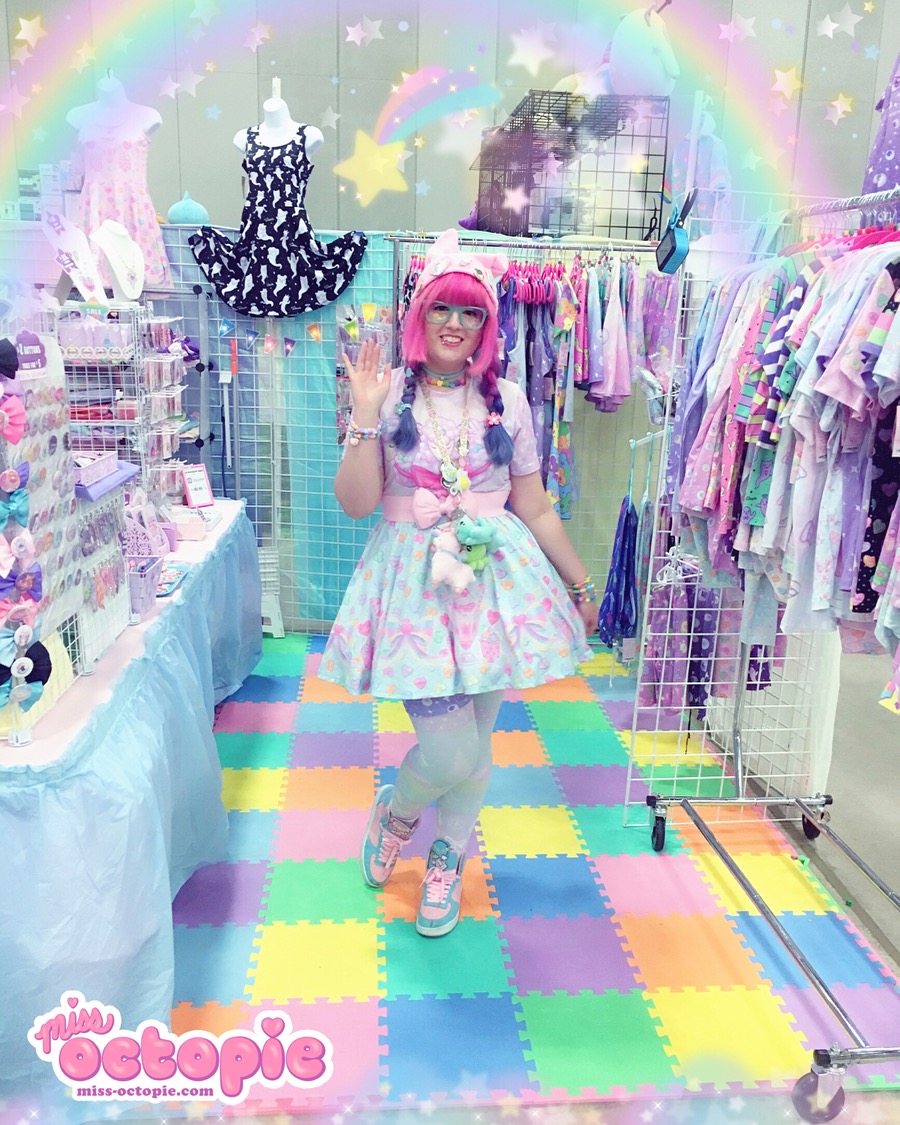
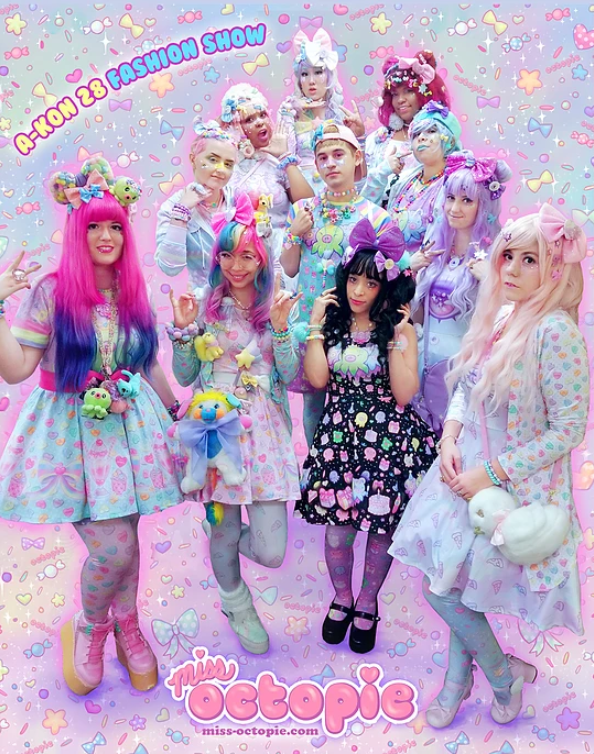
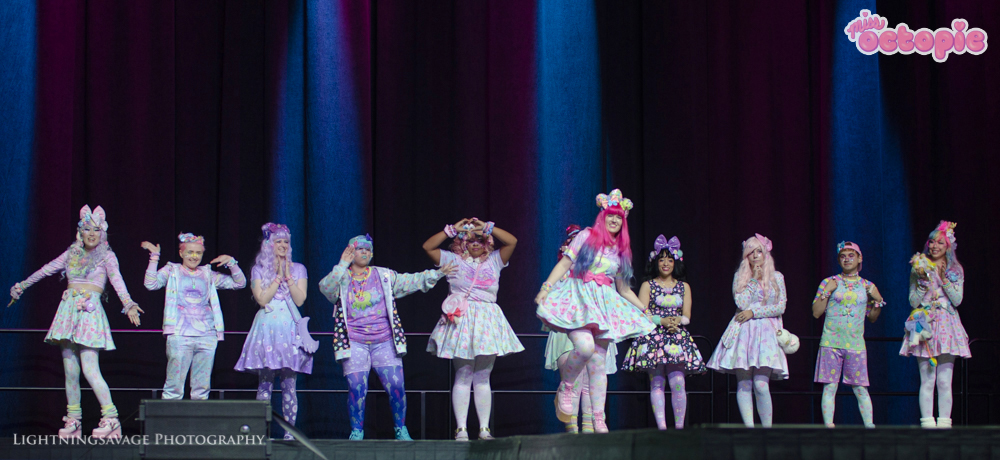
Miss Octopie is an indie artist and fashion designer. Her self titled brand is an influential part of the American "kawaii", meaning cute, and J-fashion scene. Originally starting with traditional and digital paintings, she has since expanded into transforming her whimsical art into fashion, accessories, toys and other merchandise. Miss Octopie’s work has been nationally exhibited at galleries such as the Leslie Powell, Los Angeles Center for Digital Art, Bear and Bird Boutique & Gallery, Museum of the Great Plains, the Champagne Room, and Bedford Gallery. She has also been invited as a featured guest at anime conventions such as A-kon and Anime St. Louis to participate in their Fashion Shows. Miss Octopie has traveled from coast to coast to advertise and sell her artist goods at a multitude of art festivals and conventions.

I started working with Miss Octopie in 2016. Since then I have served various roles in her organization. I assist in most aspects of operation including event logistics, research and development, inventory management, product design and media production, including event and social media. I have assisted Miss Octopie with Unity 3D previsualization tools to help perfect pop up shop layouts for her various events.

Miss Octopie Website

This is a gif snippet of a video I constructed as a background for Miss Octopie’s fashion shows.

Goblin Shamans — character animation and technical art

Goblin Shaman

2016 - present

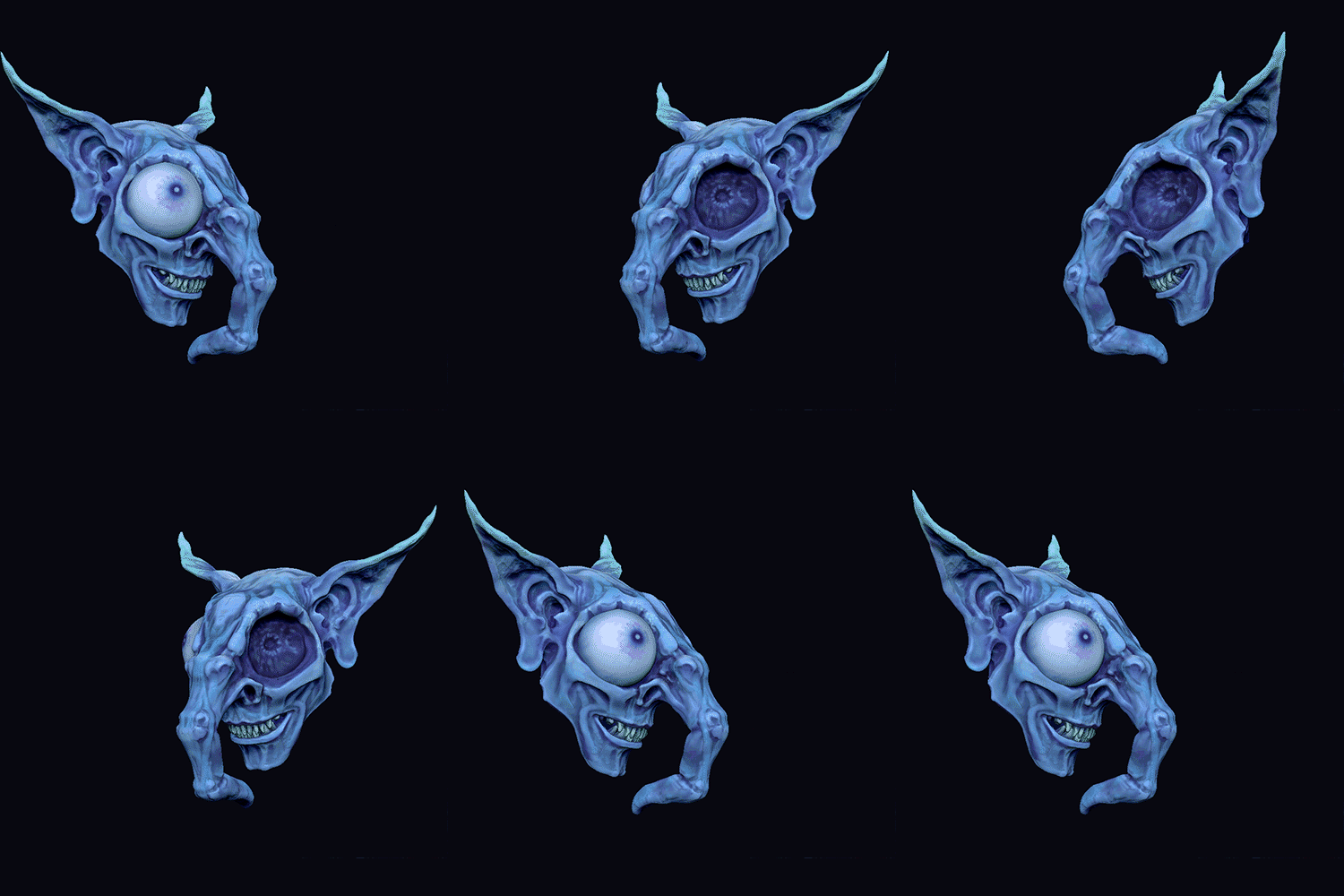
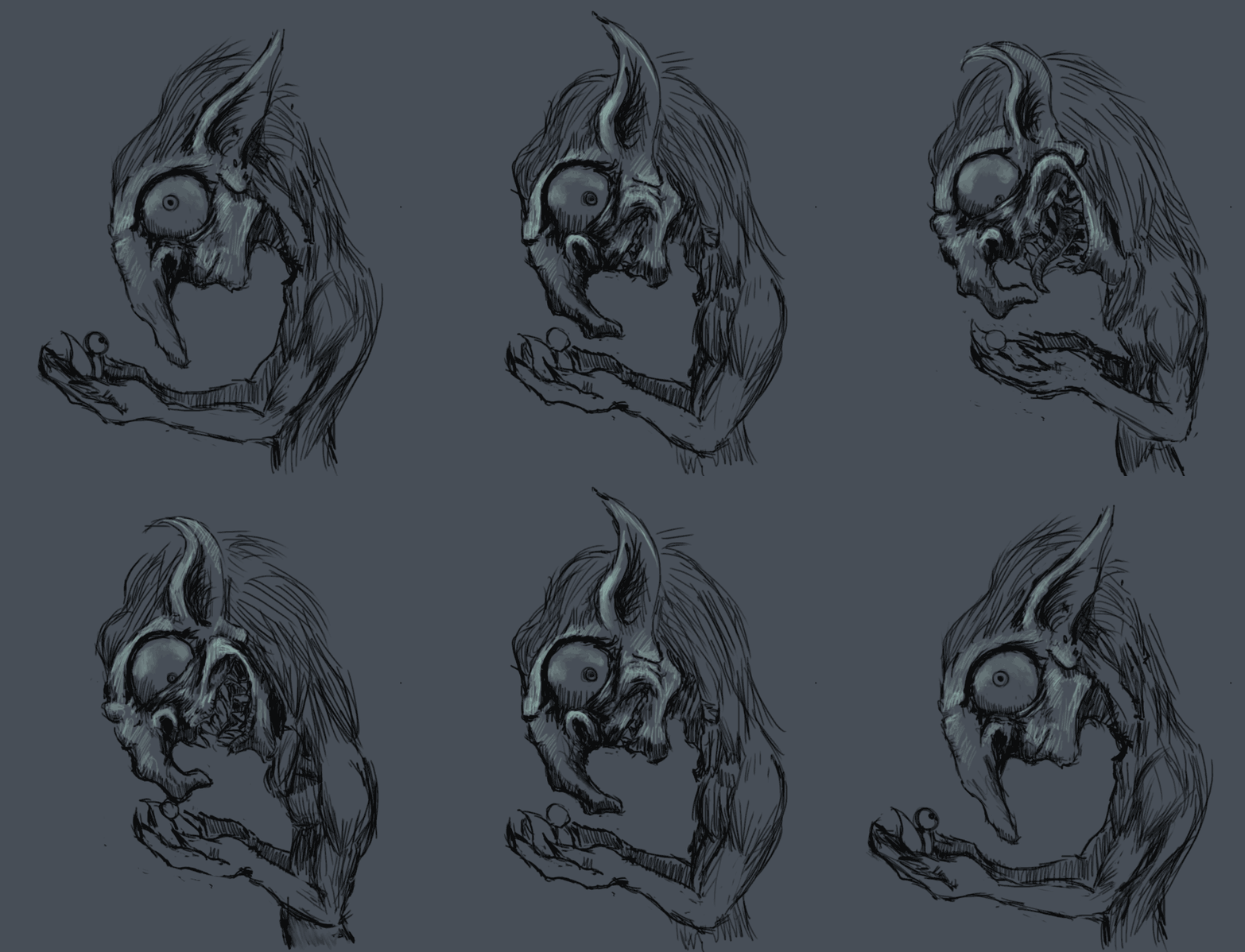
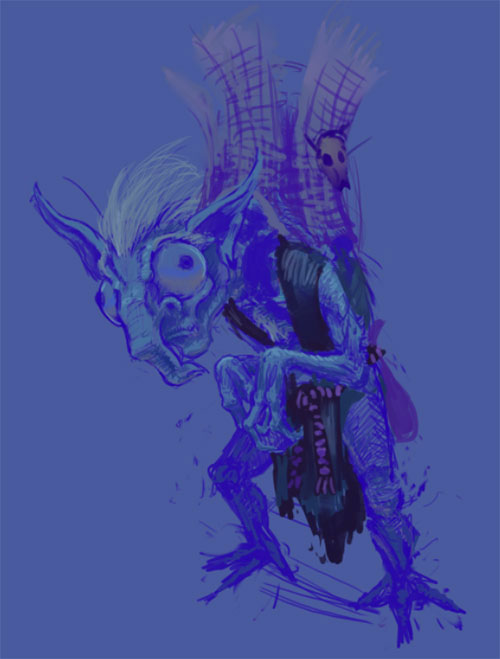
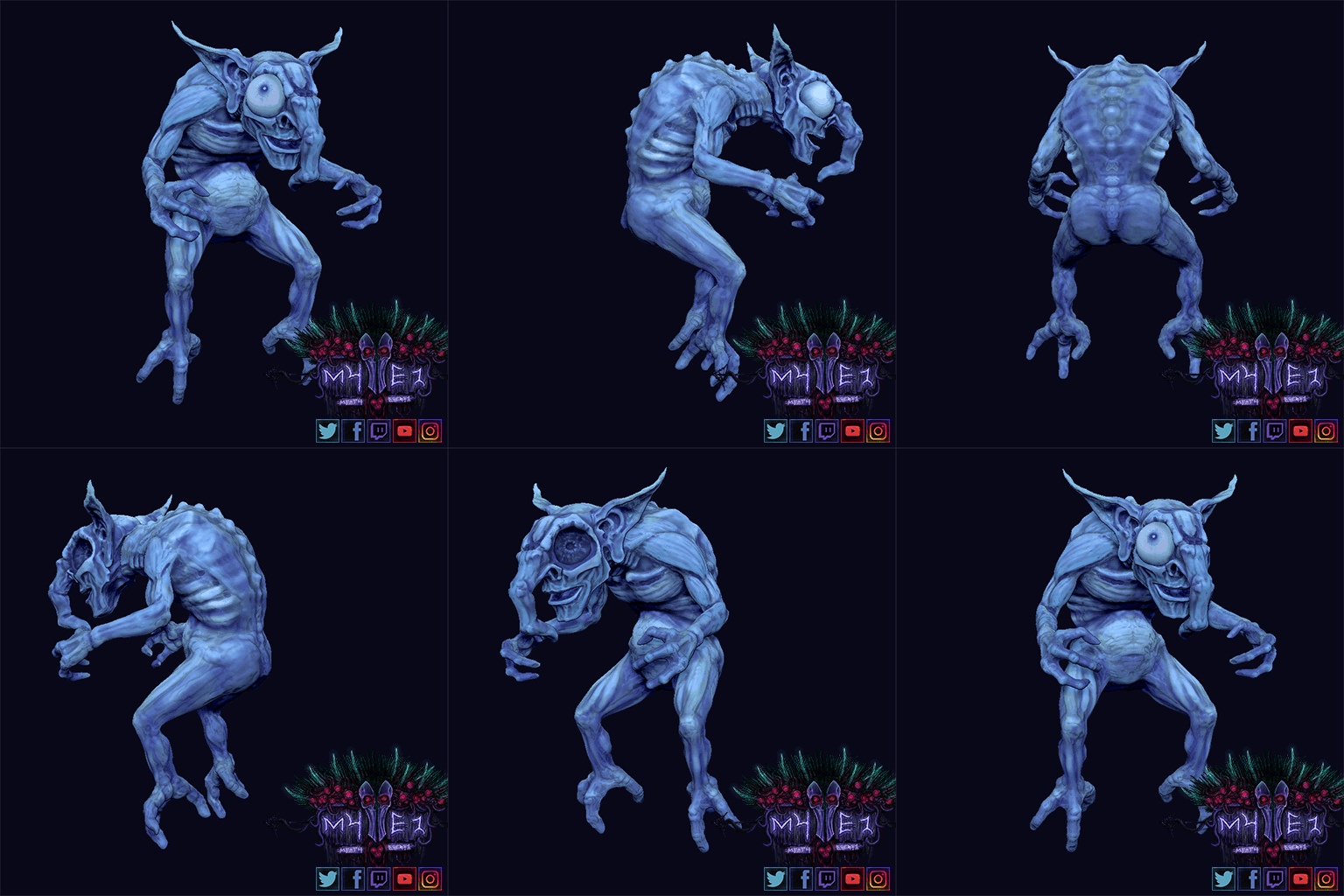
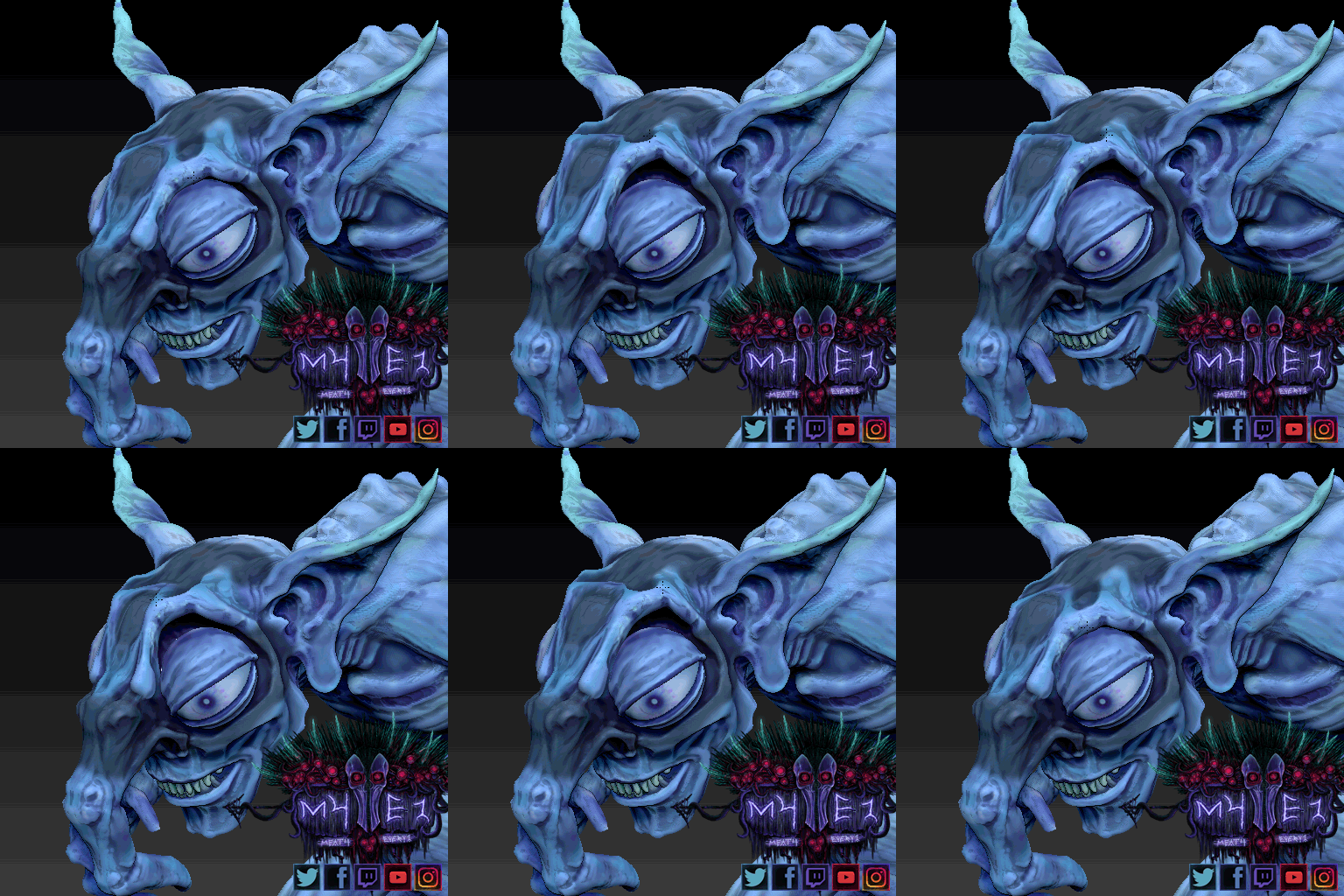
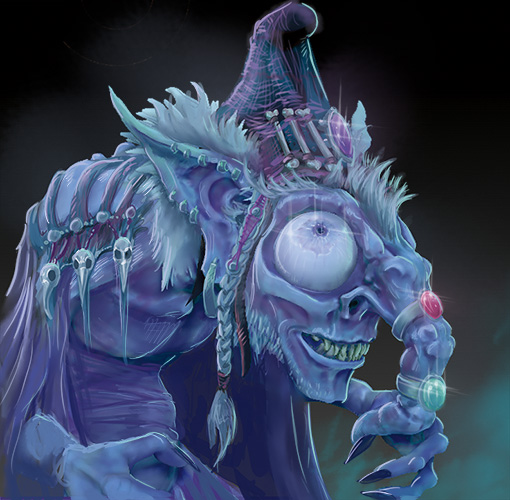
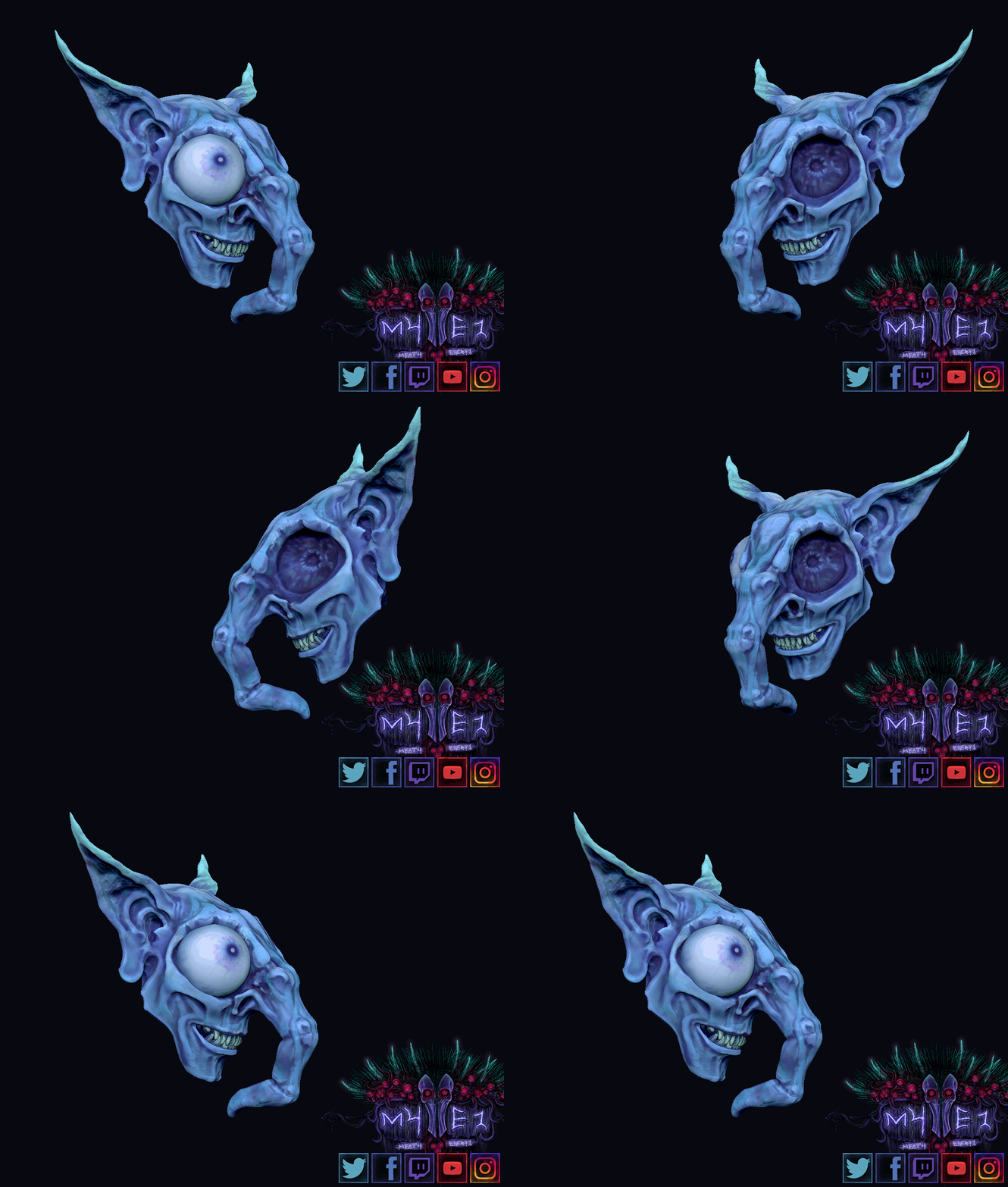
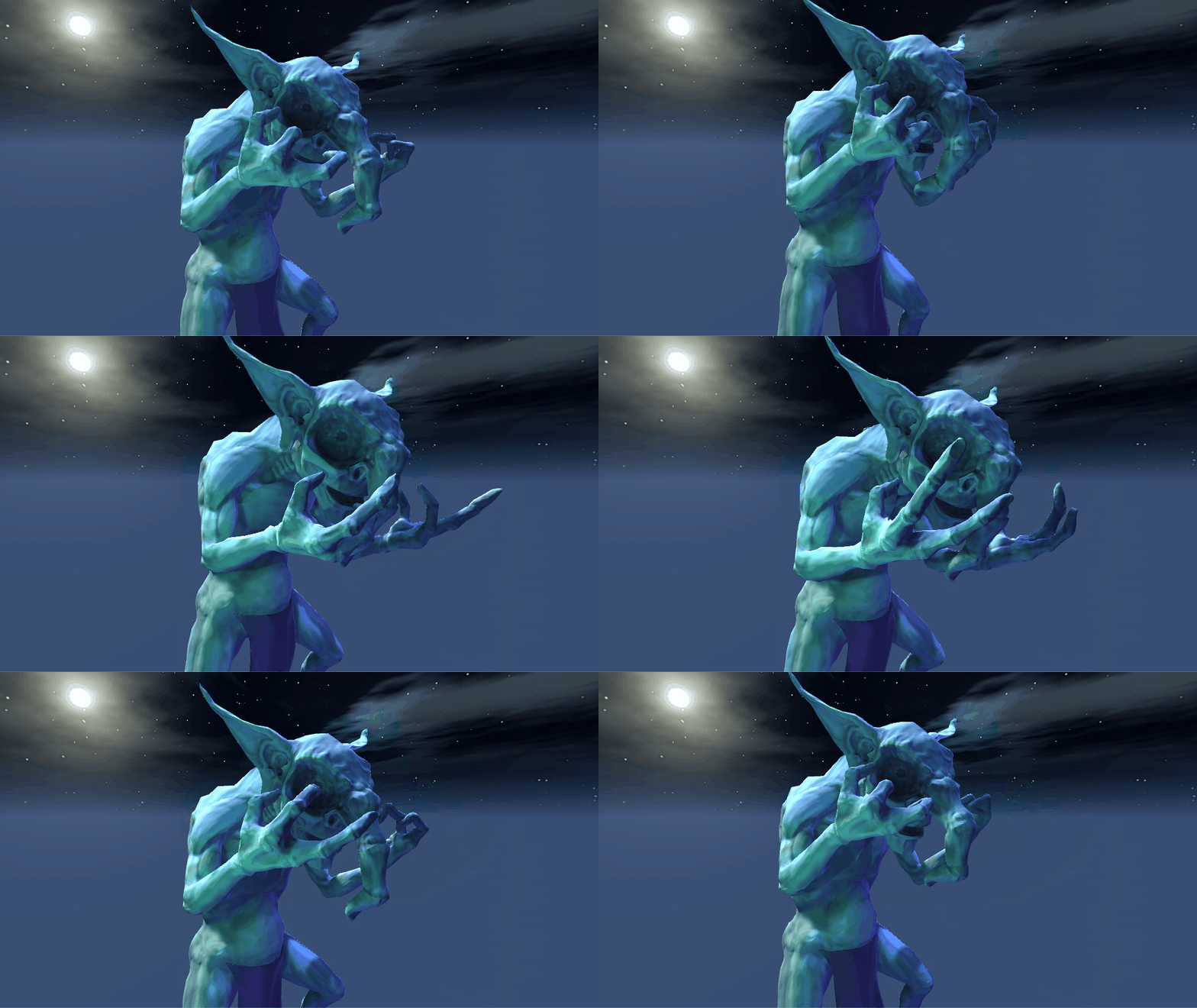
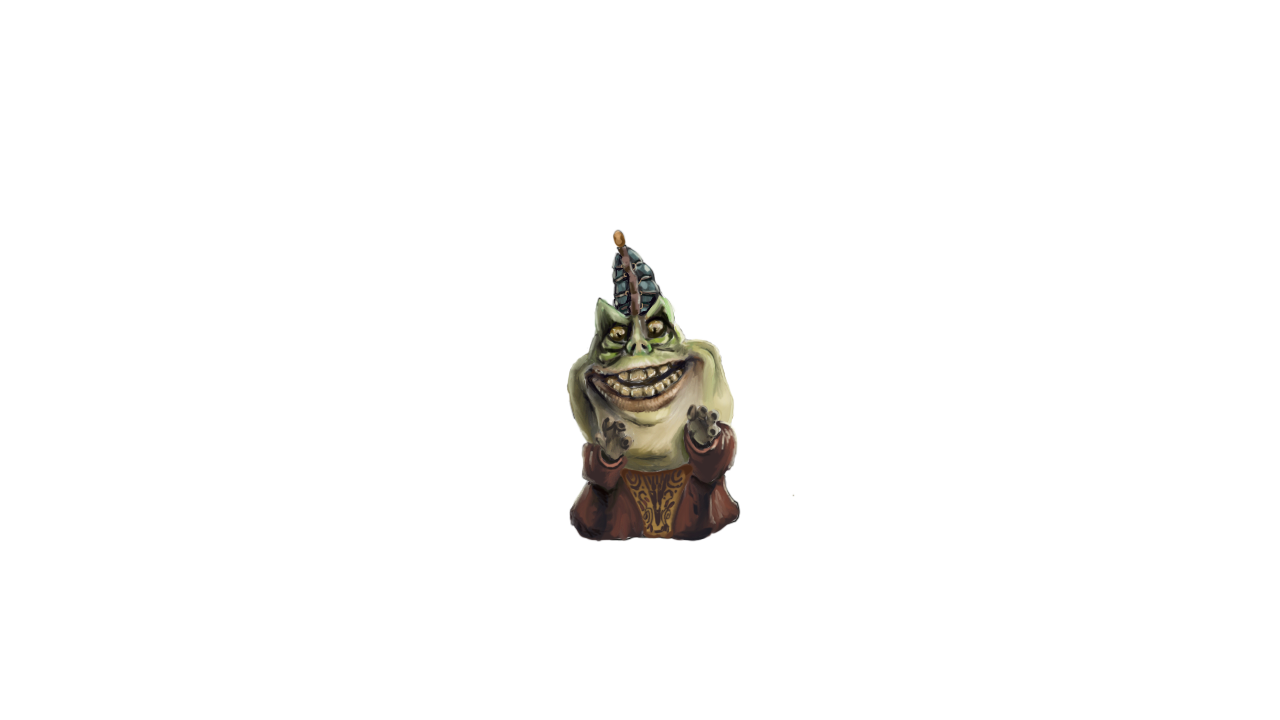
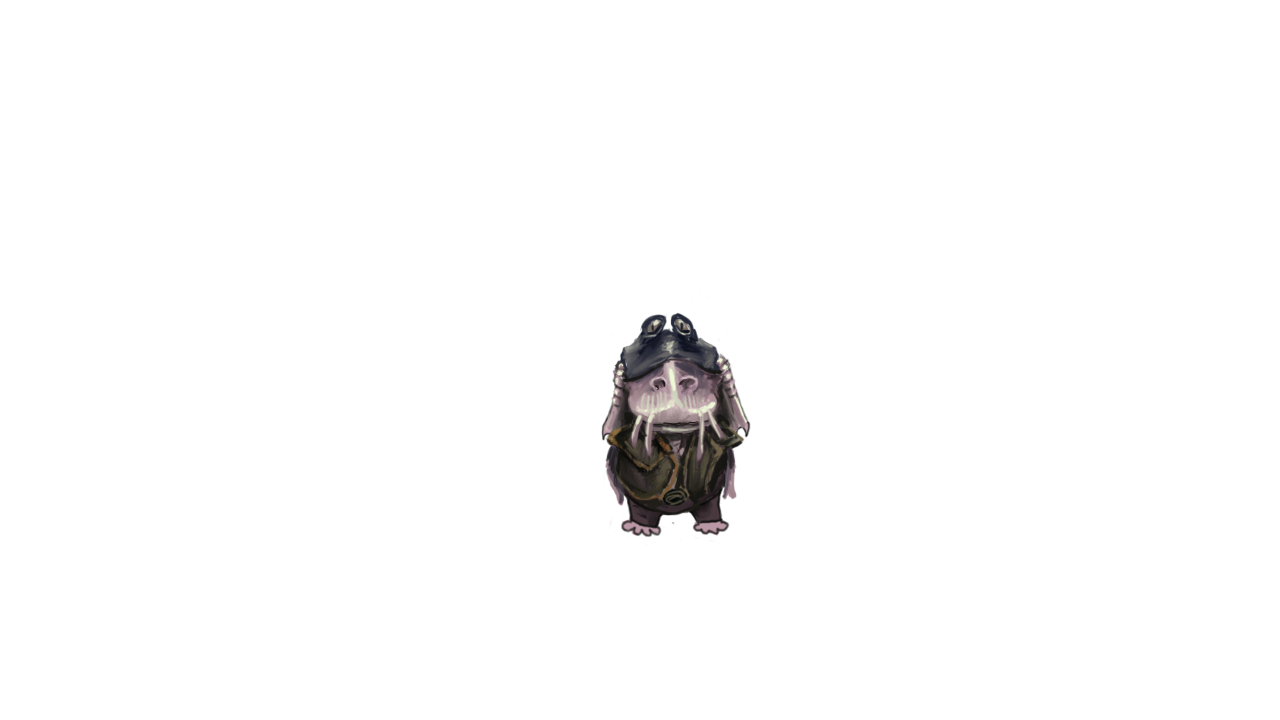
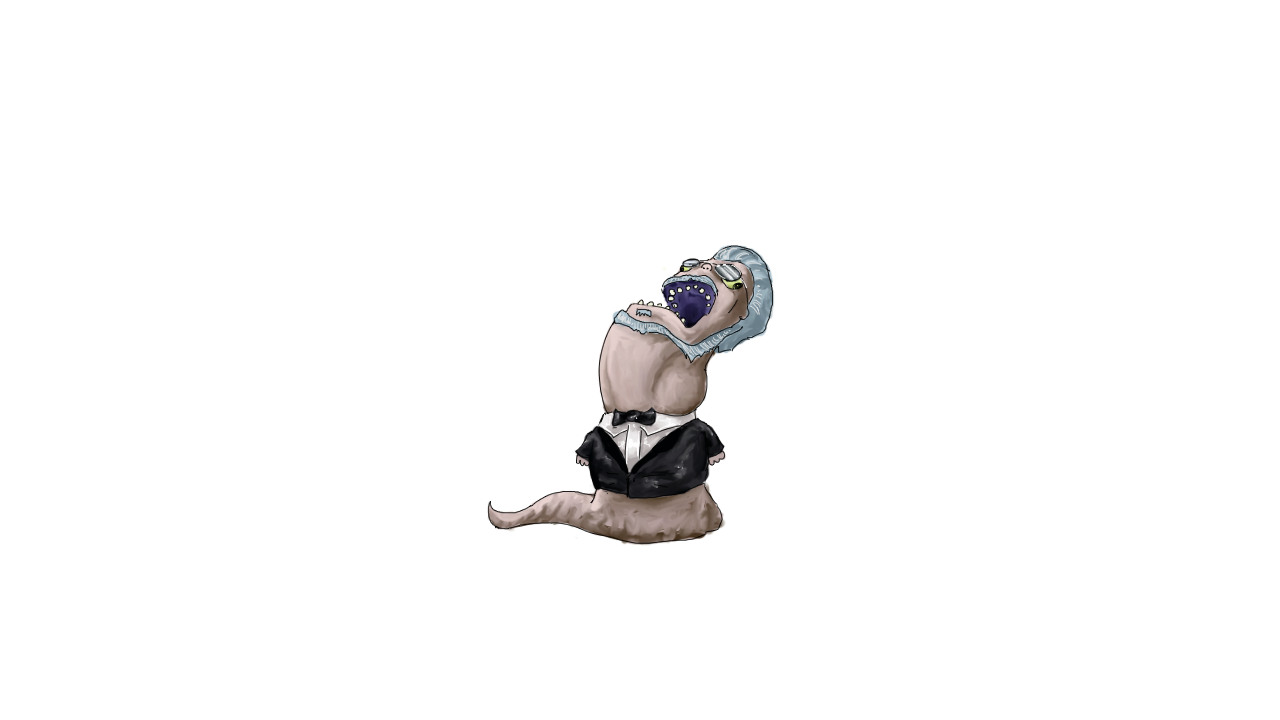
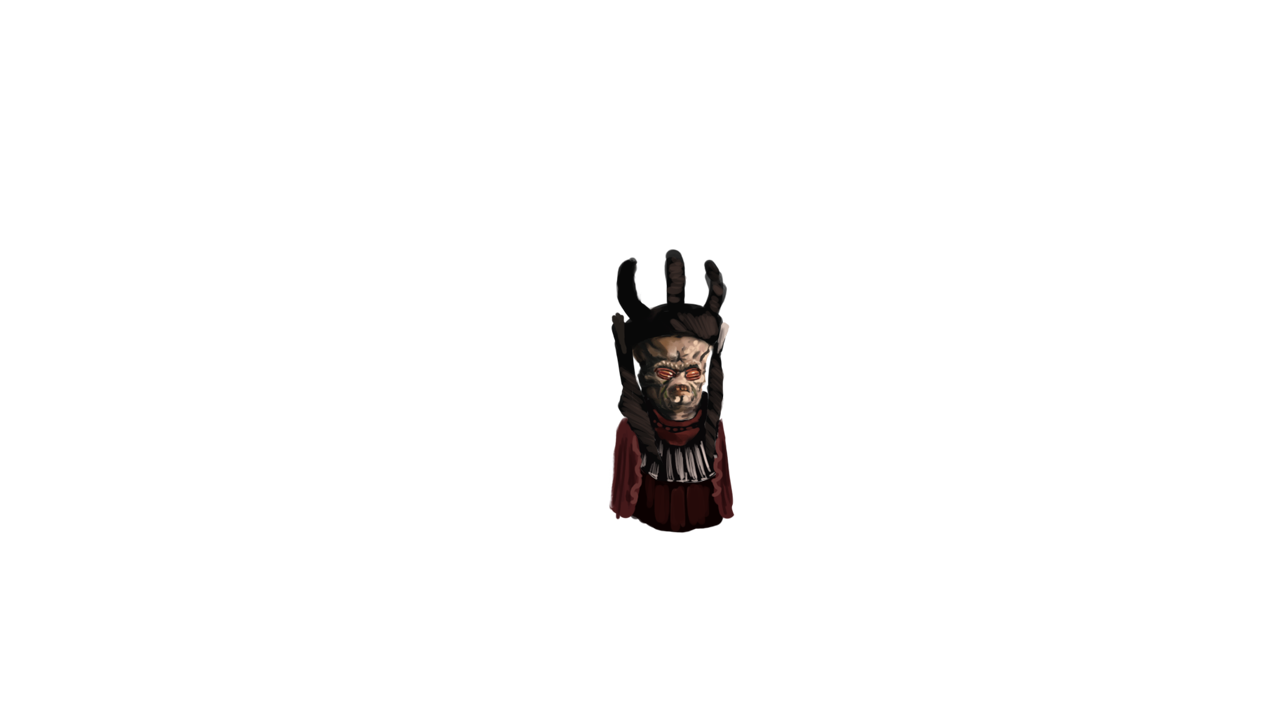
A passion project I hope to leverage in future personal game productions. I started this project with a frame by frame animation because I wanted to have a clear picture of how the face could move. The concept art departed from this original upright standing design but the spirit and expression is still captured. The technical side of this project is inspired by my desire to analyze and implement any information I can gather from the overwatch character production pipeline. I am conforming to the polycount of Junkrat (~17,000) for the base level of detail, and plan to push how stretchy and cartoony his rig can get to the same extreme as the rigs in overwatch. This is an on going project; updates are posted first on instagram and later here.

Barnes Foundation — Unity lighting and interactive project

Keys to the Collection Lighting

2016

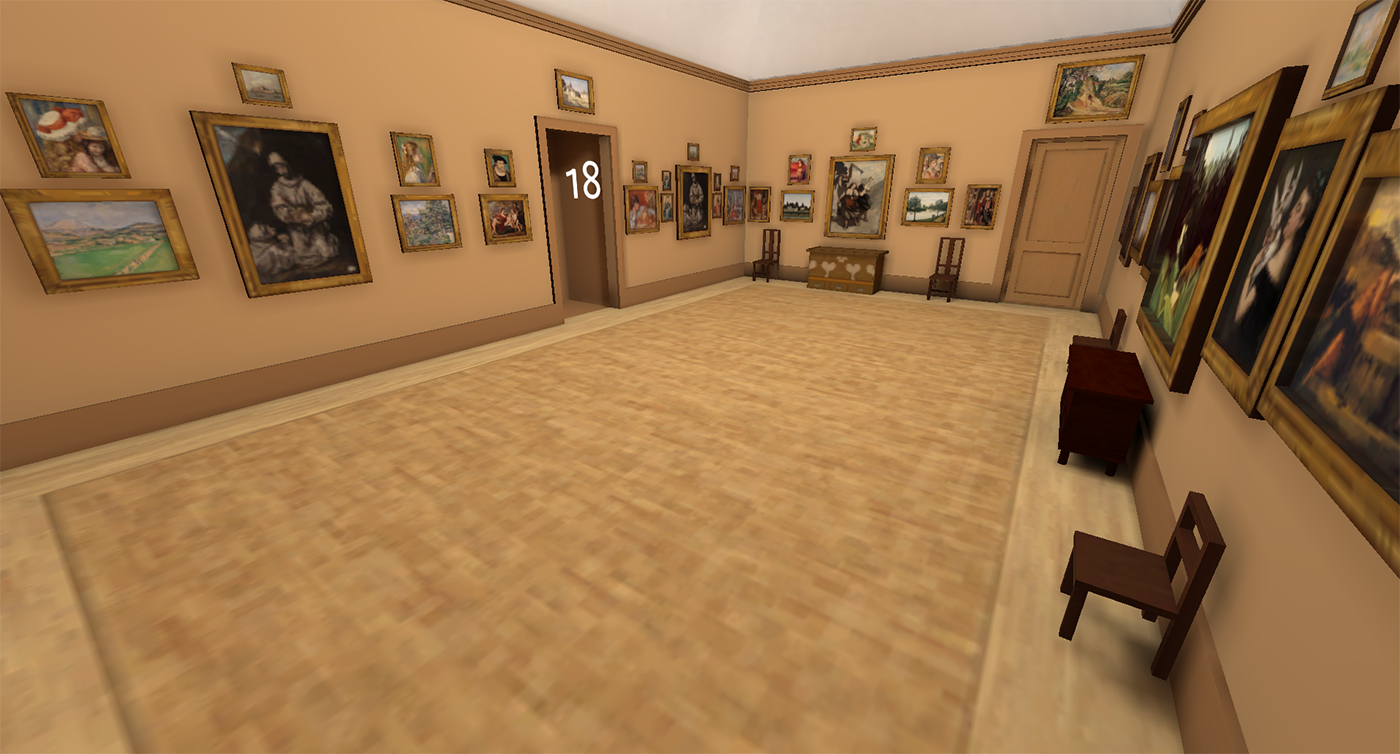
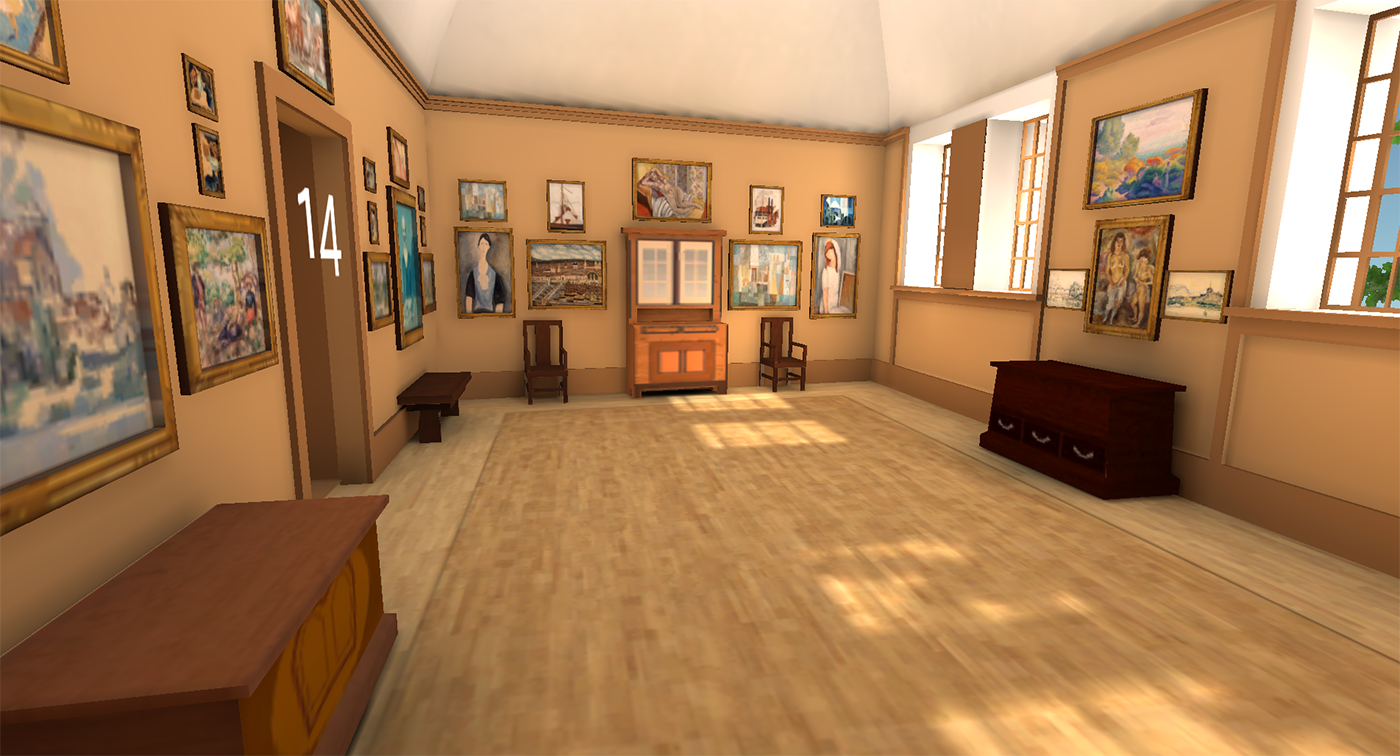
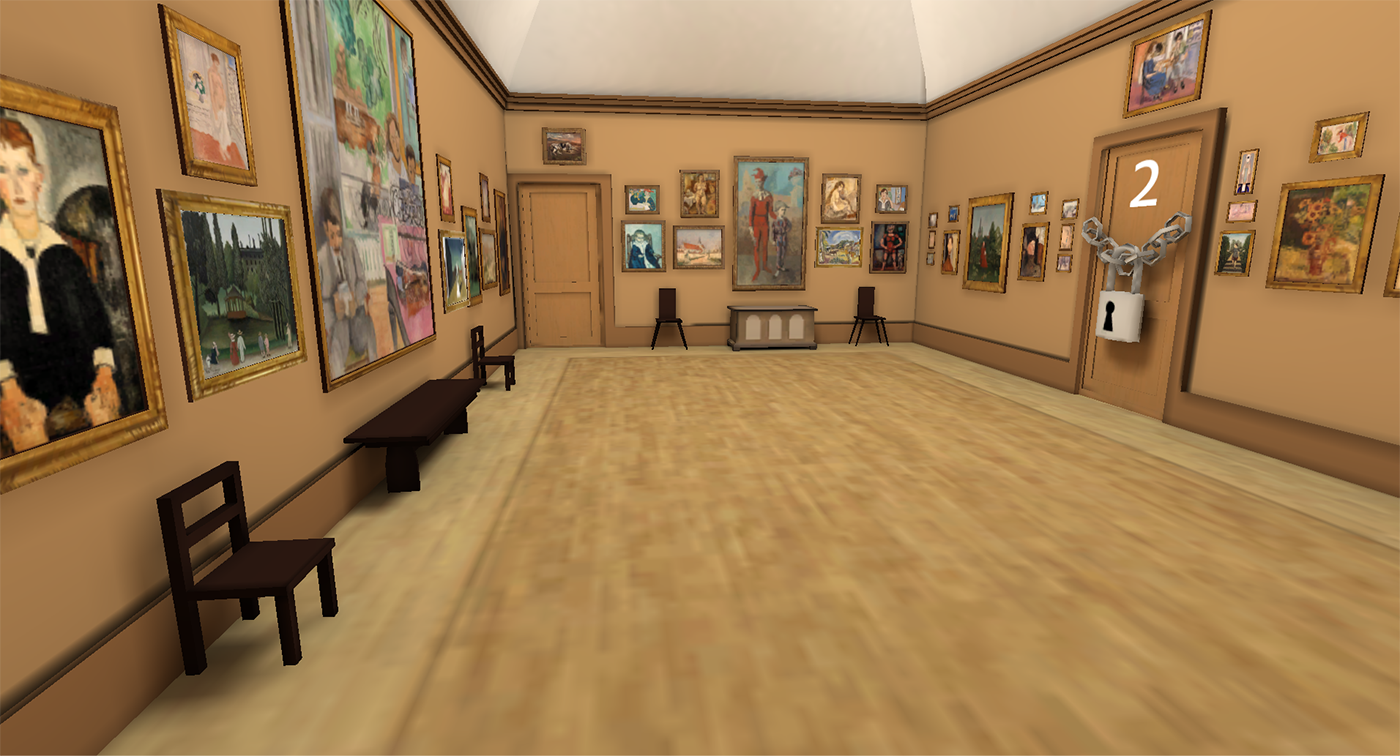
Contract work I completed under Spech.Tech for the Barnes Foundation’s mobile app Keys to the Collection. My responsibilities included but were not limited to upgrading their Unity 4 lighting to the new Unity 5 system, fixing various compatibility issues, improving lighting visual quality, improving the technical quality of assets, and maintaining low memory use.

Derp Wars — game project technical art

Derp Wars

2016

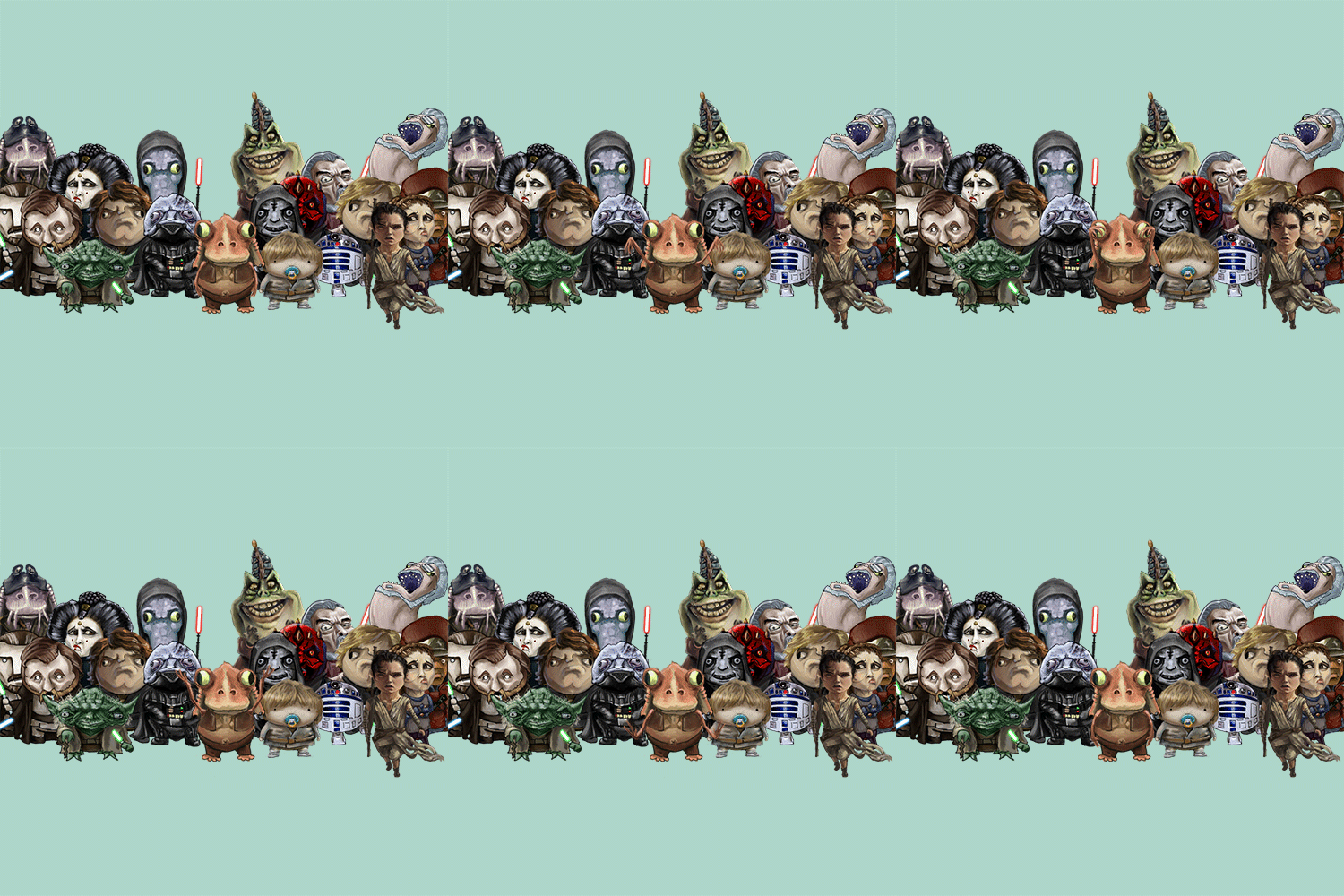
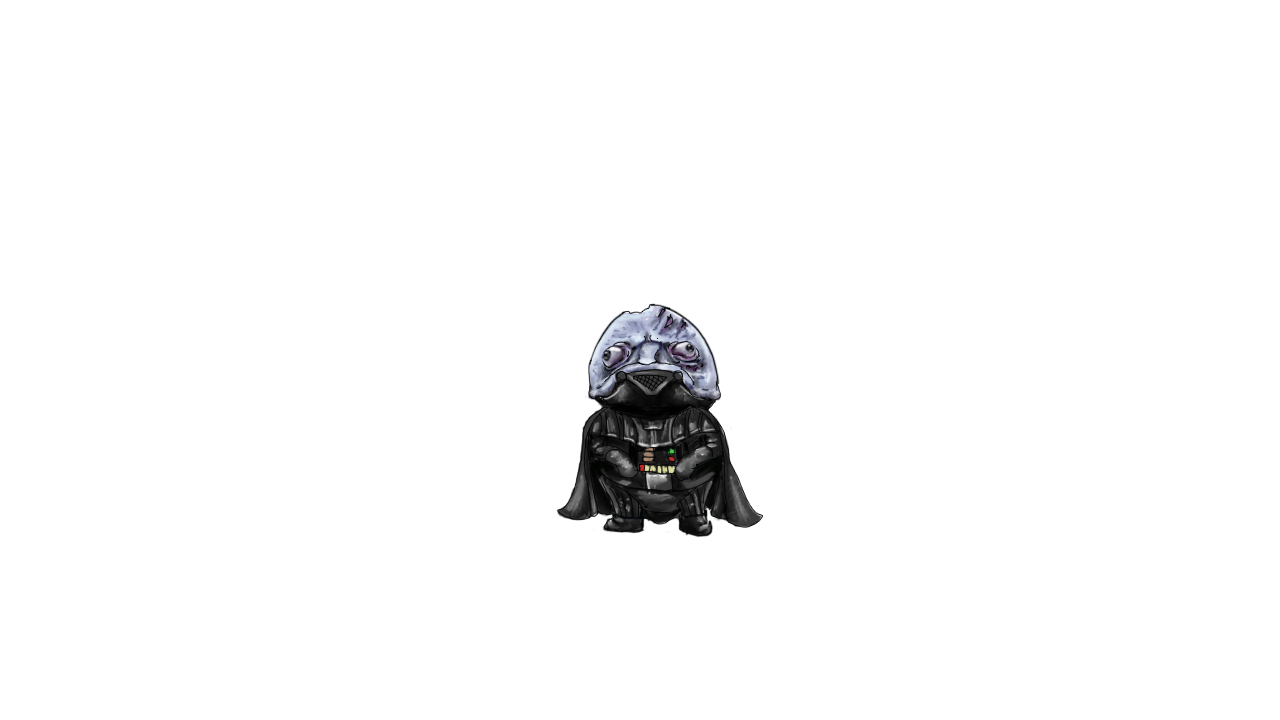
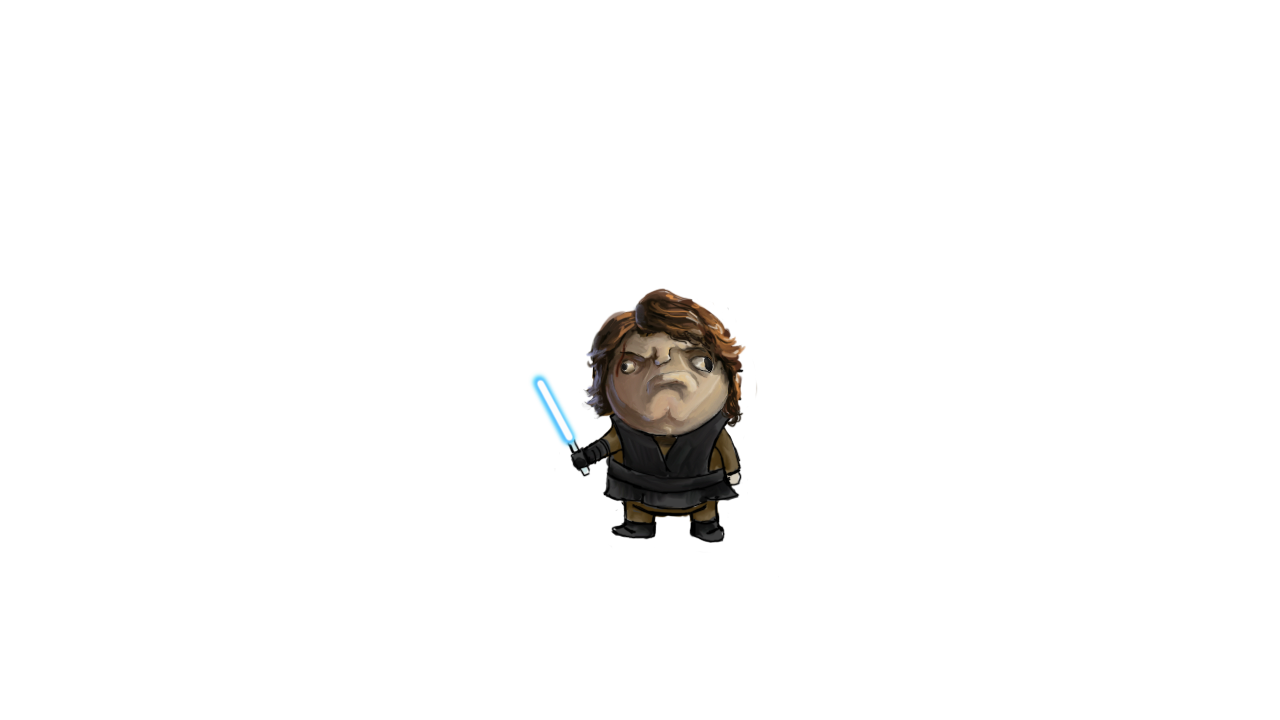
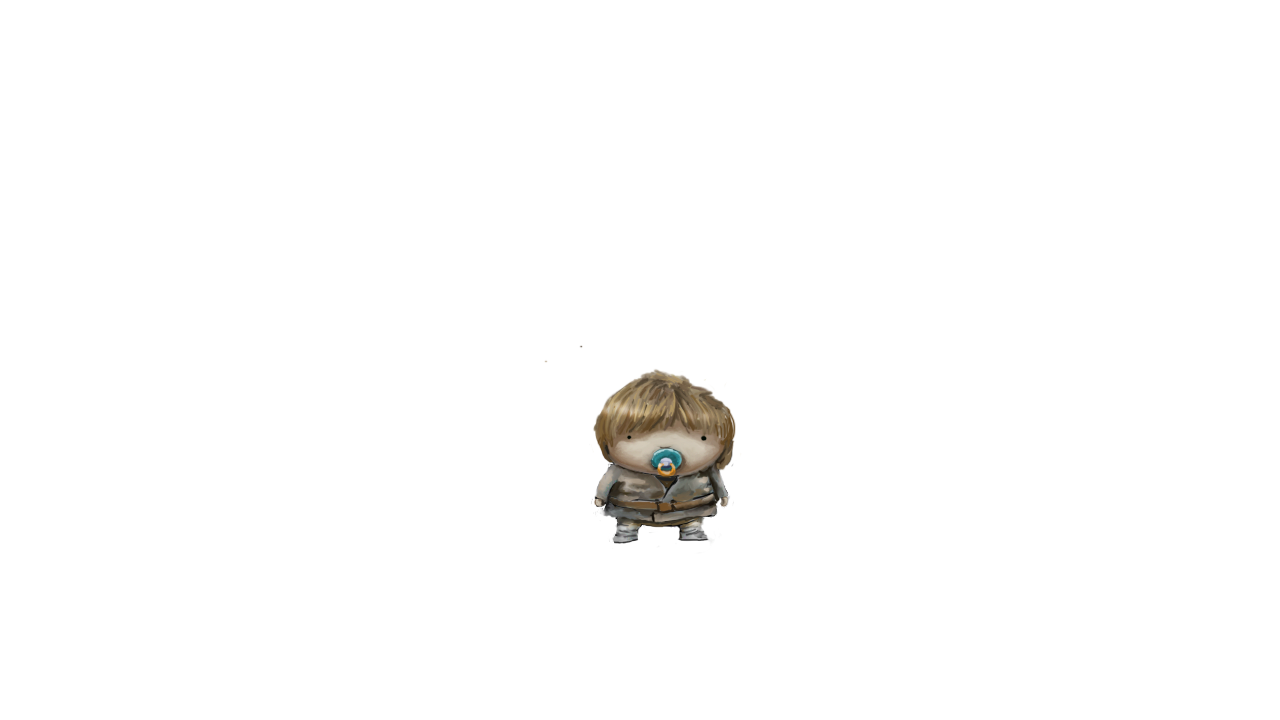
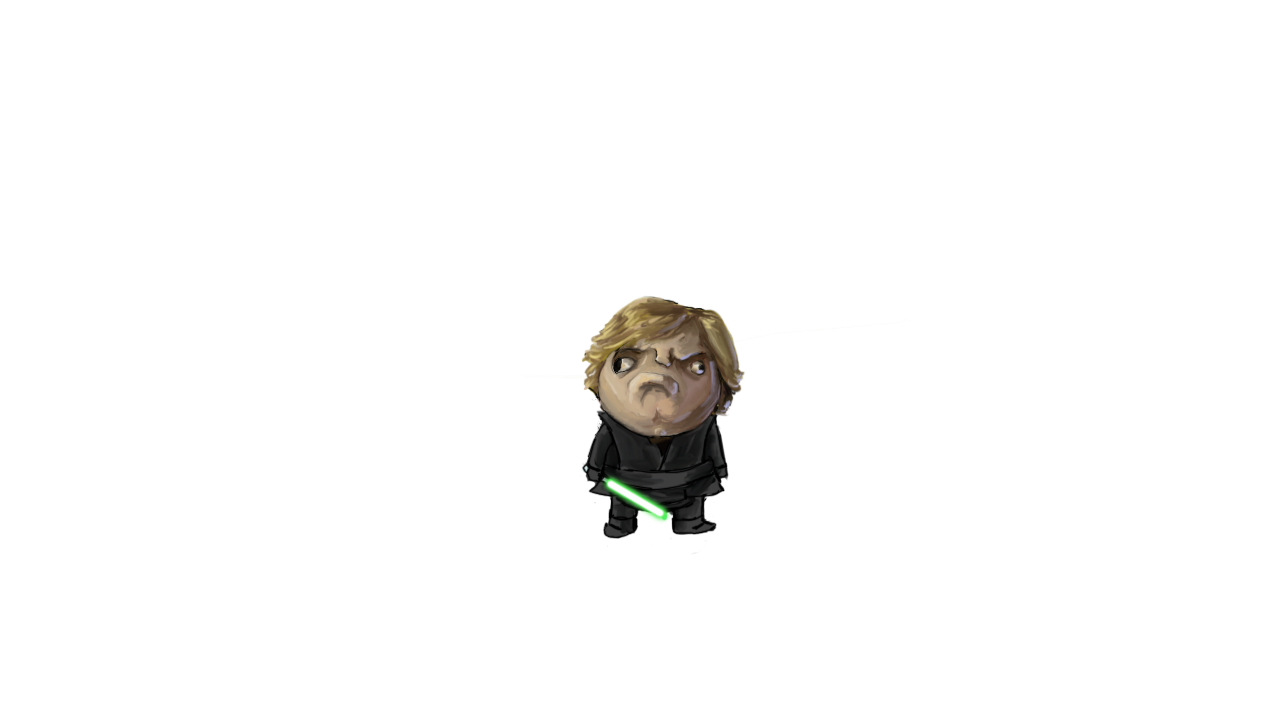
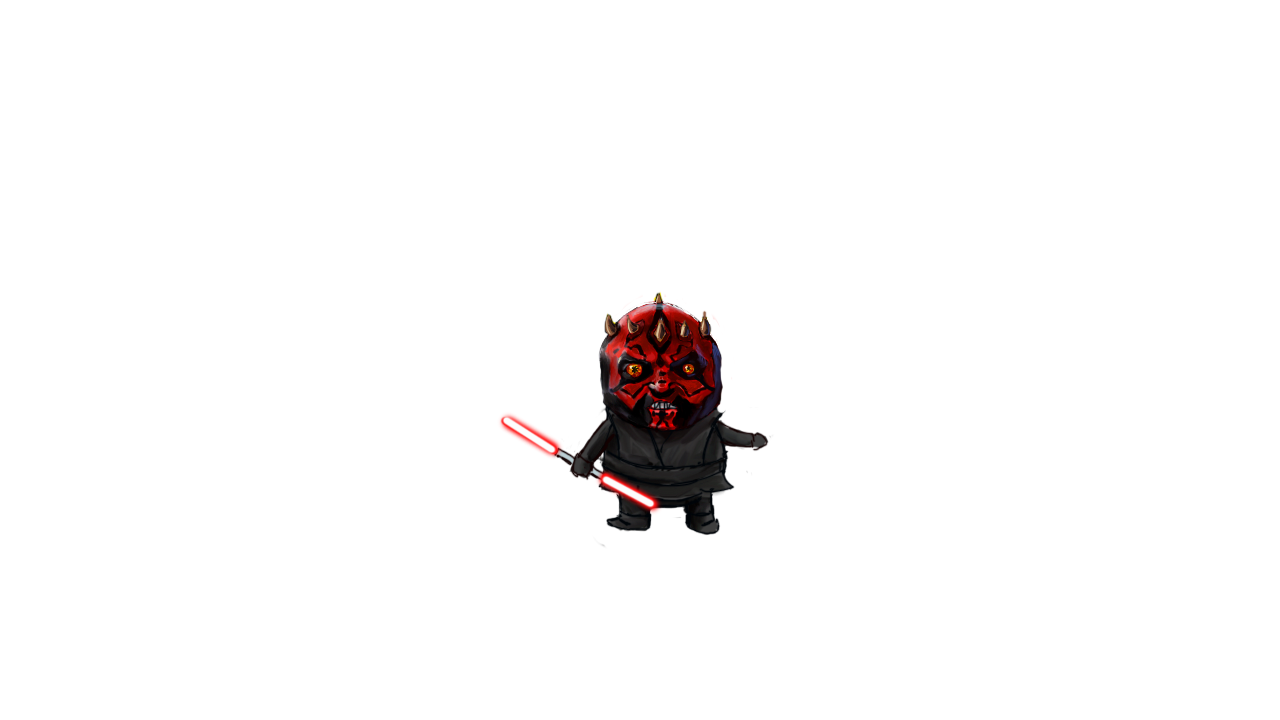
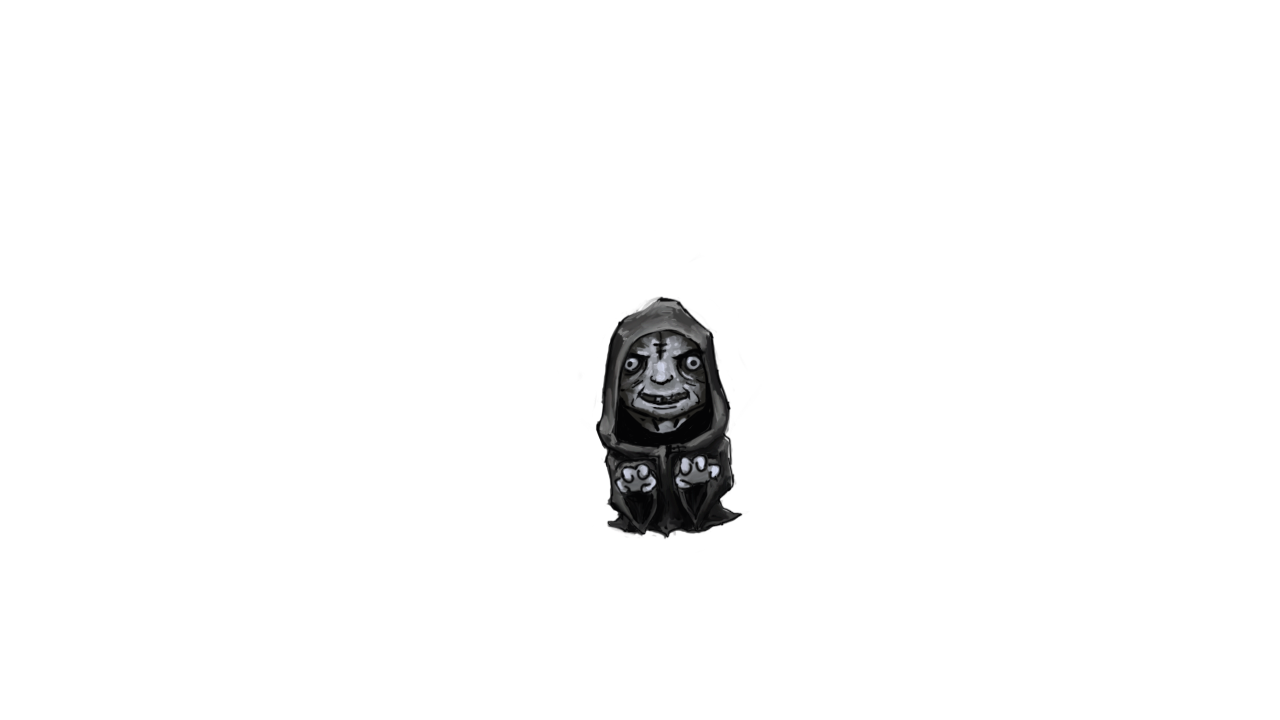
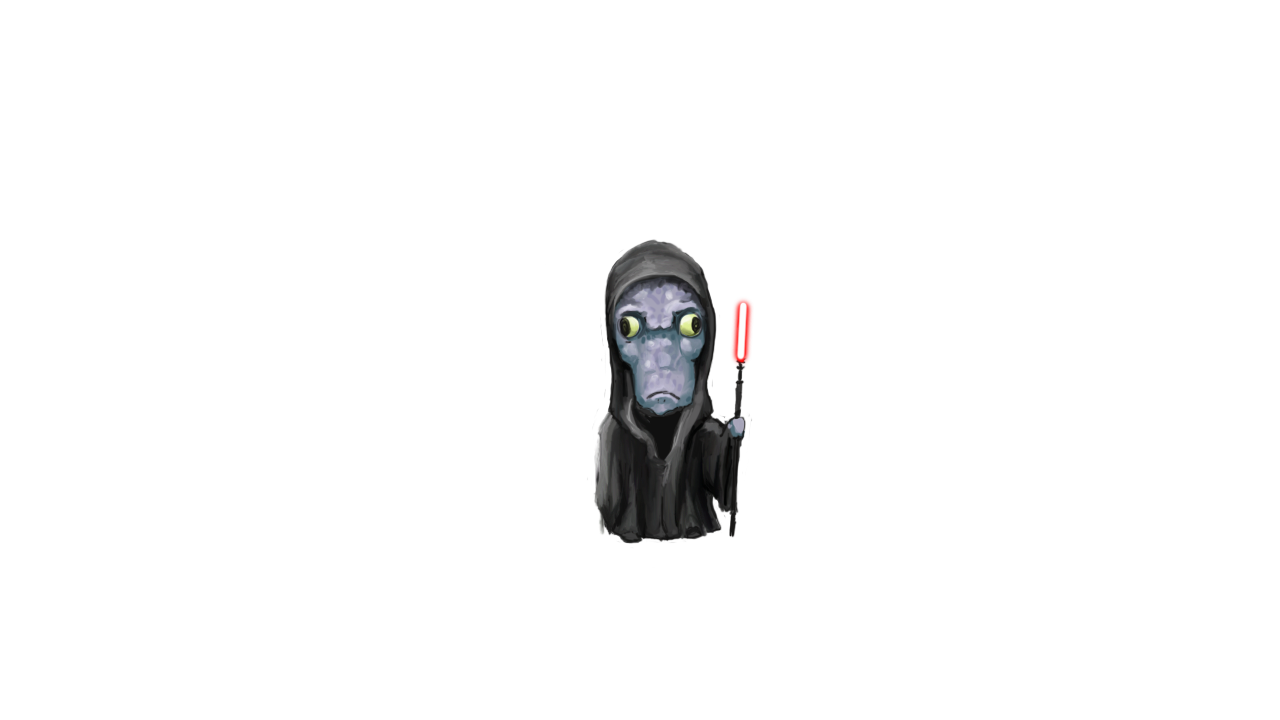
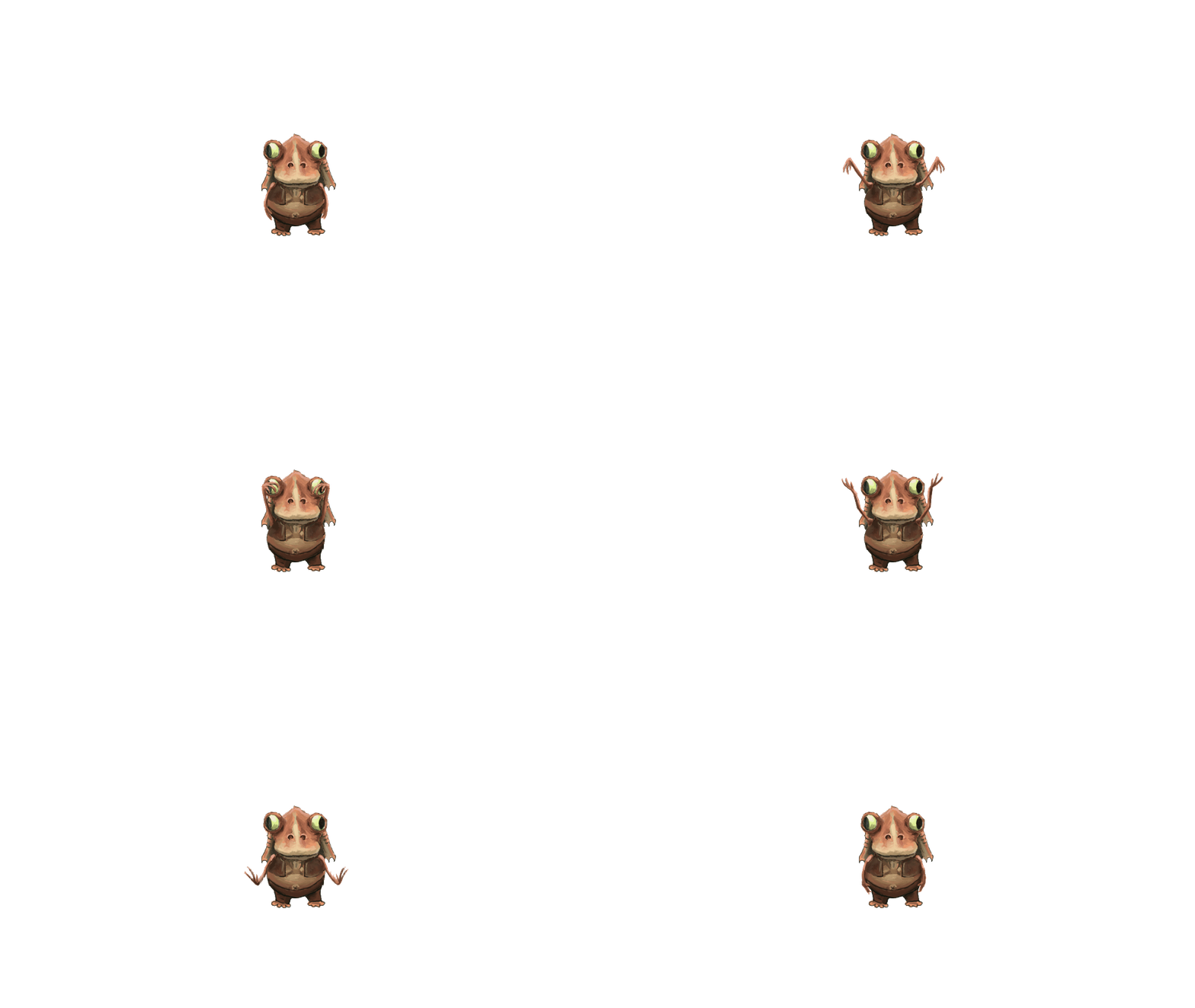
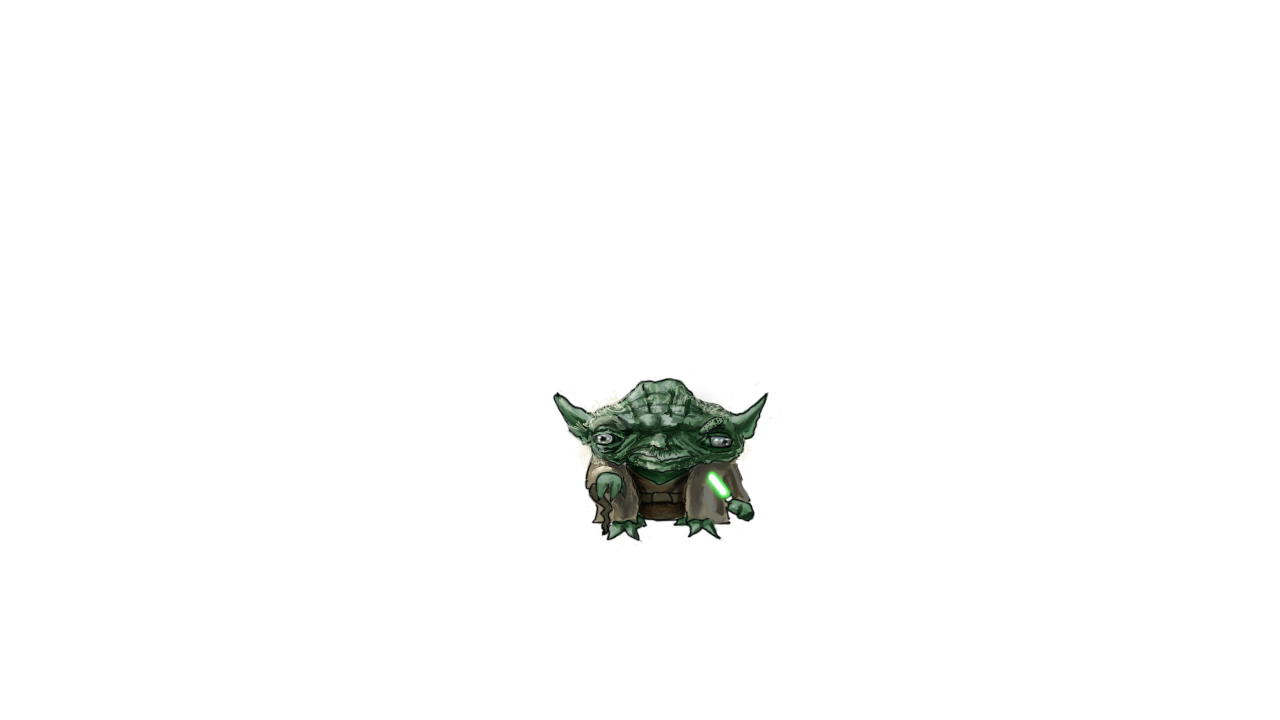
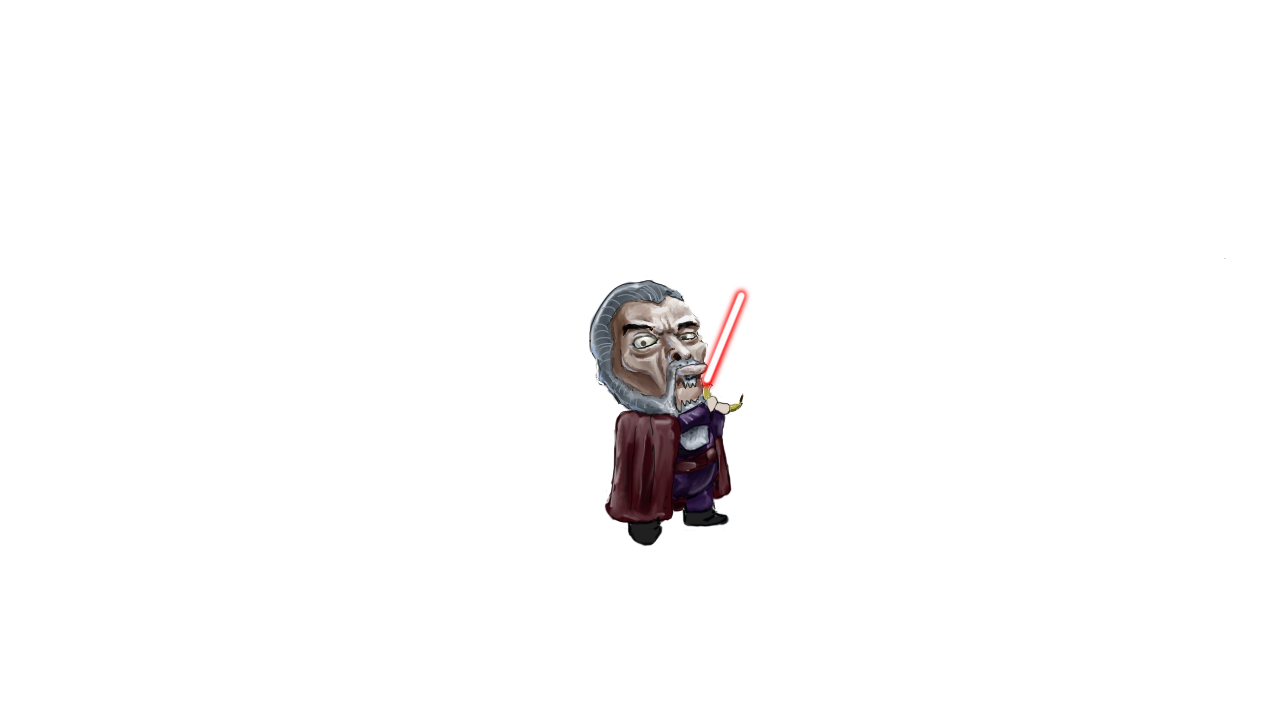
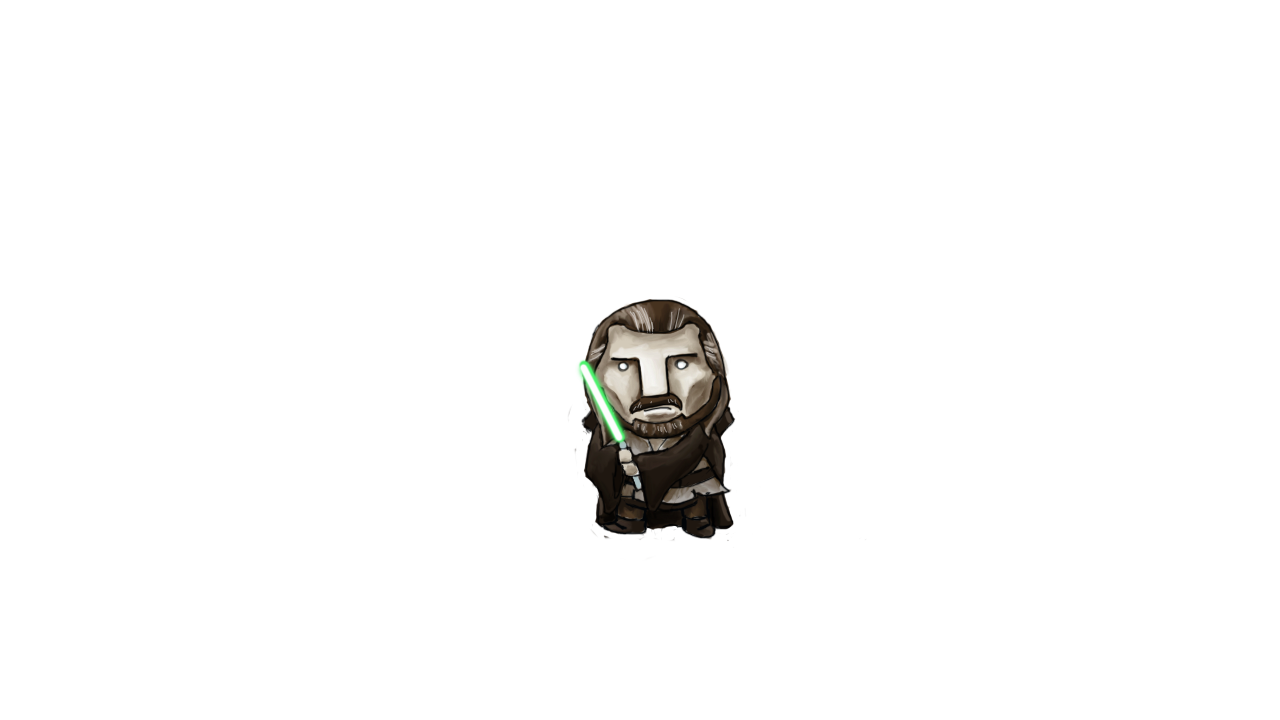
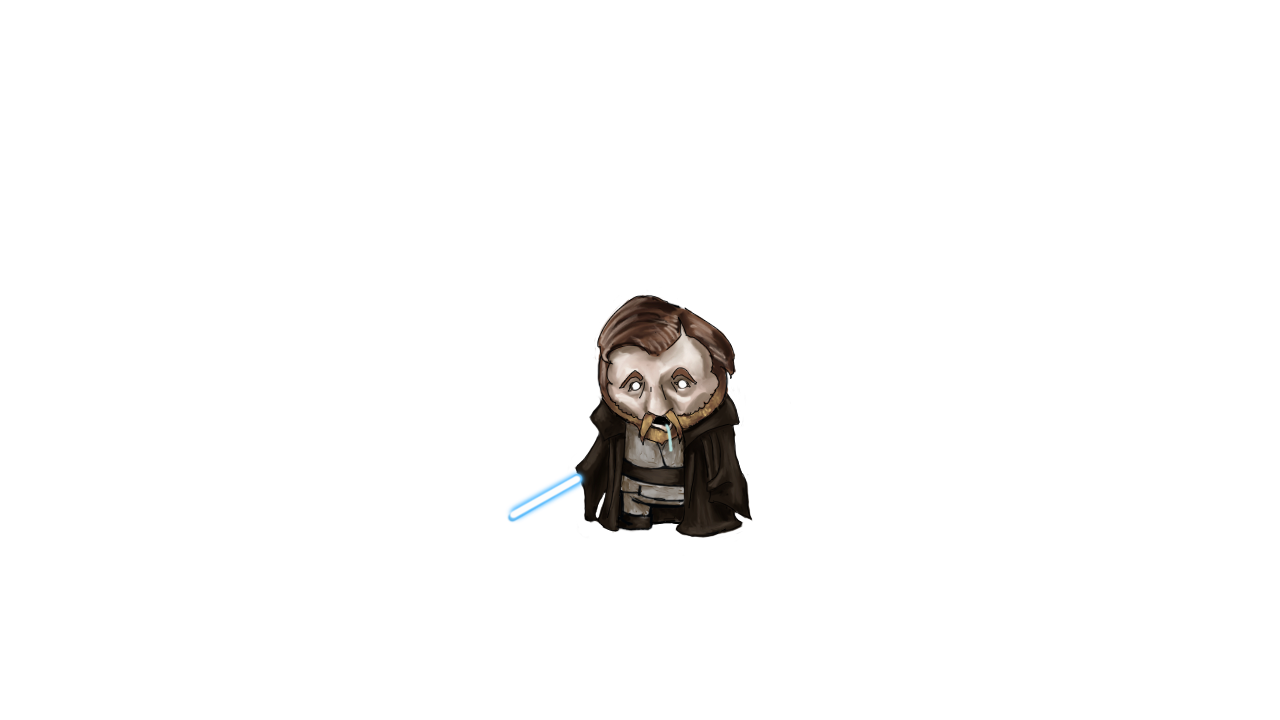
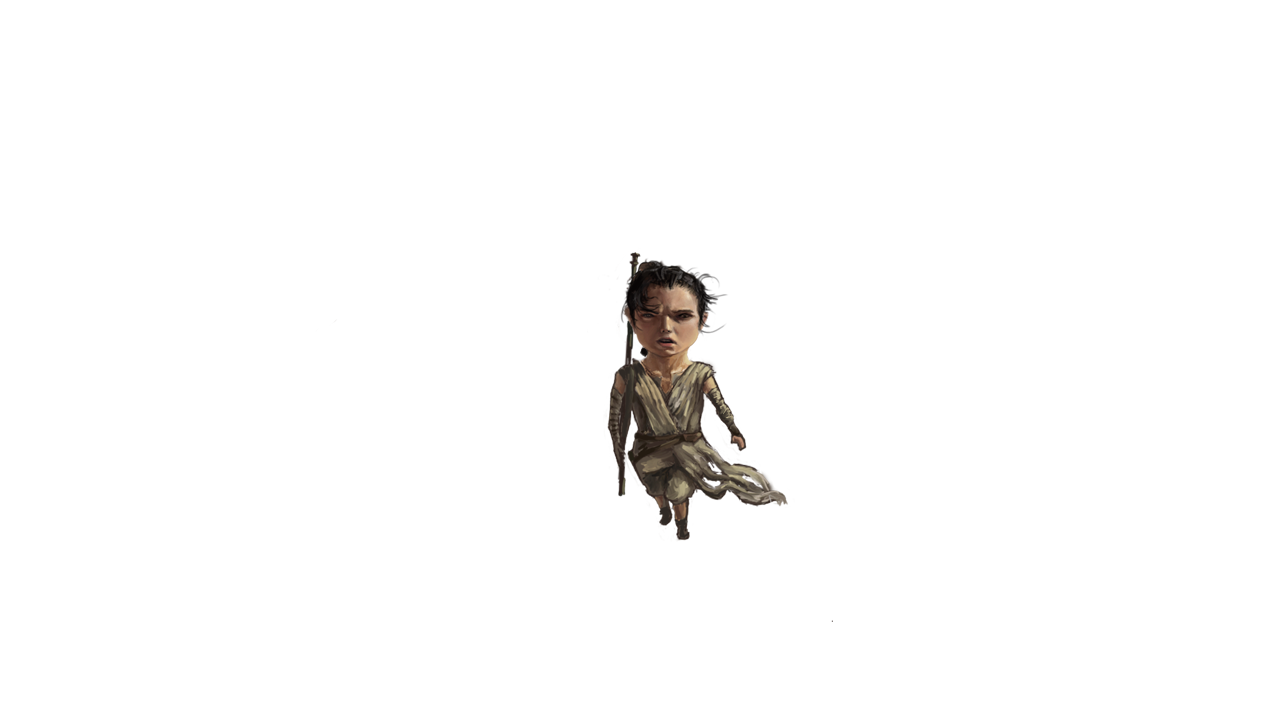
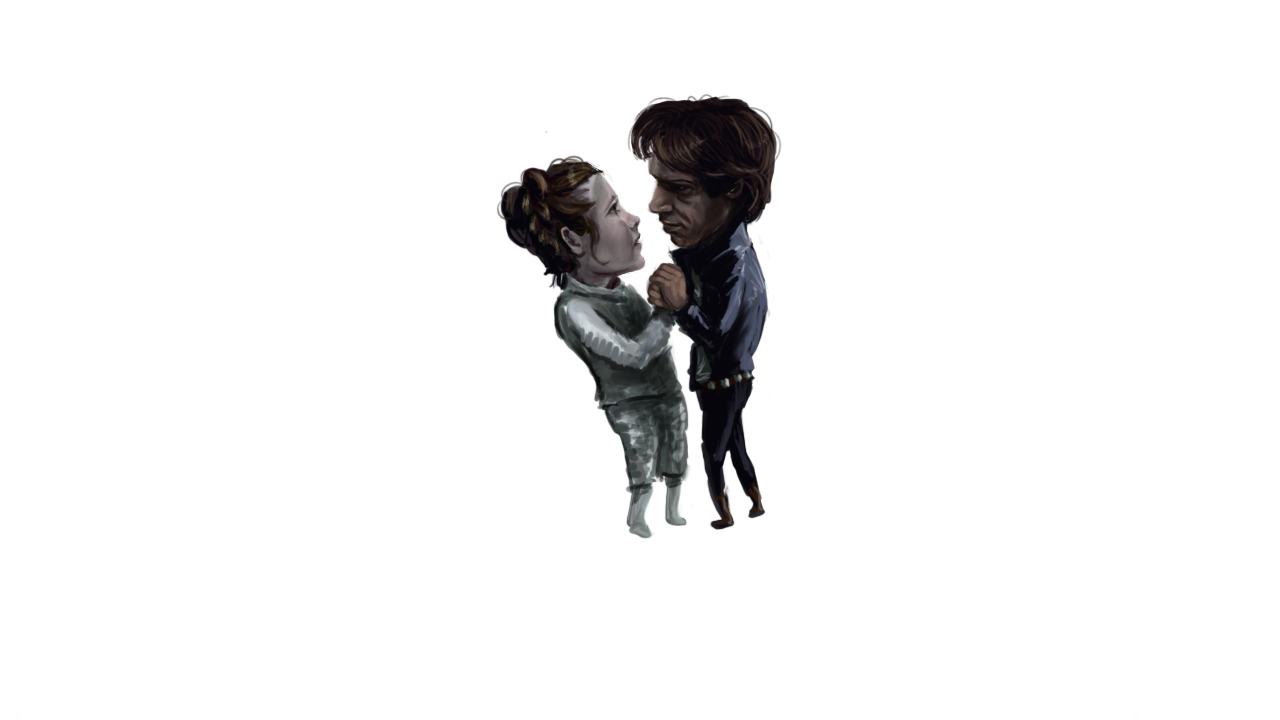
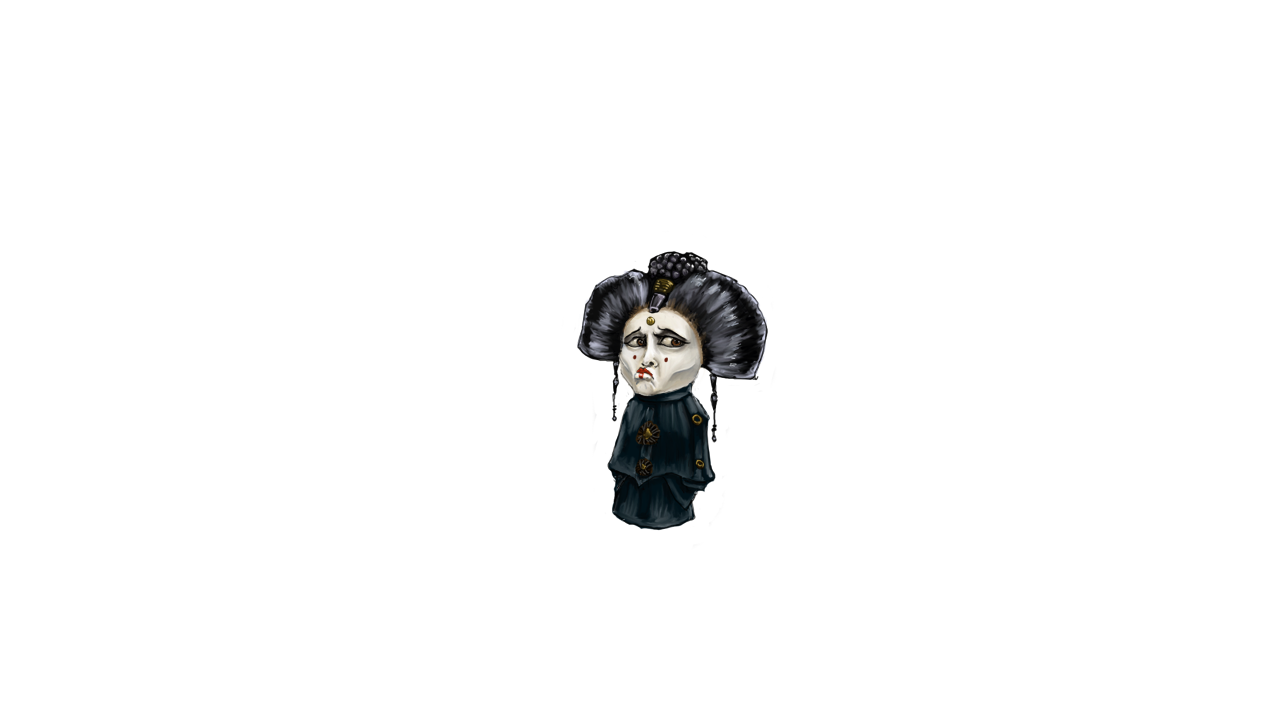
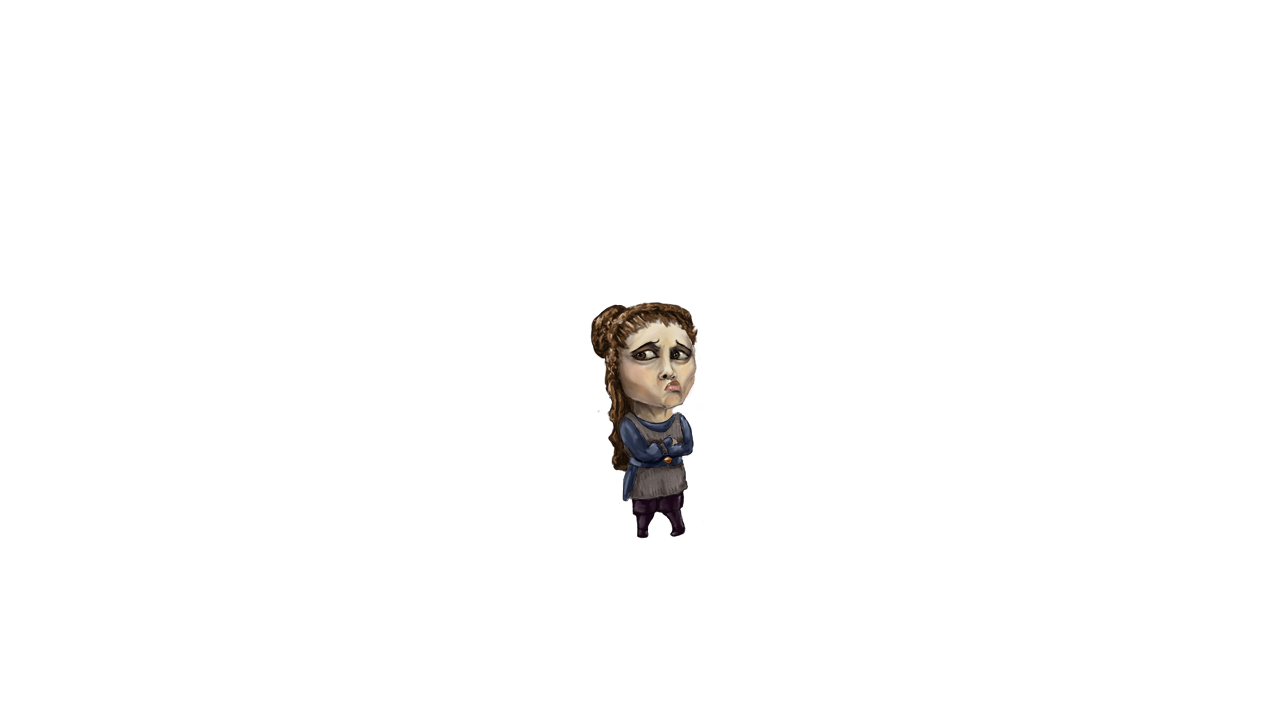
Derp Wars is an opinion piece aimed at critiquing Jar Jar’s place in the Star Wars prequels by examining the Darth Jar Jar fan theory. I created transformative parody art to illustrate this narrative. It was an intense but short challenge of my ability to generate art quickly, write a cohesive argument, and bring these elements together with limited animations for a final video presentation.

Dead End thesis — player emotion and game design research

Dead End

2012 - 2013

Drexel University Research Day 2013: Dean’s Award

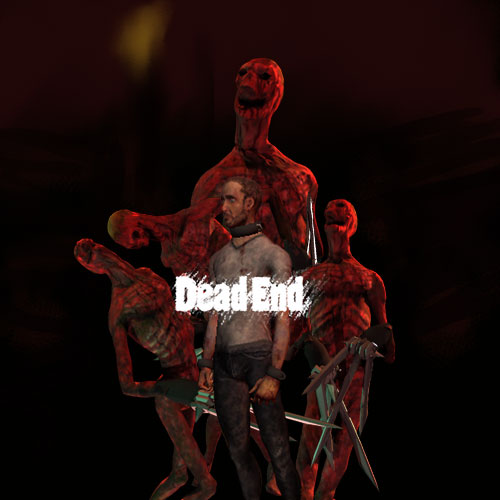
The project portion of my Master's Thesis at Drexel University, Dead End was a ~15 minute survival horror game, developed over the course of 4 Months. All aspects of this game, code, art, etc. were created by myself during this period. The one exception to this was the in engine video recording plugin AVPRO Movie Capture generously donated by RenderHeads.

The purpose of my thesis was to test two hypothesis. The first, that the externally displayed emotions of a player character (PC) in a third person perspective horror game would influence the emotional state of the player during the course of gameplay. The second, that this emotional shift would impact player performance. 40 students at Drexel University were tested. They were split into 2 groups. In one group the PC was animated to express fear. The other group used a PC animated to express confidence. The results were collected through metrics culled directly from gameplay, and post play session interviews. The metrics, compared between the two groups showed no statistically significant difference in performance between the two groups. The interviews however showed that players viewed the experience and their performance differently between the two groups, the fear group favoring negative accounts and language and the confident group favoring positive accounts and language.

Bugz — character and animation project

Bug Swarm Simulation

2013

The creation of this project was documented in this development blog.

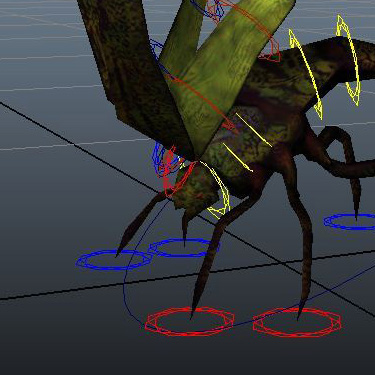
This project was created during my time in graduate school at drexel. The purpose was to explore using simple crowd AI and pathfinding in place of generic particle effect animations to create a bug swarm. I created the effects for a theoretical 3rd person perspective game where the player could transform into a swarm of bugs. Bugs path to a point 10 units forward on the player character’s Z axis. Bugs are physics enabled allowing them to collide, climb over, and push other bugs.

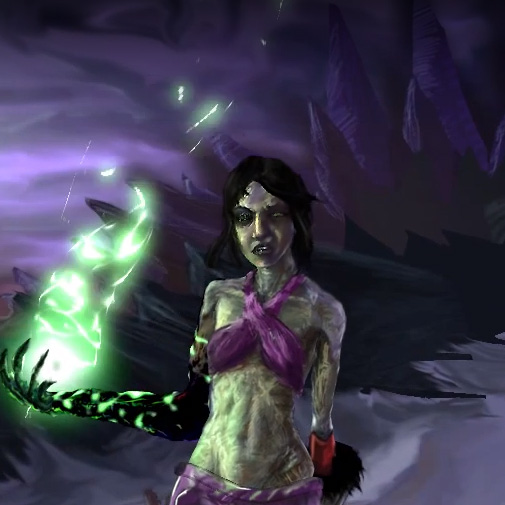
Necromancer — character technical art project

Necromancer

2013

The creation of this project was documented in this development blog.

I developed this project simultaneously with my Master's Thesis, Dead End. It was created over the course of a ten week term as the final submission for my graduate compositing course at Drexel University. A layered, fully realized, Photoshop painting was split and projected onto relatively simple geometry to produce the scene and character. I modeled this geometry to match the images, then rigged and animated the character. The animated scene in maya was imported and assembled in Nuke for a final render. At some point I want to take another stab at this kind of composition in a game engine.

Dinosaur character — technical art and animation

Operation Dino

2012

The creation of this project was documented in this development blog.

A two term graduate project at Drexel University produced with the direction from The Academy of Natural Sciences, and tested on site. I worked on early art direction, and later on in the development process created every aspect of the main character "The Master Paleontologist".

Copyright Ian Woskey 2026